
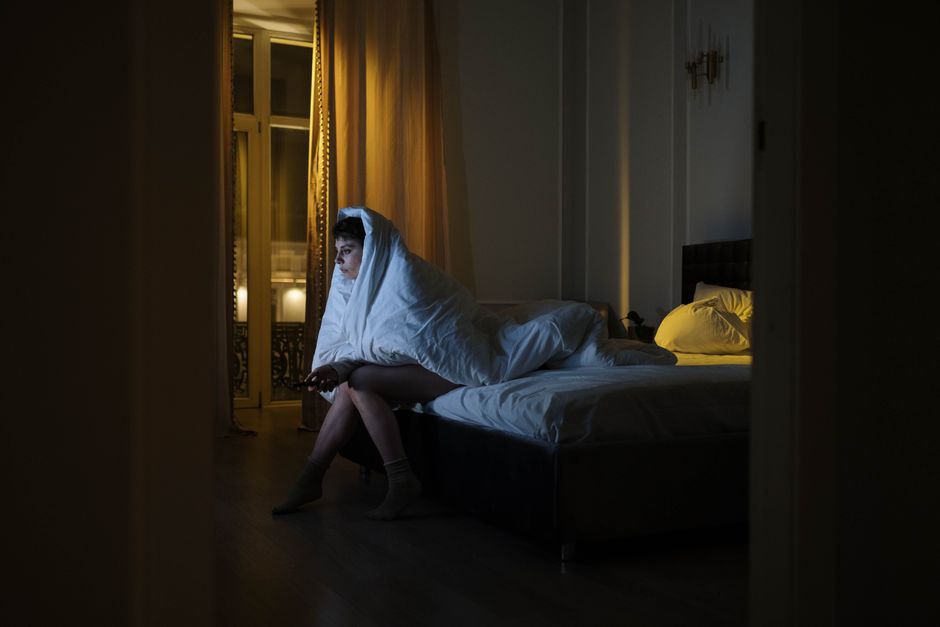
You lie down tired but your mind wakes up. The clock hits midnight and you feel alert. By morning you can barely function. This is not random. It happens because your internal body clock — your circadian rhythm — does not match your daily schedule. You are likely experiencing a circadian rhythm disorder called delayed sleep-wake phase. Your natural sleep signal comes later than normal, so you cannot fall asleep at a typical bedtime. And when you do sleep, your body still needs to wake early for work or family. That mismatch leaves you awake at night and exhausted during the day. The good news is this pattern can be shifted with the right approach.
Why Am I Wide Awake At Night But Tired All Day?
The simplest explanation is a conflict between your internal clock and your external schedule. Your body produces the sleep hormone melatonin later in the evening than most people. You may not feel sleepy until 1:00 or 2:00 AM. But you still have to get up at 6:00 or 7:00 AM. That means you are sleeping only a few hours, and your body is trying to sleep during its natural wake time. This is a medical condition called delayed sleep-wake phase disorder. It is one of the most common circadian rhythm problems in adults.
What Causes This Sleep Pattern?
Several factors can shift your sleep timing later. Genetics play a role. Some people are naturally night owls. Their internal day is longer than 24 hours. Others develop this pattern through behavior. Staying up late on weekends, using phones or laptops before bed, or working night shifts can reset your clock to a later schedule. Stress and anxiety also keep your brain alert at night. Over time, your body learns that bedtime is not a time for sleeping — it becomes a time for thinking. The pattern can become a habit that is hard to break.
How Does Your Internal Clock Work?
Your brain has a master clock called the suprachiasmatic nucleus. It sits in the hypothalamus and responds to light. When sunlight hits your eyes in the morning, this clock tells your body to stop making melatonin. You feel alert. As the sun goes down, the clock triggers melatonin release. You start to feel sleepy. This cycle takes roughly 24 hours. But everyone’s clock runs slightly different. In delayed sleep phase, the clock runs long. Your body does not release melatonin until later in the evening, sometimes hours after you go to bed.





What Role Does Light Exposure Play?
Light is the strongest signal for your internal clock. Bright light in the morning tells your brain it is time to be awake. Bright light at night tells your brain it is still daytime. This is where screens become a problem. Phones, tablets, and computers emit blue light that suppresses melatonin. Using these devices an hour before bed can push your sleep onset later. On the other hand, if you do not get enough natural light during the day, your clock may not stay synchronized. A dim indoor environment all day followed by bright screens at night is a recipe for a delayed sleep phase.
Can Stress or Anxiety Keep You Awake?
Yes. Your brain’s alertness system can override your sleep drive. When you are stressed, your body releases cortisol and adrenaline. These hormones keep you awake. If you lie in bed worrying about work, finances, or relationships, your brain stays in a state of hyperarousal. You may feel physically tired but mentally alert. Over time, your bed can become associated with wakefulness rather than sleep. This is called conditioned insomnia. It often goes hand in hand with delayed sleep phase. You cannot sleep because your clock says it is early, and your stress says it is time to be alert.
What About Sleep Hygiene?
Sleep hygiene refers to habits that promote good sleep. For someone with this pattern, simple sleep hygiene advice — like “go to bed earlier” — often does not work. You cannot force sleep when your clock is not ready. However, some habits can help. Keep a consistent wake time every day, even on weekends. Do not nap longer than 20 minutes. Avoid caffeine after 2:00 PM. Make your bedroom cool, dark, and quiet. Move screens out of the bedroom. These steps do not fix the clock directly, but they prevent other factors from making it worse.
When Should You See a Doctor?
If this pattern has lasted more than a month and affects your daily life, talk to a doctor. A sleep specialist can use a sleep diary and sometimes an actigraphy watch to confirm delayed sleep phase. They can also rule out other conditions like sleep apnea or depression that can cause similar symptoms. Some people benefit from timed exposure to bright light therapy in the morning. Others need treatment for underlying anxiety. Do not try to fix this alone if it has persisted for years. Professional help can make a real difference.
How Can You Fix This?
The most effective treatment for delayed sleep phase is shifting your clock gradually. Wake up at the same time every day. Then get 30 to 60 minutes of bright light exposure as soon as you wake up. Natural sunlight is best. If that is not possible, a light therapy box can help. At night, dim all lights and avoid screens starting two hours before your target bedtime. Some people use low-dose melatonin taken a few hours before the target bedtime. Evidence for melatonin is mixed. Some studies show it helps shift the clock, but it works best when combined with light therapy. Always talk to a doctor before taking any supplement. Do not take melatonin on your own without guidance. The dose and timing matter greatly. If you stick with the plan, you can shift your sleep earlier by about 15 to 30 minutes each night. Full improvement often takes several weeks.
Frequently Asked Questions
Is it normal to be wide awake at night and tired during the day?
It is common but not normal in the sense of healthy. It usually indicates a circadian rhythm problem or poor sleep habits. Many people experience it at some point, but it should not become a permanent pattern.
Can I reset my sleep schedule naturally?
Yes. The most effective natural method is consistent morning light exposure combined with a fixed wake time. It takes patience, but most people can shift their clock with behavior changes alone.
Does melatonin help with delayed sleep phase?
Melatonin can help shift your sleep timing when taken correctly. However, the evidence is not strong for long-term use. It works best under a doctor’s guidance and when paired with light therapy.
When should I see a doctor for sleep problems?
See a doctor if your sleep pattern interferes with work, school, or relationships for more than a month. Also see a doctor if you have excessive daytime sleepiness, loud snoring, or gasping during sleep.
