
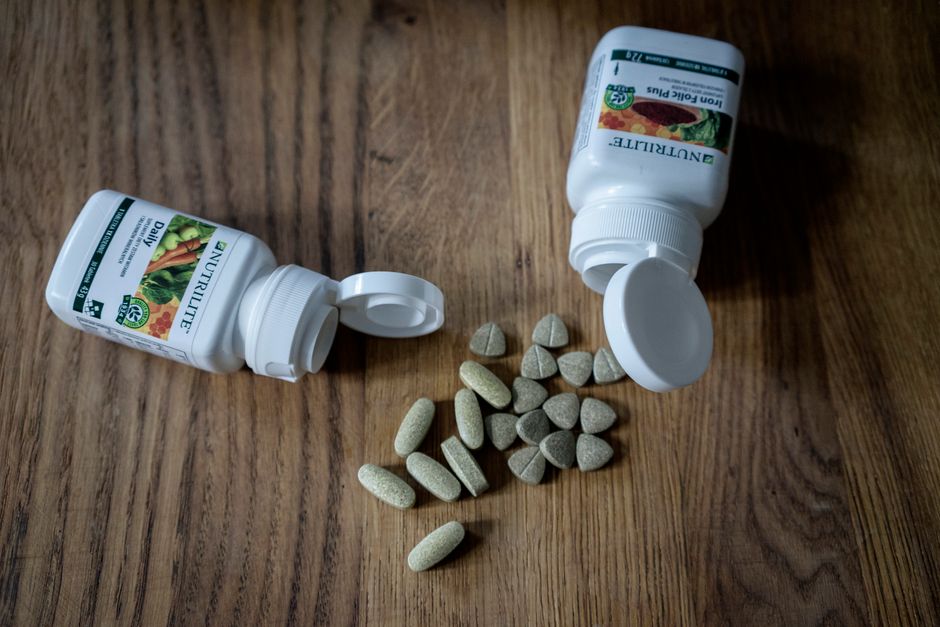
If you take iron at night and wonder why you are staring at the ceiling, you are not alone. Many people report trouble sleeping after evening iron supplements. The short answer is yes — taking iron at night can keep some people awake. But the reason is not what most articles claim. It is not about “energy” or “stimulation.” It is about how iron affects your stomach, your nervous system, and your sleep cycles in ways that are often misunderstood. This guide explains what the actual evidence says, what is likely just a myth, and what you can do about it.
Does Taking Iron at Night Keep You Awake?
Yes, for some people. Research shows that iron supplements can interfere with sleep in a few distinct ways. The most common reason is gastrointestinal distress. Iron is hard on the stomach. Nausea, cramping, heartburn, and acid reflux are well-documented side effects. Lying down after taking iron makes reflux worse. If you wake up with a burning chest or queasy stomach, you will not sleep well.
But there is another mechanism that fewer people know about. Iron influences the production of dopamine and serotonin — two neurotransmitters that regulate sleep and wakefulness. Some studies suggest that iron supplementation can alter dopamine signaling in ways that may increase alertness in certain individuals. This is not a strong effect for most people, but for those who are sensitive, it can feel like a mild stimulant.
The dose matters too. Higher doses of iron, especially ferrous sulfate at 65 mg or more, are more likely to cause side effects that disturb sleep. Lower doses or different forms of iron may cause fewer problems. But the key point is this: if iron keeps you awake, it is usually because of physical discomfort or a mild neurological effect, not because iron “gives you energy” like caffeine does.
What Time of Day Is Best for Taking Iron?
Most research supports taking iron in the morning on an empty stomach. Iron absorption is best when the stomach is empty, and morning dosing avoids sleep disruption. But here is where reality gets complicated.
Taking iron on an empty stomach causes more nausea and stomach upset for many people. That is why some people switch to evening dosing — they think they can sleep through the discomfort. For some, that works. For others, it backfires because the discomfort keeps them awake or wakes them up.
Current research suggests that the best time is the time you can take it consistently without side effects. If morning causes nausea, try taking it with a small amount of food — not dairy or tea, which block absorption, but a small cracker or a piece of fruit. If evening works for you without sleep problems, there is no strong reason to change.
What matters more than time of day is spacing. Iron should not be taken within two hours of calcium-rich foods, antacids, or coffee. These block absorption significantly. If you take iron at night, make sure it has been at least two hours since your last meal or snack containing dairy or calcium.
What Does Research on Iron and Sleep Show?
Let us look at what the studies actually say. A 2017 study published in the Journal of Clinical Sleep Medicine found that people with iron deficiency anemia had higher rates of restless leg syndrome and poorer sleep quality. Supplementing iron improved their sleep. That is important — for people who are truly low in iron, correcting the deficiency helps sleep rather than hurting it.
But for people who are not deficient, or who are only mildly low, the picture is different. A 2020 review in Nutrients noted that iron supplementation can cause oxidative stress in some individuals, which may disrupt sleep architecture. The evidence is not strong enough to say this happens to everyone, but it suggests that more iron is not always better for sleep.
There is also the issue of iron and melatonin. Iron is a cofactor in the production of melatonin, the hormone that regulates sleep. Some researchers have proposed that iron deficiency reduces melatonin production, which is why iron deficiency is linked to poor sleep. But taking iron at night does not instantly boost melatonin. The relationship is more complex and involves long-term iron status, not acute dosing.
The bottom line from research: iron deficiency causes sleep problems. Iron supplementation corrects those problems in deficient individuals. But in people who are not deficient, or who take high doses, iron can cause side effects that disrupt sleep. The effect is real but not universal.





What Are the Side Effects of Taking Iron at Night?
The side effects that interfere with sleep fall into three categories. Here is a breakdown:
- Gastrointestinal issues: Nausea, stomach cramping, heartburn, constipation, and diarrhea are the most common. Lying down after taking iron makes acid reflux worse. This is the number one reason people cannot sleep after iron.
- Restless legs: Iron deficiency causes restless leg syndrome. But ironically, taking iron too close to bedtime can trigger leg discomfort in some people, possibly due to the body adjusting to sudden iron levels.
- Mild alertness: Some people report feeling “wired” or mentally active after iron. This is less common than stomach issues, but it is real. It may relate to iron’s role in dopamine synthesis.
These side effects are dose-dependent. Higher doses cause more problems. Slow-release iron formulas cause fewer stomach issues but may still cause alertness in sensitive people.
One more thing to note: iron supplements can turn stool dark or black. That is normal and harmless. But if you also have stomach pain or vomiting, that is not normal — stop taking the supplement and talk to your doctor.
How to Take Iron Without Ruining Your Sleep
If you need iron but cannot tolerate it at night, here is what actually works based on evidence and clinical experience.
First, take iron in the morning. This is the simplest fix. Take it on an empty stomach with a glass of orange juice or water containing vitamin C. Vitamin C improves iron absorption by up to 30 percent. Wait at least 30 minutes before eating breakfast.
Second, if morning dosing causes nausea, switch to a different form of iron. Ferrous bisglycinate is gentler on the stomach than ferrous sulfate. Many people tolerate it well. It is also less likely to cause constipation. As of 2026, this is the form most dietitians recommend for sensitive stomachs.
Third, take iron every other day instead of every day. Research shows that daily high-dose iron causes more side effects and does not improve absorption compared to every-other-day dosing. The body regulates iron absorption tightly. Taking a high dose every day just increases side effects without improving iron levels faster.
Fourth, if you must take iron at night, take it at least two hours before lying down. This reduces reflux. Also, take it with a small amount of food if your stomach is sensitive — but avoid dairy, tea, coffee, and high-fiber foods, which block absorption.
Fifth, get your iron levels tested before supplementing. This is the most important step. Many people take iron unnecessarily. High iron levels are also dangerous and can cause liver damage and heart problems. Do not guess. A simple blood test for ferritin and hemoglobin tells you whether you need iron at all.
Common Misconceptions About Iron and Sleep
Let us clear up some myths that keep circulating online.
Myth: Iron gives you energy like caffeine. No. Iron does not stimulate the central nervous system. It supports red blood cell production, which helps oxygen delivery. That can improve energy over weeks, not minutes. If you feel alert after iron, it is likely a stomach-related stress response or a mild neurological effect, not a stimulant effect.
Myth: Taking iron at night is dangerous. No. It is not dangerous. It is just uncomfortable for some people. There is no evidence that taking iron at night causes any long-term harm. The risk is poor sleep, not toxicity.
Myth: Iron always causes constipation. Not true. Constipation is a common side effect, but it does not happen to everyone. Staying hydrated, eating fiber, and using gentler forms of iron reduce this risk significantly.
Myth: You need to take iron with food to avoid stomach upset. This is partially true but misleading. Taking iron with food reduces stomach upset but also reduces absorption by 40 to 60 percent. The better approach is to take iron on an empty stomach with vitamin C, and if that causes issues, switch to a gentler form rather than taking it with food.
Frequently Asked Questions
Frequently Asked Questions
Can taking iron at night cause insomnia?
Yes, it can for some people. The most common cause is stomach discomfort or acid reflux from lying down after taking iron. A smaller number of people experience mild alertness due to iron’s effect on dopamine.
Is it better to take iron in the morning or at night?
Morning is generally better for most people. Iron absorbs best on an empty stomach, and morning dosing avoids sleep disruption. But the best time is the time you can take it consistently without side effects.
How long before bed should I take iron?
If you take iron at night, take it at least two hours before lying down. This reduces the risk of acid reflux and stomach discomfort that can keep you awake.
Does iron affect melatonin production?
Iron is involved in melatonin synthesis, but taking iron at night does not instantly boost melatonin. Long-term iron status matters more than acute dosing for melatonin production.
