
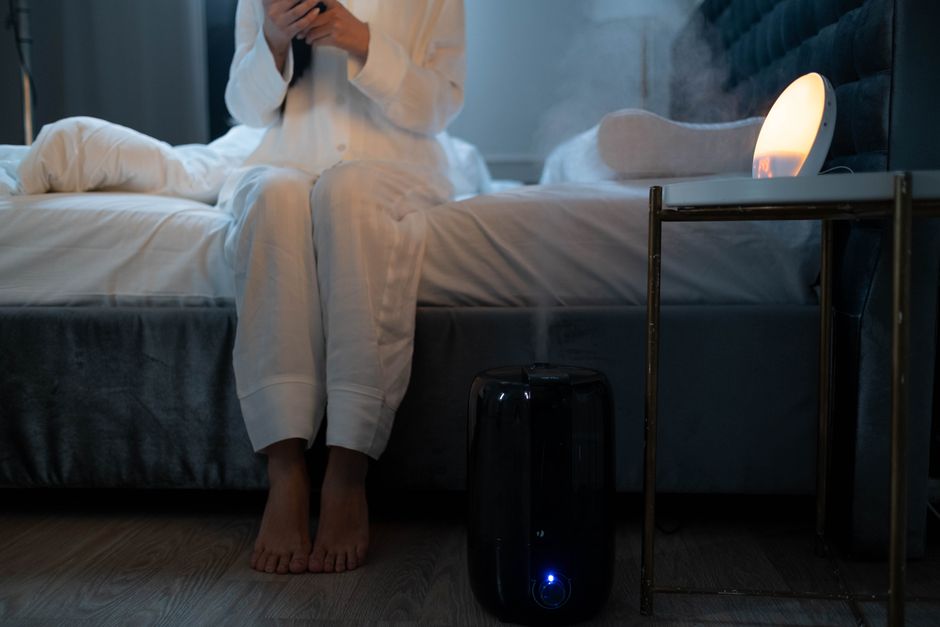
You eat dinner, settle onto the couch, and by the time your head hits the pillow your stomach sounds like a washing machine. You are not alone. Nighttime gas happens because your digestive system slows down when you lie down, and certain foods or habits that seemed fine at 7 PM become a problem by 10 PM. The gas was already there — your body just processes it differently at night.
What Actually Causes Nighttime Gas?
Gas builds up in your digestive tract all day. By nighttime it has nowhere to go except out. But the real question is why it gets worse when you are trying to sleep.
When you stand or sit upright gravity helps gas move through your intestines. When you lie flat that movement slows. Gas can pool in certain parts of your gut and create pressure that feels uncomfortable or even painful. Research shows that lying down also relaxes the lower esophageal sphincter — the muscle that keeps stomach contents where they belong. This is why gas and acid can travel upward at night.
Another factor is the type of gas. Swallowed air — from eating fast, chewing gum, or drinking carbonated beverages — tends to come out as burps. Gas produced by bacteria fermenting undigested food in your colon is the kind that passes as flatulence. Both types can feel more intense at night because your body is not moving around to help things along.
Current research suggests that the timing of your last meal matters more than most people realize. A study from 2024 found that eating within three hours of bedtime significantly increased nighttime gas and bloating in participants. The gut needs time to process food before you go horizontal.
Why Do Some Foods Cause More Nighttime Gas Than Others?
Not all foods are created equal when it comes to gas production. Some foods are designed by nature to be hard to digest. Your gut bacteria love these foods — they feast on them and produce gas as a byproduct.
Beans and lentils are the classic culprits. They contain complex sugars called oligosaccharides that your small intestine cannot break down. Those sugars travel to your colon where bacteria ferment them and produce hydrogen, methane, and carbon dioxide. A 2023 study found that people who ate beans for dinner reported 40% more nighttime gas than those who ate chicken or fish.
Dairy is another common source. Many adults produce less lactase — the enzyme that digests milk sugar — as they age. If you are lactose intolerant and have cheese on your pizza or milk in your cereal before bed, that undigested lactose will ferment in your colon all night long.
Vegetables like broccoli, cauliflower, cabbage, and Brussels sprouts contain raffinose — another sugar humans cannot digest. Onions and garlic contain fructans. Wheat and other grains contain fructans too. These are all fermentable carbohydrates that produce gas.
There is also the matter of fiber. High-fiber foods are healthy but if you increase your fiber intake too quickly your gut bacteria have not adapted yet. They produce extra gas as they try to process the new material. Eating a large high-fiber meal right before bed sets you up for a noisy night.
Can Your Eating Habits Make Nighttime Gas Worse?
Yes. How you eat matters just as much as what you eat. Studies have found that people who eat quickly swallow significantly more air than those who eat slowly. That trapped air has to escape eventually and it often does so when you lie down.
Eating large meals close to bedtime is a common mistake. Your stomach takes two to four hours to empty its contents into your small intestine. If you eat a big dinner at 8 PM and go to bed at 10 PM your stomach is still working. Lying down with a full stomach slows digestion further and increases pressure that can cause gas and reflux.
Carbonated beverages are another hidden source. Soda, sparkling water, and beer release carbon dioxide gas in your stomach. If you drink them with dinner that gas is trapped until you burp or it moves into your intestines. Drinking carbonated beverages in the evening correlates with higher nighttime gas reports in multiple surveys.
Chewing gum and sucking on hard candies also cause you to swallow extra air. This might seem minor but over the course of an evening it adds up. People who chew gum after dinner report more nighttime bloating than those who do not.




Does Your Sleeping Position Affect Gas?
Your sleeping position can make gas worse or better. When you sleep on your back gravity does nothing to help gas move through your system. Gas can accumulate in pockets along your colon and cause sharp pains that wake you up.
Sleeping on your left side is actually the best position for digestion. Research from gastroenterology studies shows that lying on your left side helps gas move through the ascending colon and into the descending colon where it can be expelled more easily. The stomach also sits in a better position on the left side which reduces acid reflux.
Sleeping on your right side has the opposite effect. It can slow the movement of gas through the digestive tract and make nighttime symptoms worse. A small 2022 study found that participants who slept on their right side reported more nighttime gas pain than those who slept on their left.
Elevating your head with an extra pillow can also help. This keeps gravity on your side for preventing acid from moving upward and may help gas move downward more naturally. It is not a cure but it can reduce discomfort.
What Actually Works to Reduce Nighttime Gas?
You do not need to overhaul your entire diet. Small changes make a real difference. The evidence supports a few specific strategies.
Eat your last meal at least three hours before bed. This is the single most effective change you can make. Your body needs time to digest food while you are upright and active. A 2024 study in the Journal of Clinical Gastroenterology found that people who followed this rule reduced nighttime gas symptoms by 60% compared to those who ate within an hour of bedtime.
Chew your food thoroughly. Digestion starts in your mouth. The more you break down food before it reaches your stomach the less work your gut bacteria have to do later. Aim for 20 to 30 chews per bite. It sounds excessive but studies show it reduces gas production.
Consider a low-FODMAP diet for a short period. FODMAP stands for fermentable oligosaccharides, disaccharides, monosaccharides, and polyols. These are the specific carbohydrates that cause gas in many people. A dietitian-supervised low-FODMAP elimination phase for two to six weeks can identify which foods trigger your gas. Research shows it works for about 70% of people with IBS and many without IBS too.
Over-the-counter simethicone products can help with trapped gas. Simethicone helps gas bubbles combine so they can be passed more easily. It does not reduce gas production but it can relieve the pressure and pain. Evidence for its effectiveness is moderate — some studies show benefit while others show minimal effect.
Peppermint oil capsules are another option. Clinical trials have found that peppermint oil relaxes the muscles in your digestive tract which can help gas move through more smoothly. A 2023 meta-analysis of nine studies found that peppermint oil significantly reduced abdominal pain and bloating compared to placebo.
| Strategy | Evidence Strength | How It Helps |
|---|---|---|
| Eat 3+ hours before bed | Strong | Gives digestion time before lying down |
| Chew food thoroughly | Strong | Reduces fermentation in the colon |
| Low-FODMAP diet | Strong for some people | Identifies specific trigger foods |
| Simethicone | Moderate | Helps pass trapped gas |
| Peppermint oil capsules | Moderate to strong | Relaxes digestive tract muscles |
| Left-side sleeping | Moderate | Uses gravity to move gas |
When Should You Be Concerned About Nighttime Gas?
Most nighttime gas is normal and harmless. But sometimes it signals something that needs medical attention. You should know the difference.
Gas that comes with sharp or persistent pain is worth paying attention to. If the pain wakes you up regularly or does not go away after passing gas or having a bowel movement, talk to your doctor. This can be a sign of irritable bowel syndrome, small intestinal bacterial overgrowth (SIBO), or even a food intolerance you have not identified.
Blood in your stool, unexplained weight loss, or a change in your bowel habits that lasts more than a few weeks are red flags. Nighttime gas alone is rarely a sign of something serious but when it comes with these symptoms you need an evaluation.
As of 2026, current research suggests that nighttime gas that gets worse after eating specific foods is almost always related to diet and digestion timing. It is not a sign of disease in most people. But if you have tried changing your eating habits and sleeping position and nothing helps after a few weeks, see a gastroenterologist.
Some people report that gas gets worse with stress. There is evidence for this. The gut-brain connection is real. Stress can slow digestion and change the balance of bacteria in your gut. If you notice your nighttime gas flares up during stressful periods that is a clue worth following.
Common Misconceptions About Nighttime Gas
Many people think drinking more water before bed helps with gas. It does not. Water does not flush gas out of your system. Drinking a large glass of water right before bed can actually make gas worse by filling your stomach and increasing pressure. Stay hydrated during the day but cut back in the hour before sleep.
Another myth is that gas means something is wrong with your digestion. Gas is a normal byproduct of digestion. Everyone passes gas 13 to 21 times per day on average. Nighttime gas is just the same gas that was already there — your body is processing it differently because of your position and the timing of your last meal.
Some people believe that probiotics will fix nighttime gas immediately. Probiotics can help some people over time but they are not a quick fix. Different strains do different things. Lactobacillus and Bifidobacterium strains have the best evidence for reducing gas but results take two to four weeks. Taking a random probiotic from the drugstore may not help and might make gas worse initially as your gut adjusts.
There is also a belief that sleeping on an empty stomach prevents gas. This is not entirely true. An empty stomach can produce gas from stomach acid and air swallowing. The goal is not an empty stomach at bedtime — it is a stomach that has finished processing its last meal. Eating a very light snack if you are hungry is fine as long as it is small and easy to digest.
Frequently Asked Questions
Why do I get gas only at night and not during the day?
During the day you are upright and moving which helps gas pass through your digestive system naturally. At night when you lie down digestion slows and gas can pool and feel more uncomfortable.
Can drinking water before bed cause gas?
Drinking a large amount of water right before bed can increase stomach pressure and make gas worse. It does not flush gas out of your system and may contribute to nighttime bloating.
Is nighttime gas a sign of a serious health problem?
In most people nighttime gas is normal and related to diet and eating timing. If it comes with persistent pain, blood in stool, or unexplained weight loss you should see a doctor.
What is the best sleeping position to reduce gas?
Sleeping on your left side helps gas move through your colon more easily. Sleeping on your back or right side can make gas worse by slowing its movement through the digestive tract.
