
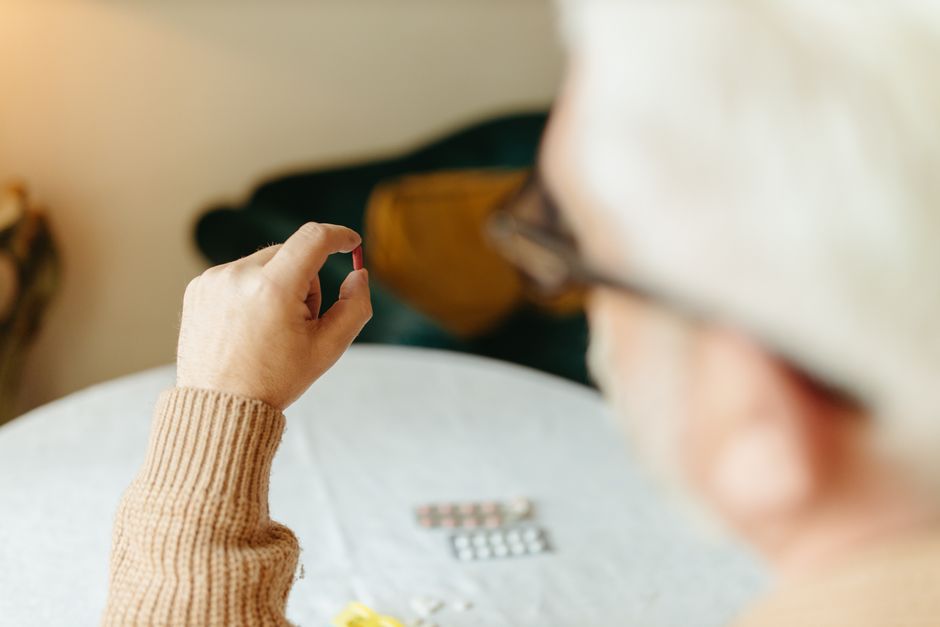
The short answer is that gabapentin is typically taken at night, especially when you first start it, because drowsiness is its most common side effect. Most doctors recommend taking your highest dose or your only dose in the evening to help you sleep through the peak sedation. However, the best timing depends on why you are taking it, your specific dose schedule, and how your body responds. There is no single perfect time that works for everyone, but nighttime is the safest starting point.
Should I Take Gabapentin In The Morning Or At Night?
If you take gabapentin once daily, take it at night. This is the standard advice from most prescribing guidelines. The drug causes significant drowsiness in a large percentage of people. Taking it before bed helps you avoid daytime sleepiness and lets the medication work while you sleep.
If you take gabapentin two or three times a day, the situation is different. You will need to spread doses throughout the day. The key is to take the largest dose at night. Many prescriptions call for a smaller morning dose, a smaller afternoon dose, and a larger bedtime dose. This balances symptom control with managing sedation.
Some people do not get drowsy from gabapentin. If you are one of them, morning dosing may work fine. But you should not assume this until you have tried nighttime dosing first. Start with the evening schedule and only adjust after talking to your doctor.
What Does Research Show About Gabapentin Timing and Sleep?
Studies have found that gabapentin increases slow-wave sleep, which is the deep restorative stage of sleep. This is one reason it helps some people with sleep disorders like restless legs syndrome or insomnia related to nerve pain. A 2012 study in the journal Sleep Medicine showed that gabapentin improved sleep quality in people with insomnia by increasing slow-wave sleep and reducing nighttime awakenings.
Current research suggests that taking gabapentin at night maximizes this sleep benefit. The drowsiness that bothers people during the day becomes an advantage at bedtime. You get both pain relief and better sleep from the same dose.
However, research also shows that the sedation effect is strongest in the first week of use. Many people develop tolerance to the drowsiness over time. As of 2026, some clinicians now suggest that patients who have been on gabapentin for months may be able to shift doses earlier in the day without major sleepiness. But this should only be done under medical supervision.
What Are the Side Effects of Taking Gabapentin in the Morning?
The main risk of morning dosing is daytime drowsiness. This can affect driving, work performance, and safety. Gabapentin is classified as a central nervous system depressant. It slows brain activity. Taking it in the morning means you are operating under that slowdown during your active hours.
Other side effects that can be worse with morning dosing include:
- Dizziness and loss of coordination
- Blurred vision
- Unsteady walking
- Difficulty concentrating
- Swelling in the hands and feet
These effects are dose-dependent. Higher morning doses cause more problems. This is why many doctors split the daily total into smaller daytime doses and one larger nighttime dose. A typical split might be 300 mg in the morning, 300 mg in the afternoon, and 600 mg at bedtime.
Some people report that morning doses make them feel “foggy” or “slow” for several hours. This can interfere with driving to work or caring for children. If you must take a morning dose, consider waiting until after you have driven to your destination.
Does the Reason You Take Gabapentin Change the Best Time?
Yes, the condition being treated matters for timing decisions. For nerve pain from conditions like diabetic neuropathy or postherpetic neuralgia, nighttime dosing is common because pain often worsens at night. The medication helps you sleep through the pain.
For epilepsy, timing is more rigid. You need consistent blood levels throughout the day to prevent seizures. Missing a dose or taking it at the wrong time can trigger breakthrough seizures. If you take gabapentin for seizures, follow your prescribed schedule exactly. Do not shift doses without talking to your neurologist.
For restless legs syndrome, nighttime dosing is standard. Gabapentin enacarbil, a prodrug version, is specifically approved for this condition and is taken once daily in the evening. The medication reduces the uncomfortable sensations that keep people awake.
For anxiety or mood disorders, gabapentin is sometimes used off-label. In these cases, timing depends on when your symptoms are worst. Some people benefit from a morning dose if their anxiety is highest during the day. But this is less common and should be guided by a psychiatrist.
How to Adjust Your Gabapentin Timing Safely
Never change your dose timing without talking to your doctor first. Gabapentin is not a medication you should experiment with on your own. Abrupt changes can cause withdrawal symptoms like anxiety, insomnia, nausea, and pain flare-ups.
If your doctor agrees to a timing change, do it gradually. Shift your doses by one hour each day over several days. This gives your body time to adjust. For example, if you want to move a dose from morning to evening, take it one hour later each day until you reach the target time.
Keep a symptom diary during the adjustment period. Note your pain levels, sleep quality, and any side effects. This information helps your doctor fine-tune your schedule. Some people find that splitting their total daily dose into three or four smaller doses reduces side effects while maintaining effectiveness.
The table below summarizes common dosing schedules for different conditions:
| Condition | Typical Dosing Pattern | Best Time for Largest Dose |
|---|---|---|
| Nerve pain (neuropathy) | 3 times daily | Bedtime |
| Epilepsy | 3 times daily, evenly spaced | Evening (if one dose is larger) |
| Restless legs syndrome | Once daily | Evening, 2-3 hours before bed |
| Off-label anxiety | 2-3 times daily | Depends on symptom pattern |
Common Misconceptions About Gabapentin Timing
One widespread myth is that gabapentin must always be taken with food. The truth is that food does not significantly change how well the drug works. A high-fat meal can slow absorption slightly, but this does not matter for most people. Take it with or without food, whichever is more convenient and consistent.
Another misconception is that taking gabapentin at night guarantees you will sleep through the night. Some people wake up after a few hours feeling alert. Gabapentin’s duration of action is about 6 to 8 hours. If you take it at 10 PM, its peak effect may wear off by 4 or 5 AM. Some doctors prescribe an extended-release version to avoid this problem.
A third myth is that you cannot take gabapentin during the day at all. Many people take daytime doses without major issues. The key is starting low and increasing slowly. If your doctor prescribes a morning dose, trust that they have considered the risks and benefits for your specific case.
Some people believe that gabapentin is addictive and that timing changes can prevent dependence. Gabapentin does have abuse potential, especially in people with a history of substance use disorder. But proper timing does not reduce addiction risk. That is managed through dose limits and medical supervision, not schedule adjustments.
Frequently Asked Questions
Can I take gabapentin in the morning if I work night shifts?
Yes, you should take it before your sleep period, not based on clock time. If you sleep during the day, take your largest dose before daytime sleep.
Will taking gabapentin at night make me drowsy the next morning?
Some people experience a hangover effect, especially in the first few weeks. This usually improves as your body adjusts to the medication.
Can I split my gabapentin dose evenly between morning and night?
You can, but it is not always ideal. Many people do better with a smaller morning dose and a larger nighttime dose to minimize daytime drowsiness.
How long does gabapentin stay in your system after a nighttime dose?
Gabapentin has a half-life of about 5 to 7 hours. It takes roughly 30 hours for most of the drug to leave your system after your last dose.
