
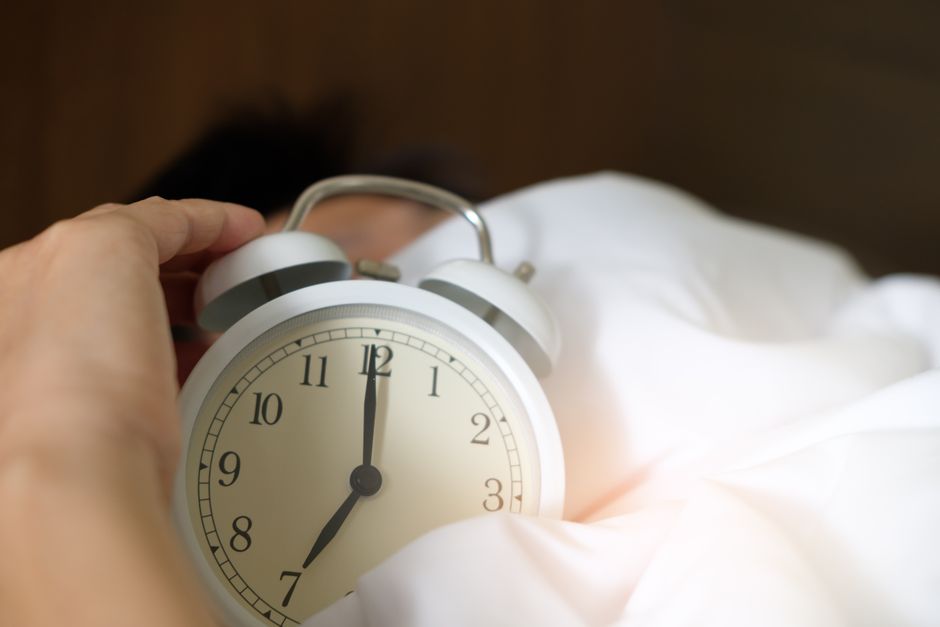
Waking up tired is not normal. Most people can wake up feeling rested if they fix the right things. The problem is usually not how long you sleep but the quality of that sleep and what happens in the hours before bed. Your body needs consistent timing, the right light exposure, and a stable blood sugar level to wake up refreshed. Ignoring these three things will make you tired no matter how many hours you spend in bed.
What Actually Causes Morning Fatigue?
Morning fatigue has several possible causes. The most common one is poor sleep quality. You might be in bed for eight hours but only get four hours of deep sleep. Sleep apnea is a major cause of this. It stops your breathing hundreds of times a night without you knowing. Each time you wake up just enough to leave deep sleep but not enough to remember it.
Another cause is your circadian rhythm being off. Your body has an internal clock that tells you when to sleep and when to wake. If you go to bed at different times every night, that clock gets confused. Research shows that even a one-hour shift in bedtime can reduce sleep quality for the entire week.
Blood sugar drops during the night can also wake you up tired. If you eat a high-carb meal close to bedtime, your blood sugar spikes then crashes in the early morning. That crash releases stress hormones that pull you out of deep sleep. You wake up feeling like you barely slept even though you were in bed long enough.
Does the Time You Go to Bed Actually Matter?
Yes, the time matters more than most people think. But it is not about going to bed early. It is about going to bed at the same time every night. Studies have found that people with irregular bedtimes have worse sleep quality than people who sleep fewer hours but on a consistent schedule.
Your body releases melatonin based on light exposure. When the sun goes down, melatonin rises. When the sun comes up, it drops. If you go to bed at 10 PM one night and 1 AM the next, your melatonin release gets confused. This makes it harder to fall asleep and harder to wake up.
Current research suggests that adults need between seven and nine hours of sleep per night. But the timing of those hours matters. Going to bed at the same time every night, including weekends, is one of the most effective ways to wake up without feeling tired. It trains your body to expect sleep at a certain time and to expect waking at a certain time.
How Does Light Affect Your Ability to Wake Up Refreshed?
Light is the strongest signal for your internal clock. Morning light tells your brain to stop producing melatonin and start producing cortisol. Cortisol is not just a stress hormone. It is also the hormone that helps you wake up. Without morning light exposure, your body stays in a sleep-like state longer than it should.
Blue light from screens at night does the opposite. It tells your brain it is still daytime. This delays melatonin release and makes it harder to fall asleep. A study from Harvard found that reading on a backlit device before bed reduced melatonin levels by about 55 percent compared to reading a printed book.
To wake up without feeling tired, get bright light in your eyes within 30 minutes of waking. Natural sunlight is best. Even a cloudy day provides enough light. If you wake up before sunrise, use a bright artificial light. This signals your brain that the day has started and helps you feel more alert within minutes.
At night, dim the lights an hour before bed. Avoid screens or use blue light blocking glasses. This simple change can improve how you feel in the morning more than any supplement or sleep aid.





What Role Does Your Morning Routine Play?
Your morning routine sets the tone for your entire day. But most people start their morning in a way that keeps them tired. The first thing many people do is check their phone. This floods your brain with information and stress before your body is fully awake. It also exposes you to blue light, which is good for waking up but not when combined with stressful news or emails.
A better approach is to delay caffeine for 60 to 90 minutes after waking. Your body produces cortisol naturally in the morning to help you wake up. Caffeine blocks the receptors that make you feel sleepy, but it also blocks the natural wake-up signal from cortisol. Drinking coffee immediately after waking can make you dependent on caffeine to feel alert instead of relying on your body’s natural system.
Movement also helps wake you up. You do not need a full workout. A short walk, some stretching, or a few minutes of light exercise gets blood flowing and signals your body that it is time to be awake. Research shows that morning exercise improves alertness more than caffeine for some people.
Here is a simple morning routine that works for most people:
- Get sunlight within 30 minutes of waking
- Drink a glass of water before coffee
- Delay caffeine by at least 60 minutes
- Move your body for five to ten minutes
- Avoid phone screens for the first 15 minutes
How To Wake Up Without Feeling Tired Every Day by Fixing Your Sleep Environment
Your bedroom temperature affects how well you sleep. The ideal temperature for sleep is between 65 and 68 degrees Fahrenheit. When your body temperature drops at night, it signals your brain to enter deep sleep. If your room is too warm, this drop does not happen properly. You spend less time in the restorative stages of sleep and wake up feeling groggy.
Noise is another factor. Even low-level noise can pull you out of deep sleep without waking you fully. A fan or white noise machine can mask disruptive sounds. Complete silence is not always better because sudden noises are more jarring in a quiet room than in a room with consistent background sound.
Your mattress and pillow matter more than most people admit. A mattress that is more than eight years old loses its support. This can cause you to toss and turn during the night without realizing it. Pillows that do not support your neck properly can cause tension that wakes you up or prevents deep sleep.
Darkness is critical. Any light in your bedroom can reduce melatonin production. This includes light from electronics, streetlights coming through curtains, and the small lights on chargers and devices. Blackout curtains and covering all light sources can improve sleep quality significantly.
Here is a comparison of what helps and what does not for waking up refreshed:
| Factor | Helps | Does Not Help |
|---|---|---|
| Bedtime consistency | Going to bed at the same time every night | Going to bed early but at different times |
| Morning light | Natural sunlight within 30 minutes of waking | Indoor lighting alone |
| Caffeine timing | Delaying coffee 60-90 minutes after waking | Drinking coffee immediately upon waking |
| Room temperature | 65-68 degrees Fahrenheit | Warm rooms above 70 degrees |
| Screen use at night | No screens 60 minutes before bed | Using blue light filters while still looking at screens |
What About Supplements and Sleep Aids?
Supplements are not a replacement for good sleep habits. Many people look for a quick fix in a pill. Melatonin is the most common sleep supplement. It can help if you have jet lag or a shifted schedule. But taking melatonin every night can actually disrupt your natural production. Your body may stop making its own melatonin if you rely on supplements too often.
Magnesium is another popular supplement. Some studies suggest it helps with relaxation and falling asleep faster. The evidence is not strong enough to recommend it for everyone. People who are deficient in magnesium may benefit. People with normal levels may not notice any difference.
Sleep aids that you buy over the counter often contain antihistamines. These make you drowsy but do not improve sleep quality. They can leave you feeling groggy the next morning. This is called a hangover effect and it is common with many sleep medications.
As of 2026, there is no strong clinical evidence that any supplement can replace consistent sleep habits. If you want to wake up without feeling tired, focus on timing, light, and temperature first. Supplements are at best a small addition to a solid foundation.
Common Misconceptions About Waking Up Refreshed
One common myth is that you can catch up on sleep over the weekend. Research shows that sleeping in on Saturday and Sunday does not fully reverse the damage of not sleeping enough during the week. It also shifts your circadian rhythm, making it harder to wake up on Monday morning. Consistency matters more than total hours across the week.
Another myth is that you need eight hours of sleep no matter what. Some people function well on seven hours. Others need nine. The right amount is what makes you feel rested without caffeine. If you wake up without an alarm and feel alert within 15 minutes, you are probably getting enough sleep.
Some people believe that waking up tired is just part of getting older. This is not true. Older adults do have lighter sleep and wake up more often during the night. But they still need restorative sleep. If you are older and waking up tired every day, something is wrong that can usually be fixed. Sleep apnea becomes more common with age and is often undiagnosed.
Many people also think that snoozing the alarm helps them wake up more gently. The opposite is true. Hitting snooze fragments your sleep. Those extra nine-minute segments are not restorative. They just leave you more groggy when you finally get up. Set your alarm for the time you actually need to wake up and get up immediately.
Frequently Asked Questions
Why do I wake up tired even after sleeping eight hours?
You may have poor sleep quality from sleep apnea, an irregular bedtime, or a sleep environment that is too warm or noisy. Eight hours in bed does not equal eight hours of restorative sleep.
Can drinking water before bed help me wake up less tired?
Staying hydrated during the day helps, but drinking too much water right before bed can wake you up to use the bathroom. That interrupts sleep and makes morning fatigue worse.
Does exercising in the morning help you wake up?
Yes, morning exercise raises your body temperature and heart rate, which signals your brain that it is time to be awake. Even light movement like walking helps.
Is it bad to drink coffee first thing in the morning?
Drinking coffee immediately after waking can interfere with your natural cortisol rise. Waiting 60 to 90 minutes allows your body to wake up naturally before you add caffeine.
