
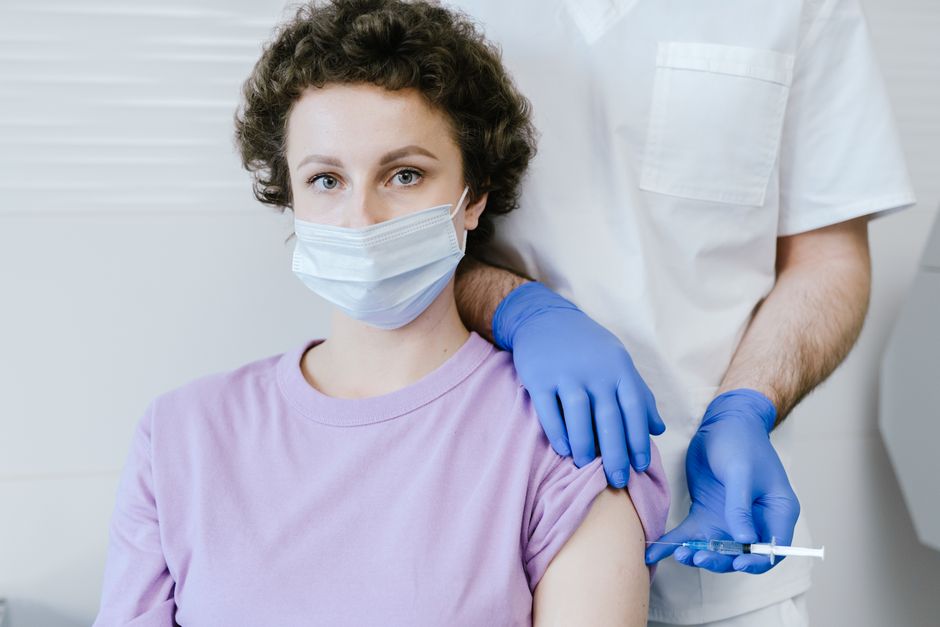
When COVID-19 vaccines first became available, doses were limited. Public health officials had to decide who should get vaccinated first. These decisions were based on who faced the highest risk of severe illness, death, and exposure. Priority groups were ranked to save the most lives and protect healthcare capacity. This article explains the ranking system, who was included in each phase, and how the decisions were made.
Who Gets The Covid Vaccine First Priority Groups Ranked?
Phase 1a went first. This group included healthcare personnel and residents of long-term care facilities. Healthcare workers faced constant exposure to the virus. Long-term care residents were at extreme risk for severe disease and death due to age and underlying conditions.
Phase 1b came next. This group included people age 75 and older and frontline essential workers. The risk of death from COVID-19 rises sharply with age. Frontline workers such as police, firefighters, and grocery store employees could not work from home and had high exposure risk.
Phase 1c followed. This group included people age 65-74, people age 16-64 with high-risk medical conditions, and other essential workers. High-risk conditions included cancer, chronic kidney disease, COPD, heart conditions, obesity, and type 2 diabetes.
After these phases, eligibility expanded by age and to the general adult population. The exact timeline varied by state. Some states deviated from federal recommendations based on local conditions and supply.
How Were Priority Groups Determined?
The Advisory Committee on Immunization Practices (ACIP) made the recommendations. ACIP is a panel of medical and public health experts that advises the CDC. They used a framework that balanced four main principles.
The first principle was maximizing benefit. This meant preventing deaths, hospitalizations, and severe illness. The second was maintaining essential functions of society. Healthcare workers, teachers, and other essential workers had to stay healthy enough to keep critical systems running.
The third principle was reducing health disparities. COVID-19 disproportionately affected communities of color and people with lower incomes. Prioritizing these groups aimed to narrow inequities. The fourth principle was promoting equity and fairness in access.
ACIP reviewed modeling studies, outbreak data, hospital capacity, and vaccine supply estimates. They met multiple times publicly to debate and update their recommendations as new data emerged.
Why Were Healthcare Workers First?
Healthcare workers had the highest occupational exposure to the virus. Many worked in hospitals, nursing homes, and clinics where COVID-19 patients were treated. Protecting them protected the entire healthcare system.
If large numbers of healthcare workers became sick, hospitals would lose staffing. That would threaten care for all patients, not just those with COVID-19. The goal was to preserve the system that everyone depends on during a crisis.
Healthcare workers also included staff in settings where vulnerable people live, such as nursing homes and assisted living facilities. Vaccinating these workers helped protect residents indirectly through herd protection.



Why Were Older Adults Prioritized?
Age is the strongest risk factor for severe COVID-19. By the second year of the pandemic, the CDC reported that older adults accounted for more than 80% of COVID-19 deaths. This was true across all racial and ethnic groups.
The risk of hospitalization increases significantly after age 65. The risk of death increases even more sharply after age 75. Prioritizing these age groups had the greatest impact on reducing mortality.
Residents of long-term care facilities were included in Phase 1a because they were both older and living in close quarters. Outbreaks in nursing homes were devastating early in the pandemic. Vaccinating this group directly saved lives.
What About People With High-Risk Medical Conditions?
Certain medical conditions significantly increased the risk of severe COVID-19. The CDC listed these conditions as strong evidence for priority. They included cancer, chronic kidney disease, COPD, Down syndrome, heart conditions, immunocompromised state from organ transplant, obesity (BMI ≥30), pregnancy, sickle cell disease, and type 2 diabetes.
People with these conditions were included in Phase 1c. This placed them ahead of healthy adults with lower occupational risk. The decision was supported by data showing that these conditions raised hospitalization and death rates.
Pregnancy was included as a high-risk condition as evidence accumulated. Pregnant women with COVID-19 had higher rates of ICU admission and preterm birth. The ACIP added pregnancy to the list in late 2020.
Were Frontline Essential Workers Prioritized?
Yes. Frontline essential workers were included in Phase 1b. These were workers who could not effectively social distance at work and who kept essential functions running. The definition varied somewhat by state but generally included food and agriculture workers, manufacturing workers, grocery store staff, public transit workers, postal workers, and teachers and school staff.
These workers faced higher infection risk because their jobs required close contact with the public or coworkers. Many also lived in communities already hit hard by the virus. Prioritizing them was both a health and an equity decision.
Essential workers who were not frontline were moved to Phase 1c. This group included workers in transportation, water and wastewater, finance, information technology, and other sectors considered essential but with lower exposure risk.
Did Priority Groups Differ By State?
Yes. State health departments made their own decisions within the federal framework. Some states followed the ACIP recommendations closely. Others adjusted based on local outbreaks, supplies, or political considerations.
For example, some states opened vaccines to all adults age 16 and older earlier than the federal schedule. Others kept tighter age restrictions for longer. Some states included people with specific medical conditions that others did not.
These differences caused confusion. A person eligible in one state might have to wait weeks longer in another. The federal government set broad guidelines, but states retained significant control over execution.
How Did Supply Affect The Order?
Vaccine supply was the main limiting factor. Initial doses were extremely limited. The priority system was designed to use every dose where it would do the most good.
As supply increased, eligibility expanded. By spring 2021, most states had opened vaccines to all adults. The priority groups became less relevant as supply caught up with demand.
Some states created sub-priorities within the larger groups. For example, within Phase 1b, they might vaccinate the oldest eligible people first before moving to younger essential workers. This was a practical way to stretch limited doses.
Frequently Asked Questions
What were the top three priority groups for the COVID vaccine?
Healthcare personnel and long-term care facility residents were first. People age 75 and older and frontline essential workers were second. People age 65-74 and those with high-risk medical conditions were third.
Why were healthcare workers prioritized first?
Healthcare workers had the highest occupational exposure and protecting them preserved the healthcare system. If large numbers became sick, hospitals could not care for any patients.
Were people with obesity considered high priority?
Yes. People with a BMI ≥30 were included in the high-risk medical conditions group. Obesity was consistently linked to higher rates of severe COVID-19 and hospitalization.
Did essential workers get the vaccine before the general public?
Yes. Frontline essential workers were in Phase 1b, and other essential workers were in Phase 1c. Both phases came before the general adult population became eligible.
