
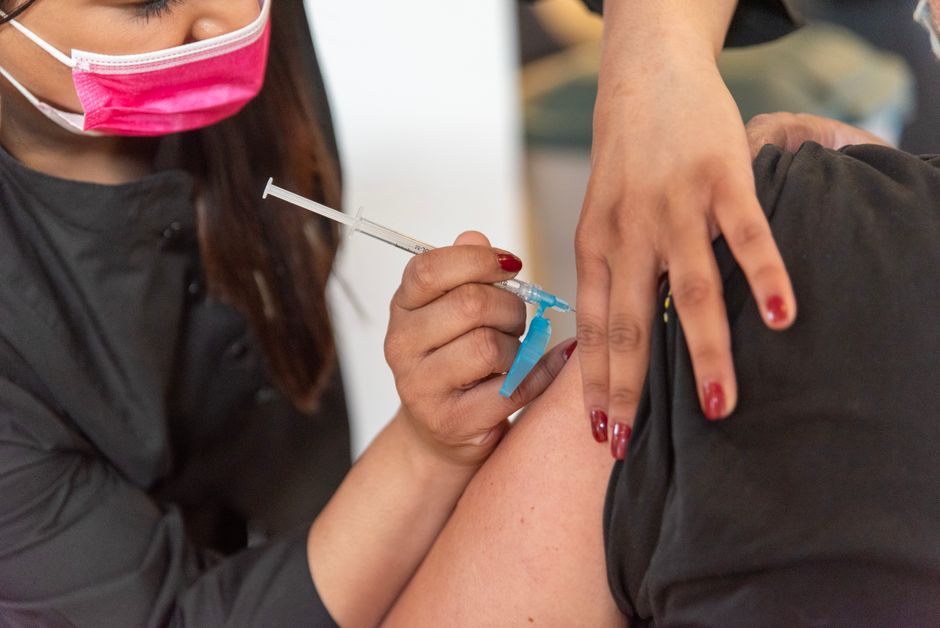
Yes, the COVID-19 vaccine can make you tired, and it is one of the most commonly reported side effects. Fatigue after vaccination is a normal sign that your immune system is responding to the shot and building protection. This tiredness usually begins within 24 to 48 hours after vaccination and typically resolves on its own within a few days.
Why Does The Covid Vaccine Make You Tired
Fatigue after the COVID-19 vaccine is not a sign that something is wrong. It is a sign that your body is doing exactly what it should be doing. The vaccine introduces a harmless piece of the virus — usually the spike protein — to your immune system. Your body recognizes this as foreign and mounts a defense.
That defense takes energy. Your immune system activates white blood cells, produces antibodies, and releases signaling molecules called cytokines. These cytokines are part of the inflammatory response, and they can cause systemic symptoms like fatigue, fever, and muscle aches. This is the same mechanism behind the tiredness you feel when fighting off an actual infection.
The fatigue is temporary. Most people notice their energy levels return to normal within 48 to 72 hours after vaccination. Some people feel tired for only a day. Others may feel more pronounced fatigue, especially after the second dose or a booster shot.
How Common Is Fatigue After The Covid Vaccine
Fatigue is one of the most frequently reported side effects across all COVID-19 vaccines. Clinical trial data and real-world monitoring consistently list fatigue as a top complaint. It is more common after the second dose of the mRNA vaccines than after the first dose. This is because your immune system already recognizes the spike protein from the first dose, so the response to the second dose is stronger and faster.
Younger adults tend to report more side effects, including fatigue, than older adults. This is not because the vaccine is less effective in older people. It simply reflects that younger immune systems often produce a more vigorous response. Women also report side effects more frequently than men, though the reasons for this are not fully understood and may involve hormonal, genetic, and reporting differences.
It is important to note that fatigue is a harmless side effect. It does not indicate that the vaccine is making you sick. It indicates that your immune system is working. The absence of fatigue does not mean the vaccine did not work. Some people have no side effects at all and still develop strong protection.
How Long Does Vaccine Fatigue Last
For most people, fatigue after the COVID-19 vaccine lasts one to two days. It often peaks within the first 24 hours after vaccination and gradually improves. By day three, most people feel back to normal.
Some people experience fatigue that lasts a bit longer, up to a week. This is uncommon but not concerning. If fatigue persists beyond a week or is severe enough to interfere with daily activities, it is reasonable to contact your healthcare provider. Persistent fatigue after vaccination is rare, and it is important to consider other causes if it continues.
There is no evidence that COVID-19 vaccine fatigue causes long-term tiredness or chronic fatigue syndrome. Studies have not found a link between vaccination and persistent fatigue lasting months. If you are experiencing prolonged fatigue, it is far more likely due to another cause, such as a viral infection, sleep issues, or stress.

What To Do If You Feel Tired After The Shot
You do not need to treat vaccine fatigue with anything special. Your body is doing the work of building immunity, and rest is the most helpful thing you can give it. If you can, plan your schedule so you have a lighter day after your vaccination.
- Rest. Listen to your body. If you are tired, sleep. Extra rest supports your immune response.
- Hydrate. Drink water before and after your vaccine. Dehydration can worsen fatigue and headache.
- Eat normally. A regular meal does not interfere with the vaccine. There is no special diet required.
- Use over-the-counter pain relievers if needed. Acetaminophen or ibuprofen can help with fever, headache, or muscle aches. The evidence does not show that taking these medications before the vaccine reduces its effectiveness. Taking them after the vaccine for symptom relief is reasonable. If you have questions about medication, ask your pharmacist or doctor.
Do not take pain relievers before your shot to prevent side effects. This is not recommended because it is unclear whether it might dampen the immune response. Using them afterward to treat symptoms is a different situation and is generally considered acceptable.
Does The Covid Vaccine Make You Tired If You Had Covid Before
People who have had a prior COVID-19 infection often report stronger side effects after their first vaccine dose. This is sometimes called a “primed” immune response. Your immune system already recognizes the virus, so it reacts more quickly and more strongly to the vaccine.
This stronger response can include more noticeable fatigue. It is not dangerous. It is the same immune mechanism at work, just amplified. The fatigue still resolves within a few days. The protection you gain is still valuable, and the side effects do not indicate that the vaccine is less safe for you.
If you had COVID-19 recently, some health authorities recommend waiting a few months before getting vaccinated. This is not because the vaccine is unsafe. It is because your natural immunity from the infection is still active, and waiting allows the vaccine to extend your protection rather than simply adding to it. The exact timing recommendation has varied, so it is best to follow current guidance from your local health department or doctor.
When Should You Be Concerned About Fatigue After The Vaccine
Normal vaccine fatigue is mild to moderate and improves within a few days. There are rare but serious side effects associated with COVID-19 vaccines, and it is important to know the signs. These are not the same as ordinary tiredness.
Seek emergency medical care if you experience any of the following after vaccination:
- Difficulty breathing
- Swelling of the face or throat
- A rapid or racing heartbeat
- Chest pain
- A severe headache that does not improve
- Vision changes or difficulty speaking
These symptoms can indicate a rare allergic reaction, myocarditis, or a blood clotting issue. They are extremely uncommon, but they require immediate medical attention. Ordinary fatigue alone does not warrant an emergency visit.
If you feel tired but otherwise well, there is no reason to seek medical care. Rest, hydrate, and give your body time. The fatigue will pass, and the protection you gain is worth the temporary discomfort.
Does The Covid Vaccine Make You Tired Every Time
Not necessarily. Your reaction to each dose can differ. Some people feel tired after the first dose but not the second. Others feel nothing after the first dose and significant fatigue after the second. Some people never feel tired after any dose.
There is no pattern that predicts your individual response. Each vaccination is a new immune event, and your body may respond differently each time. The absence of fatigue after one dose does not predict your response to the next dose, and it does not indicate that the vaccine failed.
The important point is that fatigue is a normal, expected, and temporary side effect. It is not a sign of harm. It is a sign that your immune system is doing its job. If you know you tend to feel tired after vaccines, plan ahead. Schedule your shot for a day when you can rest afterward. That simple step makes the experience much easier to manage.
Frequently Asked Questions
How long does fatigue last after the COVID vaccine?
Most people feel tired for one to two days after vaccination. Fatigue that lasts longer than a week is uncommon, and you should contact your doctor if it persists.
Is it normal to be very tired after the second COVID shot?
Yes. The second dose often triggers a stronger immune response, which can cause more noticeable fatigue. This is normal and usually resolves within a few days.
Can I take pain relievers for vaccine fatigue?
Yes, you can take acetaminophen or ibuprofen after your shot to treat fever, headache, or muscle aches. Taking them before the vaccine is not recommended.
Does feeling tired mean the vaccine is working?
Fatigue is a sign your immune system is responding, but not feeling tired does not mean the vaccine failed. Both responses can produce strong protection.
