
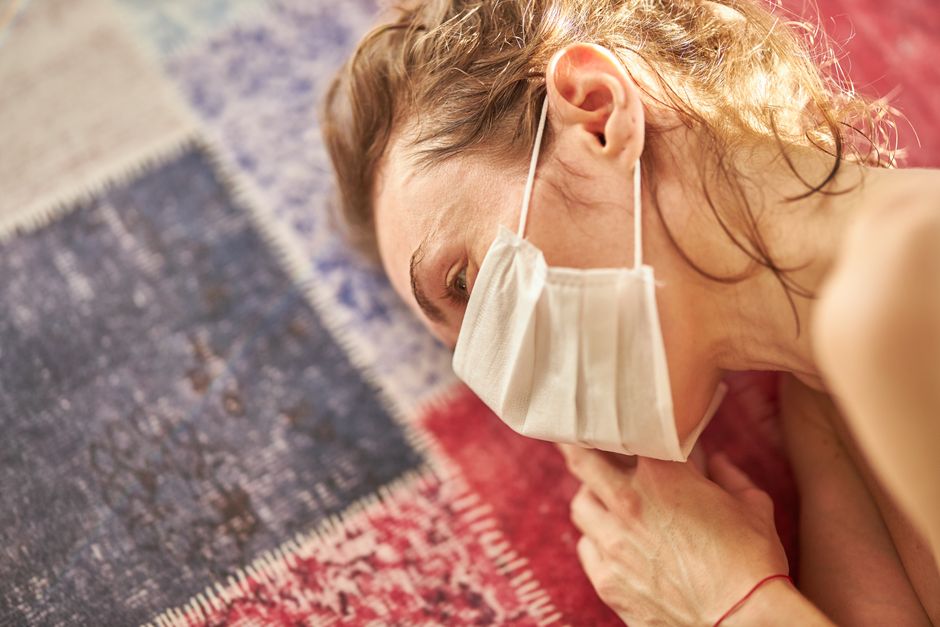
Most people who get COVID-19 now have a mild to moderate illness and can recover at home. The core of home treatment is managing your specific symptoms, resting, and staying hydrated. You should also watch for signs that your breathing is getting worse, as that is the main reason someone with COVID needs hospital care. This guide covers what to take, what to avoid, and which symptoms mean you should call a doctor.
How To Treat Covid At Home Symptoms To Watch
The first step is to figure out which symptoms you actually have. COVID affects people differently. Some have a fever and body aches. Others have a sore throat and a dry cough. Some lose their sense of smell or taste. Your treatment plan should match your symptoms, not a generic checklist.
For fever, body aches, and headaches, over-the-counter pain relievers like acetaminophen (Tylenol) or ibuprofen (Advil, Motrin) are the standard choice. These reduce fever and ease muscle pain. Take them according to the label directions and do not take more than one product containing the same ingredient at the same time. Many cold and flu products already contain acetaminophen, so check labels carefully to avoid doubling up.
For a cough, the right treatment depends on whether it is dry or wet. A dry, hacking cough can be soothed with a suppressant like dextromethorphan (found in many cough syrups). A wet cough with mucus benefits more from an expectorant like guaifenesin (Mucinex), which thins the mucus so you can cough it up. Honey in warm water or tea is also a well-supported home remedy for cough, though you should never give honey to a child under one year old.
For a sore throat, saltwater gargles, throat lozenges, and warm liquids help. For nasal congestion, saline nasal sprays or rinses are safe and effective. Decongestant sprays like oxymetazoline (Afrin) work quickly but should not be used for more than three days in a row, as they can cause rebound congestion.
What To Do If You Have No Symptoms At All
If you test positive but feel fine, you do not need to take any medication. Taking fever reducers or cough medicine when you have no symptoms does nothing useful. The main job is to isolate and monitor yourself. Check your temperature once or twice a day and note how you feel. Some people develop symptoms a few days after a positive test, so stay alert even if day one feels normal.
Rest is not just a suggestion here. Your immune system is actively fighting a virus, and that takes energy. Pushing yourself to work out or keep a full schedule can prolong your illness. Give yourself permission to sleep more and do less. This is one of the most evidence-supported pieces of advice for any viral infection, including COVID.
How To Monitor Your Breathing At Home
Shortness of breath is the symptom that matters most with COVID. It is the primary reason people end up in the hospital. You do not need a medical device to monitor this, though a pulse oximeter can be helpful if you have one. The key is to watch for a change from your baseline.
Pay attention to whether you can finish a full sentence without needing to pause for air. If you can speak in full sentences comfortably, your breathing is likely okay for now. If you find yourself gasping between words, or if you feel like you cannot get enough air even while sitting still, that is a red flag.
A pulse oximeter measures the oxygen saturation in your blood. A normal reading is typically 95% or higher. If your reading drops to 94% or below, or if it drops steadily over several readings, contact a healthcare provider. Readings in the 90s that keep falling are a reason to seek medical attention promptly. However, the device is not a substitute for how you feel. If you are struggling to breathe but your oximeter reads normal, trust your body and call for help.


When To Call A Doctor Or Seek Emergency Care
Most COVID cases resolve at home without medical intervention. But some do not. Knowing the warning signs in advance helps you act quickly instead of hesitating.
Call a doctor if:
- Your fever lasts more than a few days or goes away and then returns.
- Your cough becomes painful or produces bloody mucus.
- You feel dizzy, confused, or unusually weak.
- You have a medical condition like heart disease, diabetes, or a weakened immune system.
Seek emergency care immediately if:
- You have trouble breathing or severe shortness of breath.
- You feel persistent chest pain or pressure.
- Your lips, face, or nail beds look blue or gray.
- You are confused or cannot stay awake.
Do not drive yourself to the emergency room if you are having trouble breathing. Call 911 and tell them you have COVID. This ensures the responders can protect themselves and you receive oxygen support as soon as they arrive.
What About Antiviral Medications Like Paxlovid
Prescription antiviral treatments exist for COVID, and they are not the same as the over-the-counter symptom relievers described above. Paxlovid (nirmatrelvir-ritonavir) is an oral antiviral that reduces the risk of severe illness when taken early in the infection. It is most effective when started within five days of symptom onset.
These medications are not for everyone. They are typically recommended for people at higher risk of severe disease, such as older adults or those with underlying health conditions. They require a prescription, and a doctor will need to check for interactions with other medications you take. Paxlovid in particular has notable interactions with many common drugs, including some cholesterol and blood pressure medications.
If you test positive and you are over 50 or have a chronic condition, call your doctor or a telehealth service right away. Do not wait to see if you get worse. The window for starting antiviral treatment closes quickly, and delaying can make you ineligible for the medication.
What Does Not Work For COVID At Home
There is a lot of misinformation about COVID treatments. Some of it is harmless but useless, and some of it is dangerous. Here is what the evidence does not support.
Antibiotics do not treat COVID. COVID is caused by a virus, and antibiotics only work against bacteria. Taking them for COVID will not help and can contribute to antibiotic resistance. They are only prescribed if a bacterial infection develops on top of COVID, such as pneumonia.
High-dose vitamins and supplements have not been shown to treat an active COVID infection. Zinc, vitamin C, and vitamin D are popular, but clinical trials have not demonstrated that taking them after you get sick shortens the illness or reduces severity. Some research suggests vitamin D deficiency is linked to worse outcomes, but that is different from saying high doses treat the infection. No supplement has been proven to cure or prevent COVID.
Ivermectin and hydroxychloroquine are not approved for treating COVID. Large clinical trials found no benefit from these drugs against the virus. Taking veterinary ivermectin is especially dangerous because those formulations contain ingredients meant for animals, not humans. If a source claims these drugs are a proven cure, that claim is not supported by evidence.
How Long Does Home Recovery Take
Most people feel significantly better within one to two weeks. The fever usually breaks in the first few days. The cough and fatigue often linger longer, sometimes for several weeks. This is normal and does not mean your infection is getting worse.
Some people experience symptoms that last for months. This is called long COVID, and it can happen even after a mild initial illness. Common long COVID symptoms include persistent fatigue, brain fog, shortness of breath, and changes in smell or taste. There is no single test for long COVID, and no standard treatment. If your symptoms persist well beyond the initial infection, a doctor can help you manage them individually.
Returning to normal activity should be gradual. Let your energy levels guide you. If an activity leaves you exhausted the next day, you did too much. Build back slowly over days or weeks rather than trying to jump back to your pre-COVID routine immediately.
When Can You Leave Isolation
Isolation guidelines have changed over time as the virus has evolved. The current direction is that you can leave isolation after five full days if your symptoms are improving and you have been fever-free for 24 hours without using fever-reducing medication. If your symptoms are not improving, or you still have a fever, you should continue to isolate.
After leaving isolation, wearing a mask around others for another five days is generally recommended. This is because you can still be contagious even when you feel better. If you have access to rapid antigen tests, a negative test can provide additional confidence that you are no longer contagious. Some people test positive on rapid tests for a week or more. A positive rapid test usually means you can still spread the virus, regardless of how many days it has been.
Frequently Asked Questions
What is the best medicine to take for COVID at home?
Acetaminophen or ibuprofen for fever and body aches, and cough syrup matched to your cough type, are the standard over-the-counter options. These treat symptoms but do not kill the virus itself.
What does a pulse oximeter reading mean for COVID?
A normal reading is 95% or higher, and a reading of 94% or below warrants a call to a healthcare provider. A steadily dropping reading is a reason to seek medical care even if you feel okay.
How long should I isolate after testing positive for COVID?
The general guideline is five full days from symptom onset or your positive test, provided your symptoms are improving and you have been fever-free for 24 hours. Wear a mask around others for five more days after leaving isolation.
Can I take Paxlovid if I have mild symptoms?
Paxlovid is prescribed based on your risk of severe disease, not just your current symptom severity. It is most effective when started within five days of symptoms, so contact a doctor promptly if you qualify.
