
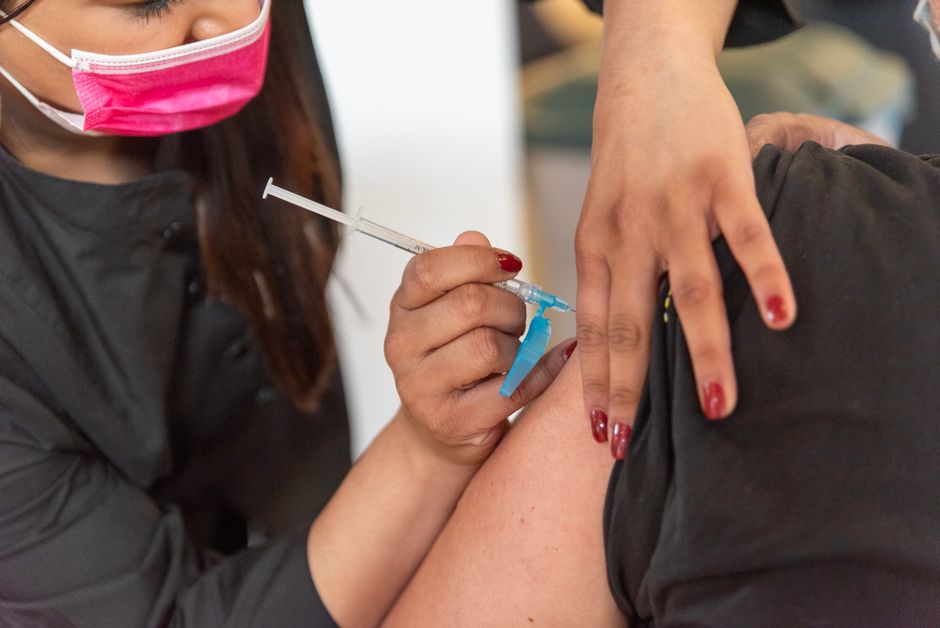
Many pregnant people have asked this question since the vaccines first became available. It is a fair question, and it deserves a clear answer based on the evidence. Studies across multiple countries and millions of pregnancies have found no increased risk of miscarriage linked to COVID-19 vaccines. The data is consistent and reassuring.
What Do Large Studies Show About Miscarriage And Covid Vaccines?
Research consistently shows that COVID-19 vaccines do not increase the risk of miscarriage. Multiple large studies have tracked pregnant people who received the vaccine and compared their outcomes to those who did not. The miscarriage rates were essentially the same in both groups.
One of the largest sources of data comes from vaccine safety monitoring systems that followed hundreds of thousands of pregnant people. These systems found miscarriage rates among vaccinated people that match the expected background rate of miscarriage in the general population. That background rate is roughly 10 to 20 percent of recognized pregnancies.
Some research suggests that getting the vaccine during pregnancy is not just safe — it may be protective. A COVID-19 infection during pregnancy carries real risks, including severe illness and complications. Avoiding the infection is generally safer for both the parent and the baby.
Why Do Some People Believe There Is A Link?
The belief that vaccines cause miscarriage is not new. It has circulated about many vaccines over the years, and COVID-19 vaccines are no exception. Much of this belief stems from anecdotal reports rather than scientific data.
Another reason for confusion involves timing. Miscarriages are common, especially in the first trimester. Many people experience a miscarriage around the same time they received a vaccine, and they assume the two events are connected. But coincidence is not causation. When researchers study large groups of people, they can see that the miscarriage rate does not change after vaccination.
There is also a biological misunderstanding at play. Some people worry that the immune response triggered by the vaccine could harm a pregnancy. The immune system does respond to the vaccine, but the response is similar to what happens with other routine vaccines that have long been considered safe during pregnancy, such as the flu shot and the Tdap vaccine.
How Do Covid Vaccines Work In The Body?
The mRNA vaccines from Pfizer and Moderna do not contain live virus. They instruct cells to produce a harmless piece of the spike protein, which the immune system then learns to recognize. The body clears the mRNA and the protein within a short period.
This process does not target the placenta or the developing fetus. The vaccine components do not travel to the placenta in any meaningful way. The immune response happens mainly in the arm muscle and nearby lymph nodes.
The viral vector vaccine from Johnson & Johnson works differently but also does not contain live virus that can replicate. It uses a harmless adenovirus to deliver instructions for the spike protein. None of the COVID-19 vaccines available in the United States can cause a COVID-19 infection.




Is Covid Infection During Pregnancy More Dangerous Than The Vaccine?
Yes. COVID-19 infection during pregnancy is associated with higher risks of severe illness, hospitalization, and admission to the intensive care unit compared to non-pregnant people of the same age. Pregnant people with COVID-19 also have higher rates of preterm birth and other pregnancy complications.
The risks of the vaccine are minimal. The risks of the infection are documented and significant. This is why major medical organizations recommend COVID-19 vaccination for people who are pregnant, planning to become pregnant, or recently pregnant.
Some studies have also looked at whether the vaccine affects fertility. No evidence indicates that COVID-19 vaccines impair fertility in men or women. This concern has been raised online, but the scientific data does not support it.
What About Miscarriage In The First Trimester Specifically?
Some people worry most about the first trimester, when miscarriage risk is naturally highest. Researchers have specifically studied this window. Data from vaccine safety monitoring systems show no increase in first-trimester miscarriage among vaccinated people.
One large study published in a major medical journal compared vaccinated and unvaccinated pregnant people and found no difference in miscarriage rates during the first trimester. The study followed participants through the full pregnancy and found no increased risk of other complications either.
The first trimester is when many people receive the vaccine if they became eligible early in the pandemic. This timing created a natural experiment. If the vaccine caused miscarriages, the data would have shown it. It did not.
What Do Health Organizations Recommend?
The Centers for Disease Control and Prevention, the American College of Obstetricians and Gynecologists, and the Society for Maternal-Fetal Medicine all recommend COVID-19 vaccination for pregnant people. These organizations base their recommendations on the accumulated safety data.
The CDC continues to monitor vaccine safety in pregnancy through multiple systems, including the Vaccine Adverse Event Reporting System and the v-safe pregnancy registry. These systems have reviewed data from hundreds of thousands of pregnant people.
The recommendations have remained consistent since the vaccines first became available. As more data has accumulated, the recommendations have not changed because of safety concerns. They have changed only to reflect updated knowledge about boosters and new variants.
What Are The Known Side Effects Of The Vaccine In Pregnancy?
The side effects of COVID-19 vaccines in pregnant people are the same as in non-pregnant people. Common side effects include pain at the injection site, fatigue, headache, muscle aches, and fever. These side effects are temporary and usually resolve within a day or two.
A fever after vaccination can be managed with acetaminophen, which is considered safe during pregnancy. Some clinicians recommend taking acetaminophen if a fever develops after vaccination, though you should always discuss this with your healthcare provider.
Serious allergic reactions to the vaccine are rare. They occur at a rate of about 2 to 5 per million doses. This risk is the same for pregnant and non-pregnant people. Vaccine clinics are equipped to handle these rare reactions.
What If I Already Had Covid Before Getting Vaccinated?
Having had a COVID-19 infection provides some natural immunity, but the level of protection varies. Reinfection is possible, and the vaccine provides additional protection even for people who have already been infected.
For pregnant people who have had COVID-19, vaccination is still recommended. The combination of infection and vaccination provides broader and more durable immunity than infection alone. This is sometimes called hybrid immunity.
The safety data for vaccination after infection is the same as for vaccination without prior infection. No increased risk of miscarriage or other pregnancy complications has been identified in this group.
Frequently Asked Questions
Can the Covid vaccine cause miscarriage?
No. Large studies involving hundreds of thousands of pregnant people have found no increased risk of miscarriage linked to COVID-19 vaccination.
Is the Covid vaccine safe in the first trimester?
Yes. Research has specifically examined first-trimester vaccination and found no increased risk of miscarriage or birth defects.
Should I get the Covid vaccine while pregnant?
Major medical organizations recommend COVID-19 vaccination during pregnancy because the risks of infection outweigh the risks of vaccination.
Does the Covid vaccine affect fertility?
No evidence indicates that COVID-19 vaccines impair fertility in men or women. Studies have found no link between vaccination and fertility problems.
