
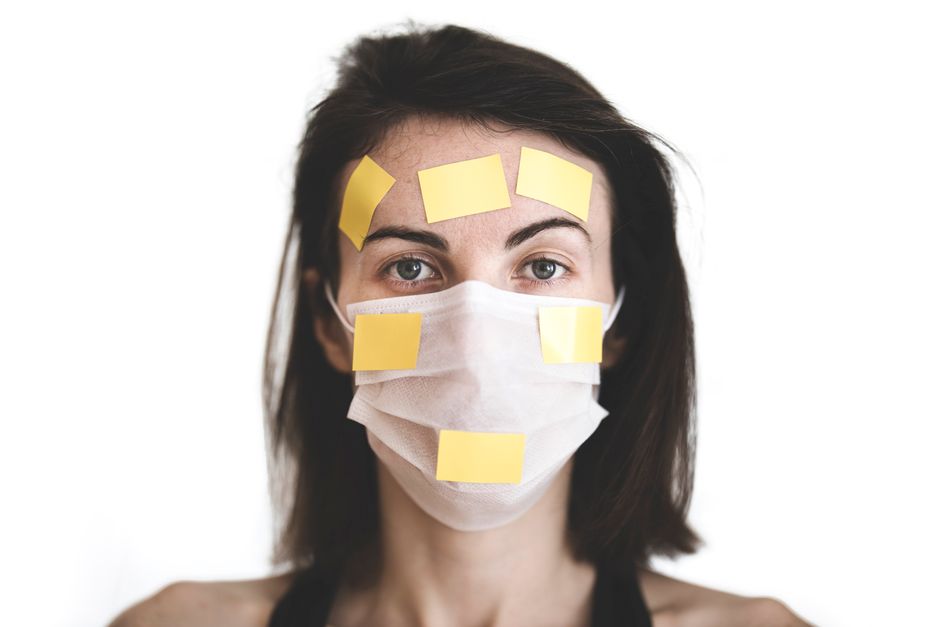
The COVID-19 pandemic did more than change our daily routines. It changed how our bodies handle stress. For many people, that stress showed up in a very specific place: the jaw. The connection between COVID-19 stress and TMJ disorder is real, and it has a clear biological explanation. When stress levels rise, your body responds in physical ways. One of those responses is clenching or grinding your teeth, often while you sleep. That added pressure on the jaw joint can lead to pain, clicking, and restricted movement — the hallmark signs of temporomandibular joint disorder, or TMD.
What Exactly Is TMJ Disorder?
TMJ stands for temporomandibular joint. You have two of these joints, one on each side of your face. They connect your lower jaw, the mandible, to the temporal bones of your skull. These are among the most complex joints in your body. They allow you to open, close, and move your mouth side to side for talking, chewing, and yawning.
TMD is the term for when these joints or the muscles around them stop working properly. It is not a single disease. It is an umbrella term covering several related problems. Some people have pain in the joint itself. Others have pain in the chewing muscles. Still others experience clicking or popping sounds when they open their mouth.
Common symptoms include jaw pain, facial pain, headaches, earaches, difficulty chewing, and a sensation that the jaw is locked or stuck. The pain can be sharp or dull. It can come and go or persist for months. The National Institute of Dental and Craniofacial Research estimates that over 10 million Americans live with some form of TMD, and it is more common in women than in men.
How Does Stress Physically Affect the Jaw?
Stress triggers your body’s fight-or-flight response. This is an ancient survival mechanism. When your brain perceives a threat, it releases hormones like adrenaline and cortisol. These hormones prepare your body to fight or flee. Your heart rate rises. Your muscles tense. Your breathing quickens.
Here is what many people do not realize: the jaw muscles are among the most sensitive muscles in the body to this tension. When you are stressed, you may unconsciously clench your jaw during the day. At night, you may grind your teeth. This is called bruxism. It places enormous force on the temporomandibular joint. Normal chewing exerts about 20 to 30 pounds of pressure per square inch. Clenching can exert up to 250 pounds. That is a massive load on a small joint.
Over time, this repeated pressure inflames the joint and fatigues the muscles. The disc inside the joint — a small cushion of cartilage — can shift out of place. The muscles become sore and tight. The joint itself may develop arthritis-like changes. This is how stress, including pandemic-related stress, becomes a physical jaw problem.
Why Did COVID-19 Specifically Increase TMJ Cases?
Dentists and oral health researchers noticed a pattern during the pandemic. Many patients who had never complained of jaw pain before began showing up with classic TMD symptoms. Several factors converged to make this happen.
First, pandemic stress was chronic, not acute. A single stressful event, like a job interview, passes quickly. The pandemic brought months and years of ongoing worry about health, finances, and family. Chronic stress keeps cortisol levels persistently elevated. That means the jaw muscles stay tense for extended periods rather than relaxing between stressors.
Second, remote work changed posture. Many people spent hours hunched over laptops at kitchen tables. Poor posture affects the alignment of the neck, shoulders, and jaw. Forward head posture places additional strain on the jaw joint. The muscles that support the jaw have to work harder to maintain position.
Third, sleep patterns shifted. Anxiety disrupts sleep quality. Poor sleep is strongly linked to nighttime teeth grinding. People who slept poorly during the pandemic were more likely to grind their teeth at night, even if they never had before.
Fourth, there is a documented link between COVID-19 infection itself and certain symptoms. Some people who had COVID-19 reported jaw pain as part of their symptom picture. This may relate to inflammation or to viral effects on muscles and nerves. However, the evidence here is more limited. The stress-related pathway is much better established than any direct viral effect on the jaw joint.





What Are the Treatment Options for Stress-Related TMD?
Treatment for TMD depends on the severity of the problem and what is driving it. For stress-related TMD, the approach usually combines symptom relief with stress management.
Self-care measures are often the first step. Applying a warm compress to the jaw for 10 to 15 minutes can relax tense muscles. Eating soft foods reduces the workload on the joint. Avoiding extreme jaw movements like wide yawning or chewing gum gives the joint time to recover. Gentle jaw stretching exercises can help restore normal movement.
Stress reduction is not optional here — it is central. If clenching is driven by stress, then lowering stress is the most direct intervention. Cognitive behavioral therapy has shown benefit for chronic pain conditions, including TMD. Mindfulness meditation and breathing exercises can reduce overall tension. Regular aerobic exercise lowers cortisol levels and improves mood.
Dental appliances are commonly recommended. A night guard or splint fits over your teeth and creates a barrier that prevents direct tooth-to-tooth contact. This does not stop you from clenching, but it redistributes the pressure and protects your teeth from wear. Some people find significant pain relief with a well-fitted guard. Others find it helps only marginally. The evidence for night guards is mixed, but they remain a standard part of TMD management.
Physical therapy can be effective. A physical therapist trained in TMD can teach you specific exercises to strengthen and relax the jaw muscles. They may also use manual therapy techniques to release tight muscles and improve joint mobility.
Medications may help in the short term. Over-the-counter nonsteroidal anti-inflammatory drugs like ibuprofen can reduce pain and inflammation. Muscle relaxants are sometimes prescribed for severe clenching. Low-dose antidepressants are used in some cases because they can reduce pain signals and improve sleep. These are short-term tools, not long-term solutions.
Injection treatments like Botox are sometimes used to weaken the jaw muscles and reduce clenching force. The evidence is growing, but it is not universally accepted as a first-line treatment. Some clinicians recommend it when other approaches have failed. It is worth noting that Botox for TMD is not approved by the FDA specifically for this purpose, though it is used off-label.
When Should You See a Professional?
Occasional jaw discomfort after a stressful week is common. It often resolves on its own. But you should not ignore persistent symptoms.
See a dentist or doctor if you have jaw pain that lasts more than a few weeks, if you cannot open your mouth fully, or if you hear clicking or popping that is accompanied by pain. Also seek help if you notice your teeth are becoming worn or chipped, which can indicate nighttime grinding.
A dentist can examine your jaw, check your bite, and identify signs of grinding. They can also rule out other causes of jaw pain. Tooth abscesses, sinus infections, and even certain types of headaches can mimic TMD symptoms. A proper diagnosis matters because the treatment differs for each condition.
For severe cases, a specialist called an oral and maxillofacial pain specialist or an orofacial pain specialist may be needed. These are dentists with additional training in complex jaw disorders. In rare cases, imaging like an MRI or CT scan is used to see the joint structure in detail.
Can TMD From Stress Resolve on Its Own?
Yes, in many cases it can. If the underlying stress is addressed, the clenching often decreases, and the joint has a chance to recover. The body is remarkably good at healing when given the right conditions.
But here is the honest part: TMD can also become a self-perpetuating cycle. The pain itself creates stress. The stress causes more clenching. The clenching causes more pain. Breaking that cycle may require active intervention. This is why stress management is not just a complement to treatment — it is often the core of treatment.
Recovery timelines vary. Some people feel better within weeks of changing their stress habits. Others need months of consistent treatment. There is no reliable way to predict who will recover quickly and who will not. What is clear is that early intervention tends to produce better outcomes than waiting until the joint has sustained significant damage.
Frequently Asked Questions
Can COVID-19 directly cause TMJ disorder?
There is limited evidence that the virus directly affects the jaw joint. The stronger and more established link is through pandemic-related stress, which increases clenching and grinding behaviors that lead to TMD.
How long does TMJ pain from stress typically last?
It varies widely. Some people recover in a few weeks once stress is managed, while others experience symptoms for months. Persistent pain lasting more than a few weeks warrants professional evaluation.
Does wearing a night guard stop jaw clenching?
No, a night guard does not stop the clenching behavior itself. It protects your teeth from damage and redistributes the pressure on your jaw, which can reduce pain even though the muscle activity continues.
What is the fastest way to relieve TMJ pain at home?
Applying a warm compress to the jaw for 10 to 15 minutes and eating soft foods are the quickest self-care measures. Reducing stress through deep breathing or meditation can also help lower the muscle tension driving the pain.
