
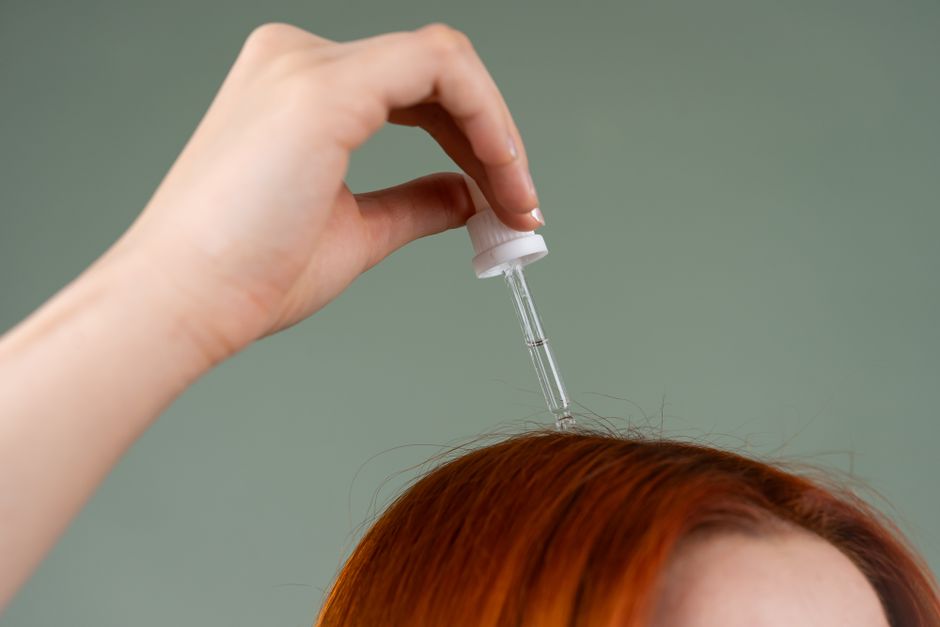
Hair loss in women is often blamed on stress, aging, or genetics. But the real driver is hormonal. The primary hormone responsible is dihydrotestosterone, or DHT. It is a derivative of testosterone that shrinks hair follicles over time. This process, called follicular miniaturization, makes hair thinner and shorter until it stops growing entirely.
Which Hormone Causes Hair Loss in Females?
DHT is the main culprit. It is made when the enzyme 5-alpha-reductase converts testosterone into DHT. Women produce testosterone too, just in smaller amounts than men. When DHT binds to receptors in the scalp, it triggers a chain reaction that shortens the hair growth cycle. The growing phase, called anagen, gets progressively shorter until follicles become dormant.
Not every woman is equally sensitive to DHT. Genetics plays a big role. If your mother or grandmother had thinning hair, you likely inherited follicles that are more vulnerable. Some women have normal DHT levels but still lose hair because their follicles are genetically programmed to react badly to it.
Other hormones can contribute indirectly. Estrogen and progesterone help protect hair. When they drop, as in menopause, the relative impact of androgens like DHT becomes stronger. Thyroid hormones also matter. Both hypothyroidism and hyperthyroidism can cause shedding, though the mechanism is different from DHT-driven loss.
How Does DHT Cause Hair Loss in Women?
DHT attaches to androgen receptors on hair follicle cells. This triggers inflammation and fibrosis, which is scarring of the follicle. Over months and years, the follicle shrinks. The hair that grows back is thinner and lighter in color. Eventually no hair grows at all.
This process is gradual. Most women notice widening of their part line first. The crown may also thin. Unlike men, women rarely go completely bald. The frontal hairline usually stays intact. The pattern is diffuse thinning across the top of the scalp.
Current research suggests that DHT also disrupts the normal signaling between hair follicle cells and the surrounding skin. This starves the follicle of nutrients and growth factors. The result is a slow but steady decline in hair density.
What Hormonal Conditions Trigger Hair Loss in Women?
Polycystic ovary syndrome, or PCOS, is one of the most common causes. Women with PCOS produce excess androgens, including testosterone. This leads to higher DHT levels. Hair thinning on the scalp often accompanies other symptoms like acne, irregular periods, and excess facial hair.
Menopause is another major trigger. As estrogen and progesterone decline, the protective effect against androgens weakens. Testosterone levels do not drop as sharply, so the ratio shifts. More DHT is available to bind to follicles. This is why many women notice thinning in their 50s and 60s.
Pregnancy and postpartum periods also involve massive hormonal shifts. During pregnancy, high estrogen levels keep hair in the growing phase longer. After delivery, estrogen drops sharply. This causes telogen effluvium, a temporary shedding phase. It is not DHT-driven but is still hormonal in nature.
Thyroid disorders can mimic androgenetic alopecia. The hair loss is usually diffuse and reversible with treatment. Blood tests for TSH, T3, and T4 can rule this out. As of 2026, endocrinologists recommend screening thyroid function in any woman presenting with unexplained hair loss.





Can Blocking DHT Reverse Female Hair Loss?
Medications that lower DHT can slow or stop hair loss. They may also stimulate regrowth in some women. The most common DHT blockers are finasteride and spironolactone. They work in different ways.
| Medication | How It Works | Common Use in Women |
|---|---|---|
| Finasteride | Inhibits 5-alpha-reductase, lowering DHT production | Off-label for women, often at 2.5 mg or 5 mg daily |
| Spironolactone | Blocks androgen receptors, reduces testosterone production | Commonly prescribed for PCOS-related hair loss |
| Minoxidil | Stimulates hair growth directly, not a DHT blocker | FDA-approved for women at 2% and 5% topical |
Finasteride is not FDA-approved for women. Many doctors prescribe it off-label. Some studies suggest it works well in postmenopausal women. Premenopausal women are usually advised against it because of the risk of birth defects if they become pregnant.
Spironolactone is more commonly used in women. It is a diuretic that also blocks androgen receptors. Studies have found that doses between 100 mg and 200 mg daily improve hair density over 6 to 12 months. Side effects include dizziness, frequent urination, and high potassium levels.
Minoxidil does not block DHT but is still the first-line treatment for female pattern hair loss. It works by stimulating blood flow and prolonging the growth phase. Many women use it alongside spironolactone for better results.
What Lifestyle Factors Influence DHT and Hair Loss?
Diet matters more than most people realize. High sugar and refined carbohydrate intake can raise insulin levels. Insulin stimulates the ovaries to produce more testosterone. More testosterone means more DHT. This is one reason why PCOS and insulin resistance are linked.
Stress raises cortisol. Cortisol can increase androgen production indirectly. Chronic stress also pushes hair follicles into the resting phase, causing telogen effluvium. This type of hair loss is usually temporary but can unmask underlying DHT sensitivity.
Some people report that certain supplements help lower DHT. Saw palmetto is the most popular. Evidence indicates it may have a mild DHT-blocking effect, but it is much weaker than prescription medications. Pumpkin seed oil and green tea extract are also widely claimed to help, though strong evidence is limited.
Weight management can help. Fat cells produce estrogen, which can throw off the hormone balance. Losing excess weight often improves androgen levels in women with PCOS. This can reduce DHT activity over time.
Common Misconceptions About Hormonal Hair Loss in Women
Many women blame stress for hair loss that is actually genetic. Stress-related shedding is usually diffuse and temporary. If thinning follows a clear pattern on the crown and part line, DHT is likely involved. A dermatologist can tell the difference with a simple scalp exam.
Another misconception is that washing hair frequently causes loss. Hair that falls out in the shower was already shed. It just stayed tangled in the rest of your hair until washing released it. Shampooing does not increase DHT production or follicle damage.
Some women think hair loss means they have too much testosterone. That is not always true. Some women have normal testosterone but high DHT conversion. Others have normal DHT but sensitive follicles. Blood tests help clarify the picture but are not always definitive.
Hair vitamins are not a cure. Biotin, collagen, and other popular supplements only help if you are deficient. Most women are not. Taking extra biotin will not block DHT or reverse miniaturization. It can actually interfere with lab tests for thyroid and heart function.
Frequently Asked Questions About hormone causes hair loss in females
Can low estrogen cause hair loss in women?
Yes. Low estrogen removes the protective effect against androgens, allowing DHT to have a stronger impact on hair follicles.
Does birth control affect hair loss?
Some birth control pills with high androgen activity can trigger or worsen hair loss in women who are genetically prone to it.
Is female hair loss always hormonal?
No. Other causes include thyroid disorders, iron deficiency, autoimmune conditions, and certain medications. A doctor can help identify the root cause.
Can hair grow back after hormonal hair loss?
It depends on how long the follicles have been affected. Early treatment with DHT blockers or minoxidil can stimulate regrowth in many women.
