
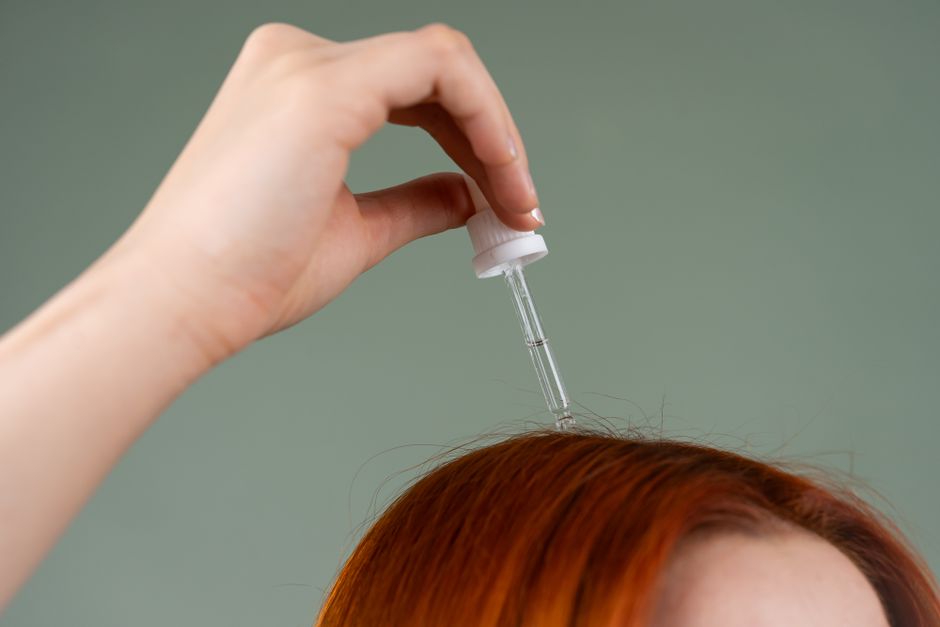
Hair loss affects roughly half of all men by age 50 and about 40% of women by their 60s. Most cases trace back to genetics, hormone shifts, or natural aging. While dozens of medical conditions and medications can trigger hair loss, the most common cause by far is androgenetic alopecia—male-pattern or female-pattern baldness—driven by how follicles respond to androgens in your system.
How Does Androgenetic Alopecia Cause Hair Loss?
Androgenetic alopecia is not about having too much testosterone. It is about how your hair follicles react to dihydrotestosterone or DHT, a hormone converted from testosterone by an enzyme called 5-alpha-reductase. Follicles genetically sensitive to DHT gradually shrink over time. This process is called miniaturization.
As follicles miniaturize they produce thinner, shorter hairs. Eventually they stop producing visible hair altogether. In men this usually starts at the temples and crown. In women it typically shows as diffuse thinning across the top of the scalp. The pattern differs but the mechanism is the same.
Research shows that genetic predisposition plays a major role. If both your parents experienced hair loss your chances increase substantially. The condition is polygenic—meaning multiple genes contribute—not just one simple inheritance pattern.
What Medical Conditions Lead to Hair Loss?
Thyroid disorders frequently cause hair thinning. Both hypothyroidism and hyperthyroidism disrupt the hair growth cycle. Treating the underlying thyroid condition typically restores normal growth over several months.
Autoimmune conditions like alopecia areata cause patchy hair loss when the immune system mistakenly attacks hair follicles. Unlike androgenetic alopecia this creates round bald spots that can appear suddenly. Lupus and other systemic autoimmune diseases may also affect hair growth.
Iron deficiency anemia is a common reversible cause, especially in women. Ferritin levels below 40 ng/mL are associated with increased shedding even when hemoglobin remains normal. Polycystic ovary syndrome or PCOS causes both hair loss on the scalp and excess hair growth elsewhere due to elevated androgens.
Scalp infections like ringworm and inflammatory conditions such as seborrheic dermatitis or psoriasis can damage follicles if left untreated. Scarring alopecia from lichen planopilaris or frontal fibrosing alopecia permanently destroys follicles and requires early intervention.
Can Medications and Treatments Trigger Hair Loss?
Chemotherapy drugs are well known for causing temporary hair loss by attacking rapidly dividing cells including those in hair follicles. Hair typically regrows after treatment ends though texture or color may change.
Blood thinners, beta blockers, antidepressants, and NSAIDs taken long-term can all contribute to shedding. Retinoids used for acne, lithium for bipolar disorder, and anticonvulsants for epilepsy are also associated with hair loss in some individuals.
High doses of vitamin A and anabolic steroids can trigger shedding. Birth control pills may cause hair loss in women sensitive to the hormonal changes, especially when starting or stopping them. Blood pressure medications including ACE inhibitors occasionally cause thinning as a side effect.
If you started a new medication and notice increased shedding within two to four months discuss it with your doctor. The timing can help identify the trigger. Do not stop prescribed medications without medical guidance.





How Do Hormonal Changes Affect Hair Growth?
Pregnancy floods the body with estrogen which prolongs the growth phase of hair. Many women notice thicker fuller hair during the second and third trimesters. After delivery estrogen levels drop rapidly. This triggers a large number of follicles to enter the shedding phase simultaneously—a condition called telogen effluvium.
Postpartum hair loss usually peaks around three to four months after birth. It looks alarming but is temporary. Most women return to their baseline within six to twelve months. Breastfeeding does not cause additional loss beyond this natural process.
Menopause reduces estrogen and allows androgens to exert more influence on follicles. About half of women notice increased thinning during or after menopause. The pattern resembles androgenetic alopecia but often appears later in life.
Testosterone therapy in transgender men or women with hormonal imbalances can accelerate male-pattern baldness in genetically predisposed individuals. Estrogen therapy generally does not reverse existing hair loss but may slow progression.
What Role Does Stress and Diet Play in Hair Loss?
Severe physical or emotional stress can push large numbers of follicles into a resting phase. This is telogen effluvium. Hair falls out two to three months after the stressful event—surgery, high fever, major illness, grief, or crash dieting. The delay confuses many people about the actual trigger.
Chronic stress alone rarely causes significant hair loss despite widespread belief. As of 2026 no robust evidence shows that everyday stress directly damages follicles. Extreme prolonged stress can worsen existing conditions like alopecia areata but the relationship is complex.
Nutritional deficiencies matter. Inadequate protein, iron, zinc, and B vitamins all disrupt hair growth. Restrictive diets under 1200 calories per day often cause noticeable shedding. Vitamin D deficiency is increasingly recognized as a contributor though supplementation benefits remain debated.
Excessive vitamin A from supplements causes hair loss. Biotin supplements are heavily marketed for hair health but only help in rare cases of true biotin deficiency. Most people consuming a varied diet get adequate biotin without supplementation.
Does Hair Styling and Treatment Damage Follicles?
Tight hairstyles like braids, ponytails, buns, and extensions pull on follicles continuously. This creates traction alopecia, especially around the hairline and temples. The pulling damages the follicle anchoring. If caught early and the tension is released hair regrows. Prolonged traction can cause permanent loss.
Chemical relaxers, bleach, and frequent heat styling weaken hair shafts making them prone to breakage. This is not true hair loss from the follicle but broken strands that create the appearance of thinning. The follicle remains capable of producing new hair if damage stops.
Trichotillomania is a psychological condition where individuals compulsively pull out their own hair. It can mimic other forms of hair loss but usually shows irregular patches with hairs of different lengths. Treatment involves behavioral therapy rather than medical intervention for the follicles.
| Cause Type | Reversibility | Time to Regrowth |
|---|---|---|
| Androgenetic alopecia | Treatable but not curable | Ongoing management needed |
| Telogen effluvium | Usually fully reversible | 6-12 months |
| Nutritional deficiency | Reversible with correction | 3-6 months |
| Alopecia areata | Often spontaneous regrowth | Variable, unpredictable |
| Scarring alopecia | Permanent follicle damage | No regrowth |
How Can You Identify the Cause of Your Hair Loss?
The pattern and timeline provide important clues. Gradual thinning over years in a specific pattern suggests androgenetic alopecia. Sudden shedding across the entire scalp points to telogen effluvium. Distinct round bald patches indicate alopecia areata.
A dermatologist can examine your scalp and perform a pull test to see how easily hairs come out. They may check the roots under a microscope. Blood tests can identify thyroid problems, anemia, vitamin deficiencies, or autoimmune markers.
A scalp biopsy is sometimes needed to diagnose scarring alopecia or confirm uncertain cases. The procedure takes a small tissue sample for analysis. Trichoscopy uses a specialized magnifying device to examine follicles and hair shafts without cutting anything.
Keep a timeline of when shedding started and any major life events three to four months prior. Note new medications, illnesses, surgeries, or dietary changes. This history helps your doctor identify reversible triggers.
What Actually Works to Treat Hair Loss?
Minoxidil applied to the scalp is FDA-approved for androgenetic alopecia in both men and women. Studies show it slows loss and promotes some regrowth in about 60% of users. It requires ongoing use. Hair falls out again if you stop. Results take four to six months to become noticeable.
Finasteride is an oral medication for men that blocks the conversion of testosterone to DHT. Research shows it stops progression in about 90% of men and regrows hair in about 65%. It does not work in postmenopausal women and carries risks during pregnancy.
Low-level laser therapy using specific wavelengths stimulates follicles. Some studies suggest modest improvement in hair density though results vary considerably between individuals. Devices range from handheld combs to caps worn for several minutes multiple times per week.
Platelet-rich plasma or PRP involves injecting concentrated growth factors from your own blood into the scalp. Evidence indicates moderate benefit for androgenetic alopecia but protocol standardization is lacking. Multiple sessions are needed and insurance rarely covers it.
Hair transplant surgery moves follicles from dense areas to thinning areas. Results look natural when performed by experienced surgeons but require sufficient donor hair. It does not prevent future loss in untreated areas.
What Should You Avoid When Dealing with Hair Loss?
Ignore products claiming to cure baldness permanently. As of 2026 there is no clinical evidence that essential oils, caffeine shampoos, or collagen supplements restore hair in androgenetic alopecia. Some may moisturize the scalp or temporarily plump hair shafts but they do not affect follicle function.
Be skeptical of before-and-after photos in unregulated advertisements. Lighting, hairstyling, and digital editing dramatically change appearance. Look for peer-reviewed studies not testimonials.
Do not diagnose yourself based solely on internet research. Many conditions cause hair loss and misidentifying the cause delays effective treatment. Self-treating a thyroid condition or autoimmune disease with supplements wastes time.
Avoid supplements marketed specifically for hair growth unless you have a diagnosed deficiency. Most contain generic vitamins at doses you likely already consume. Excess supplementation of certain nutrients including selenium and vitamin A can worsen shedding.
- Check ingredient lists carefully on hair products—some contain hormones or steroids not disclosed prominently
- Do not crash diet or restrict protein intake severely while trying to improve hair health
- Avoid over-washing or aggressive brushing which increases breakage but does not affect follicle health
- Skip expensive scalp treatments that lack any published research on efficacy
- Do not assume hair loss is purely cosmetic—it can signal underlying health issues worth investigating
Frequently Asked Questions About What Causes Hair Loss
Can stress alone cause permanent hair loss?
Severe stress causes temporary shedding called telogen effluvium but does not permanently damage follicles. Hair regrows once the stressor resolves and the growth cycle normalizes within six to twelve months.
Does wearing a hat cause hair loss?
No, hats do not damage follicles or cause hair loss. This is a persistent myth with no scientific basis unless the hat creates extreme constant tension similar to very tight hairstyles.
How much daily hair loss is normal?
Losing 50 to 100 hairs per day is completely normal as part of the natural growth cycle. More than 150 hairs daily or noticeable thinning suggests a problem worth evaluating.
Will hair loss from medication grow back?
Hair loss from most medications reverses within three to six months after stopping the drug. Chemotherapy-related loss typically regrows though texture may temporarily change.
