
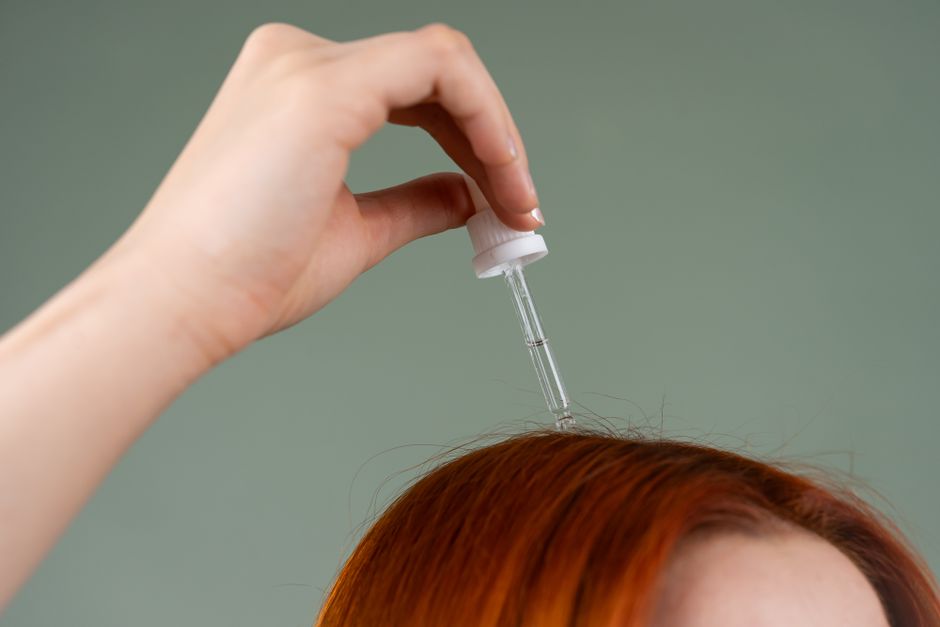
Iron deficiency hair loss looks like diffuse thinning across your whole scalp rather than bald patches or a receding hairline. You might notice more hair in your brush, on your pillow, or in the shower drain. The hair loss is gradual and even, making your ponytail thinner or your part wider. Unlike male pattern baldness, iron deficiency affects your entire head and often comes with other signs like fatigue, pale skin, and brittle nails.
What Does Iron Deficiency Hair Loss Look Like Specifically?
The visual pattern is key. Hair sheds evenly from all over your scalp. You will not see a horseshoe-shaped bald spot or a widow’s peak. What you will see is a general reduction in hair density. Your scalp may become more visible, especially under bright light.
The hair itself changes too. Strands may become thinner and weaker. Some people report their hair feels dry or straw-like. The shedding is not sudden like with telogen effluvium from stress. It is a slow, steady decline over weeks or months. The American Academy of Dermatology notes that iron deficiency is one of the most common causes of hair thinning in women, especially those with heavy menstrual bleeding.
This type of hair loss is reversible. When iron levels return to normal, hair growth usually resumes. But it takes time. Hair grows slowly, about half an inch per month. Visible improvement may take three to six months after iron levels are corrected.
How Do You Know If Iron Deficiency Is Causing Your Hair Loss?
You cannot diagnose this by looking in a mirror. The only reliable way is a blood test. Your doctor will check your ferritin level, which measures your body’s iron stores. Many labs consider ferritin above 20 ng/mL normal. But research published in the Journal of the American Academy of Dermatology suggests hair growth may not improve until ferritin reaches 70 ng/mL or higher.
Other blood markers matter too. Hemoglobin tells you if you are anemic. Serum iron and total iron-binding capacity give a fuller picture. A low ferritin with normal hemoglobin means your iron stores are depleted even if you are not yet anemic. This is common in early-stage deficiency.
Do not guess. Do not start iron supplements based on symptoms alone. Too much iron is dangerous. It can damage your liver and heart. A blood test is simple, inexpensive, and the only way to know for sure. The CDC reports that iron overload affects about 1 in 200 people of Northern European descent, so self-diagnosing is risky.
What Other Symptoms Come With Iron Deficiency Hair Loss?
Hair loss is rarely the only symptom. Your body needs iron to make hemoglobin, which carries oxygen to your cells. When iron is low, every system feels it. Fatigue is the most common complaint. You may feel tired even after a full night’s sleep. Simple tasks like climbing stairs may leave you winded.
Pale skin and pale inner eyelids are another sign. Look at the inside of your lower eyelid in a mirror. It should be pink or red. If it is pale or white, that suggests anemia. You may also notice brittle or spoon-shaped nails. Some people get pica, which is a craving for non-food items like ice, dirt, or starch.
Restless legs syndrome is linked to iron deficiency too. A 2018 study in Sleep Medicine found that low ferritin levels were strongly associated with restless legs. Headaches, dizziness, and cold hands and feet are also common. If you have hair loss plus several of these symptoms, iron deficiency becomes a likely suspect.





What Does the Research Say About Iron and Hair Growth?
The connection between iron and hair growth is well documented but not fully understood. Hair follicles are among the most rapidly dividing cells in your body. They need iron for the enzymes that support cell division. Without enough iron, follicles enter a resting phase called telogen. Hair stops growing and eventually sheds.
A 2020 review in Dermatology Practical & Conceptual examined 11 studies on iron deficiency and hair loss. Most studies found a link between low ferritin and female pattern hair loss. But the quality of evidence varies. Some studies are small. Others do not control for other causes like thyroid problems or hormonal changes.
Research published in the Journal of Cutaneous Medicine and Surgery found that women with chronic telogen effluvium had significantly lower ferritin levels than women with normal hair. The study recommended ferritin testing for all women with unexplained hair thinning. The evidence is strong enough that most dermatologists include iron deficiency in their standard workup for hair loss.
One thing is clear: correcting iron deficiency can reverse hair loss. A 2013 study in the International Journal of Trichology followed women with low ferritin and hair loss. After taking iron supplements for six months, their hair density improved significantly. The key was maintaining ferritin above 40 ng/mL for sustained growth.
How Is Iron Deficiency Hair Loss Different From Other Types?
Knowing the difference helps you get the right treatment faster. Male pattern baldness and female pattern hair loss are genetic. They follow predictable patterns. Men lose hair at the temples and crown. Women get a widening part and thinning at the top of the scalp. Iron deficiency does not follow these patterns.
Telogen effluvium is a temporary shedding triggered by stress, illness, or childbirth. It starts suddenly, usually two to three months after the trigger. Hair comes out in handfuls. Iron deficiency shedding is slower and more gradual. It does not have a clear starting point.
Alopecia areata causes round, smooth bald patches. That is an autoimmune condition, not a nutritional one. Thyroid disorders can cause diffuse thinning similar to iron deficiency. This is why blood tests for thyroid hormones are often done alongside iron tests.
The table below summarizes the key differences:
| Type of Hair Loss | Pattern | Onset | Other Signs |
|---|---|---|---|
| Iron deficiency | Diffuse thinning all over | Gradual, over months | Fatigue, pale skin, brittle nails |
| Male/female pattern | Crown, temples, widening part | Slow, years | Family history, no other symptoms |
| Telogen effluvium | Diffuse shedding | Sudden, after stressor | Recent illness, surgery, or childbirth |
| Alopecia areata | Round bald patches | Sudden | May have other autoimmune conditions |
What Steps Should You Take If You Suspect Iron Deficiency Hair Loss?
Start with your primary care doctor. Ask for a complete blood count and a ferritin test. Do not settle for just hemoglobin. Ferritin is the more sensitive marker for iron stores. If your ferritin is below 30 ng/mL, that is considered deficient by most standards. Some experts recommend treatment below 50 ng/mL for people with hair loss.
If your iron is low, your doctor will recommend supplements. The typical dose is 65 mg of elemental iron (325 mg ferrous sulfate) taken once or twice daily. Take it on an empty stomach with vitamin C for better absorption. Orange juice works. Avoid taking it with coffee, tea, or calcium-rich foods. These block absorption.
Expect side effects. Iron supplements commonly cause constipation, nausea, and dark stools. These are not dangerous but can be uncomfortable. Slow-release formulations are gentler on the stomach. If side effects are severe, ask your doctor about lower doses or every-other-day dosing. A 2015 study in the Journal of the American Medical Association found that taking iron every other day may actually improve absorption compared to daily dosing.
Do not expect overnight results. Hair grows slowly. You will likely stop shedding within two to three months of normal iron levels. New growth will appear as short, fine hairs. Full regrowth takes six months to a year. Be patient. The hair loss is reversible, but it follows the natural hair cycle.
What Common Mistakes Do People Make With Iron Deficiency Hair Loss?
The biggest mistake is self-treating. Iron supplements are not harmless. Taking them when you do not need them can cause iron overload, which damages organs. Hemochromatosis, a genetic condition that causes iron accumulation, affects about 1 in 200 people of Northern European ancestry. You could have it and not know. A simple blood test prevents this risk.
Another mistake is using topical products for a nutritional problem. Hair growth shampoos, serums, and oils will not fix iron deficiency. They might improve hair appearance temporarily, but they do not address the root cause. Save your money and spend it on a blood test instead.
Some people stop supplements too soon. They feel better after a few weeks and assume their iron is fine. But iron stores take months to replenish. Stopping early can cause the hair loss to return. Most doctors recommend continuing supplements for three to six months after ferritin reaches normal levels.
Relying on diet alone for severe deficiency is also misguided. Iron-rich foods like red meat, spinach, and lentils are helpful for maintenance. But if your ferritin is below 30, food alone will not raise it quickly enough to stop hair loss. Supplements are usually necessary for moderate to severe deficiency.
Frequently Asked Questions
Can low iron cause hair loss even if I am not anemic?
Yes. Low ferritin, even without full anemia, can trigger hair loss. Your hair follicles need stored iron to function properly.
How long after taking iron will my hair stop falling out?
Most people notice reduced shedding within two to three months of reaching normal iron levels. Visible regrowth takes longer.
Is iron deficiency hair loss permanent?
No. It is fully reversible once your iron levels are corrected. Hair will regrow as long as the underlying deficiency is treated.
Can birth control pills cause iron deficiency hair loss?
Birth control pills can affect iron levels indirectly by changing menstrual bleeding patterns. Some women experience lighter periods and less iron loss, while others may have breakthrough bleeding that increases loss.
