
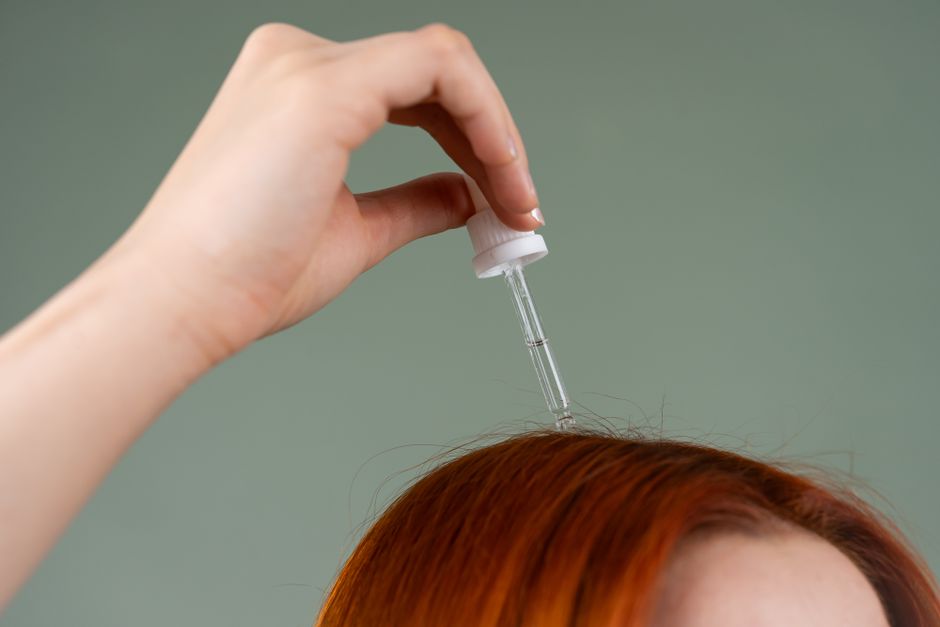
Hair loss in women is rarely about one single thing. Most often, it is a mix of genetics, hormones, and a hidden condition called iron deficiency. The most common type is female pattern hair loss, which is genetic and related to how your body processes androgens. Other major causes include thyroid problems, significant stress or illness, and certain hairstyles that pull on the scalp. The good news is that many of these causes are treatable once you identify the right one. This article breaks down what the evidence actually says about each cause so you can understand what might be happening.
Is Genetics the Main Cause of Hair Loss in Women?
Research shows that genetics play a very large role in female pattern hair loss, also called androgenetic alopecia. This is not the same as male pattern baldness. Women typically experience thinning on the top and crown of the scalp, not a receding hairline. The hairline usually stays intact.
The genetic component is complex. It is not a simple case of inheriting a single gene from one parent. Current research suggests that multiple genes from both parents contribute. If your mother or father had thinning hair, your risk is higher. But you can still get it even if neither parent had obvious hair loss.
This condition is progressive. It usually starts slowly, often around menopause for many women. The hair follicles become sensitive to normal levels of androgens, which are male hormones that women also produce in small amounts. This sensitivity causes the follicles to shrink over time. The hair grows back thinner and shorter until it stops growing entirely in some areas.
There is no cure for the genetic component. But there are treatments that can slow or stop the progression. Minoxidil, commonly known as Rogaine, is the most studied treatment. It does not work for everyone, but it can stimulate hair growth in many women. It works best when started early.
Can Hormone Changes Cause Hair Loss in Women?
Hormones are a very common cause of hair loss in women. The evidence for this is strong. Major hormonal shifts during pregnancy, childbirth, and menopause can trigger shedding. Postpartum hair loss is a classic example. Many women experience dramatic hair loss a few months after giving birth. This is temporary. Hormone levels stabilize, and hair usually grows back within a year.
Menopause is a different story. The drop in estrogen and progesterone changes the balance of androgens in the body. This can unmask a genetic predisposition for hair loss that was dormant before. Some women notice thinning for the first time in their late 40s or 50s. This is not just aging. It is a hormonal shift affecting the hair follicle cycle.
Thyroid hormones are also critical. Both an overactive thyroid and an underactive thyroid can cause hair loss. The hair loss is often diffuse, meaning it happens all over the scalp rather than in one spot. Blood tests for thyroid function are a standard part of any hair loss workup. If your thyroid is the issue, treating it usually stops the hair loss. Regrowth can take several months.
Polycystic ovary syndrome is another hormonal cause. Women with PCOS produce higher levels of androgens. This can lead to thinning hair on the scalp along with other symptoms like acne and excess facial hair. Treating the underlying hormonal imbalance can help, but it is not always a quick fix.
Does Stress Actually Cause Hair Loss in Women?
Yes, but the mechanism is often misunderstood. Stress does not cause permanent hair loss in most cases. It triggers a temporary condition called telogen effluvium. This is a disruption of the normal hair growth cycle.
Here is how it works. Your hair follicles have a growth phase and a resting phase. Under normal conditions, about 90 percent of your hair is growing at any time. Severe stress pushes a large number of follicles into the resting phase at once. About two to three months later, those hairs fall out. This is why people notice hair loss weeks after a stressful event, not during it.
Common triggers for telogen effluvium include:
The hair loss can be alarming. Women often report handfuls of hair in the shower drain. But the condition is self-limiting. Once the trigger is removed, the hair cycle normalizes. Full regrowth usually happens within six to twelve months. No special treatment is needed, though a healthy diet can help.
Chronic stress is different. Prolonged stress can keep your body in a state of inflammation. Some studies suggest this may worsen genetic hair loss over time. But the direct evidence for chronic stress causing permanent hair loss is weaker than for acute stress causing temporary shedding.





What Role Do Nutrition and Diet Play in Hair Loss?
Nutrition is a real factor, but it is often overhyped. The body prioritizes essential functions over hair growth. If you are deficient in certain nutrients, your hair will suffer. But taking extra vitamins when you are not deficient will not help.
Iron deficiency is the most common nutritional cause of hair loss in women. This is especially true for women with heavy menstrual periods or those who follow a vegetarian or vegan diet. Iron is needed to produce hemoglobin, which carries oxygen to hair follicles. Without enough iron, follicles cannot function properly. A simple blood test for ferritin levels can tell you if you are low. Supplementing with iron under medical guidance can reverse the hair loss if deficiency is the cause.
Zinc and vitamin D are also important. Some studies suggest a link between low zinc levels and hair thinning. Vitamin D receptors are present in hair follicles, and low levels have been associated with certain types of hair loss. But the evidence is not as strong as it is for iron. Taking high doses of zinc without a known deficiency can actually cause more hair loss.
Protein is another key factor. Hair is made of a protein called keratin. If your diet is very low in protein, your body will stop producing hair to conserve resources. This is more common in people on restrictive diets or with eating disorders. A balanced diet with adequate protein is usually sufficient.
What does not work? Biotin supplements are hugely popular. Biotin deficiency is extremely rare. Unless you eat a lot of raw egg whites or have a specific medical condition, you are not deficient. Taking biotin will not help hair loss. It can also interfere with lab tests, including thyroid tests.
What Medical Conditions Cause Hair Loss in Women?
Several medical conditions can cause hair loss, and they are often missed. Autoimmune conditions are one category. Alopecia areata is an autoimmune disorder where the immune system attacks hair follicles. It causes patchy hair loss on the scalp and sometimes the entire body. The cause is not fully understood. There is no cure, but treatments like corticosteroid injections can help regrow hair in some cases.
Scalp infections are another cause. Ringworm of the scalp is a fungal infection that leads to scaly patches and hair breakage. It is treatable with antifungal medication. If you have itching and flaking along with hair loss, this is worth checking.
Medications can also trigger hair loss. Some common culprits include:
The hair loss from medications is usually reversible once the drug is stopped. Always talk to your doctor before stopping any prescribed medication.
Trichotillomania is a psychological condition where a person pulls out their own hair. This is more common in younger women but can persist into adulthood. It often requires therapy rather than hair treatments.
Can Hairstyles and Hair Products Cause Hair Loss?
Yes, and this is one of the most preventable causes. Traction alopecia is hair loss caused by constant pulling on the hair. Tight ponytails, braids, cornrows, and weaves are common culprits. The tension damages the hair follicle over time. If caught early, the hair can grow back. If the pulling continues for years, the damage can become permanent.
The signs of traction alopecia are specific. Hair loss happens along the hairline, especially around the temples and forehead. You might notice small bumps or soreness on the scalp. Switching to looser styles can stop the progression. Many women do not realize their hairstyle is the cause until the damage is done.
Heat and chemical treatments also contribute. Repeated use of flat irons, curling irons, and blow dryers can weaken the hair shaft. This leads to breakage rather than true hair loss from the root. The same applies to chemical relaxers, perms, and harsh dyes. The hair breaks off, but the follicle is usually fine. The hair grows back once you stop the damaging treatments.
This type of hair loss is different from genetic or hormonal causes. It is mechanical damage. The solution is straightforward. Give your hair a break from tight styles and high heat. Use gentle products. If you notice thinning at the edges, loosen your ponytail immediately.
Frequently Asked Questions About causes hair loss in women
Can hair loss in women grow back on its own?
It depends on the cause. Temporary shedding from stress, pregnancy, or illness usually grows back within a year. Genetic hair loss and scarring alopecia are permanent without treatment.
What blood tests should I get for hair loss?
A standard workup includes a complete blood count, ferritin for iron stores, thyroid function tests, and sometimes a hormone panel. Your doctor may also check vitamin D and zinc levels.
Does washing hair more often cause hair loss?
No. Washing your hair does not cause hair loss. The hair that falls out in the shower was already shed from the follicle. If you wash less often, the loose hairs just accumulate and fall out during the next wash.
Is hair loss in women always a sign of something serious?
No. Most cases are due to genetics or temporary stress. But it can be an early sign of an underlying medical condition like thyroid disease or iron deficiency. A checkup is reasonable if the loss is sudden or patchy.
