
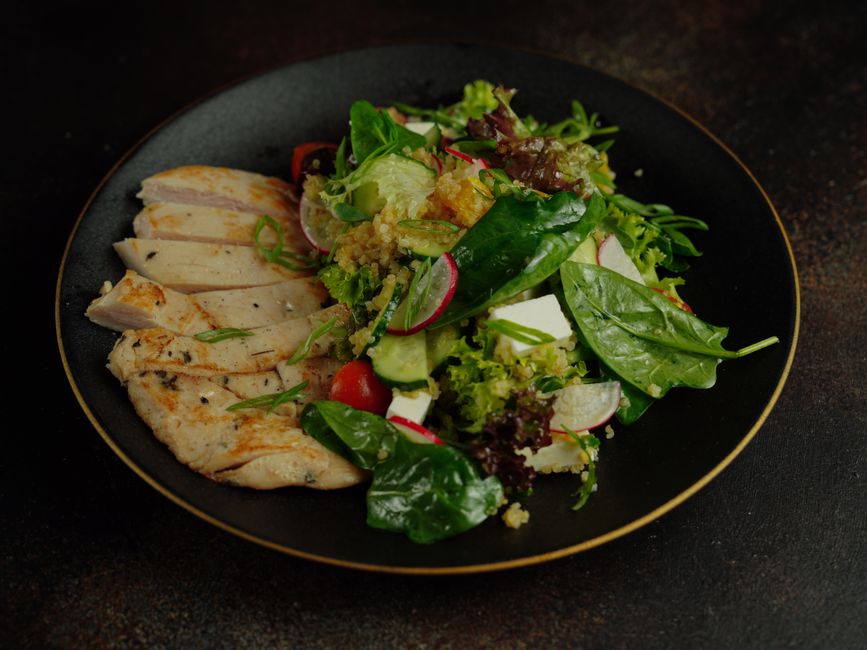
Chicken breast has more protein per ounce than most beef cuts, but the answer changes depending on which cuts you compare. A skinless chicken breast delivers about 31 grams of protein in a 3.5-ounce cooked portion, while a lean beef cut like top sirloin provides roughly 29 grams in the same amount. Higher-fat beef cuts drop lower because fat takes up weight that protein would otherwise occupy.
That is the short version. The longer version depends on what you actually put on your plate, how you cook it, and what else you are trying to get from your meal. Protein content is only one part of the comparison, and for many people it is not the most important part.
Which Has More Protein Chicken Or Beef by Cut and Serving Size
Per 3.5 ounces (100 grams) of cooked meat, skinless chicken breast sits at the top of the protein list. Lean beef cuts come close. Fatty cuts fall behind. The gap is real but not enormous.
Here is how common cuts compare using USDA nutrient data for cooked, 3.5-ounce portions:
| Cut | Protein | Fat |
|---|---|---|
| Chicken breast, skinless | ~31 g | ~3.6 g |
| Chicken thigh, skinless | ~25 g | ~9 g |
| Beef, top sirloin, lean | ~29 g | ~8 g |
| Beef, 90% lean ground | ~26 g | ~10 g |
| Beef, 80% lean ground | ~22 g | ~17 g |
| Beef, ribeye | ~24 g | ~21 g |
Chicken breast wins on protein density. It also wins on protein-per-calorie, which matters if you are watching total intake. A 3.5-ounce serving of chicken breast has roughly 165 calories. The same amount of ribeye runs closer to 290 calories, mostly from fat.
But “chicken” is not one food. Dark meat chicken has less protein and more fat than white meat. Fried chicken with skin and breading changes the numbers entirely. The same logic applies to beef: a lean sirloin and a fatty brisket are not close relatives nutritionally.
Does Cooking Method Change the Protein Content?
Cooking does not add or remove protein from meat. It changes water content, which changes the weight of your serving. That shift affects how the numbers look on a per-ounce basis.
When you cook meat, it loses water. A raw 4-ounce chicken breast might weigh 3 ounces after cooking. The protein grams stay the same, but they are now packed into a lighter piece of food. This is why nutrition labels specify whether the weight is raw or cooked. Mixing the two up is one of the most common mistakes in tracking protein intake.
Grilling, baking, and pan-searing all cause similar water loss. Boiling and braising can cause slightly more. None of these methods destroy protein in any meaningful way. Very high heat can create compounds linked to health concerns, but that is a separate issue from protein content.
What does change protein content is what you add. Breading, marinades with sugar, and creamy sauces add calories without adding much protein. A grilled chicken breast and a fried chicken sandwich may share a name, but they are different foods from a nutrition standpoint.
Is Beef Protein Better Than Chicken Protein?
Both are complete proteins, meaning they contain all nine essential amino acids your body cannot make on its own. In terms of amino acid profile, neither has a meaningful advantage for most people.
Beef does provide more of certain nutrients. It is a stronger source of heme iron, zinc, and vitamin B12. Heme iron is the form your body absorbs most easily. This matters for people at risk of iron deficiency, particularly menstruating women. The iron in chicken is present but in smaller amounts.
Chicken tends to be lower in saturated fat, especially the breast. That difference is relevant for people managing cholesterol or heart health. The evidence linking saturated fat to cardiovascular risk is not as simple as it was once presented, but most major health organizations still recommend keeping saturated fat intake moderate.
One clarification worth making: the idea that beef is “harder to digest” than chicken is not well supported. Both are digested efficiently by healthy people. What some people experience is discomfort from the higher fat content in certain beef cuts, not from the protein itself.




How Much Protein Do You Actually Need?
The Recommended Dietary Allowance for protein is 0.8 grams per kilogram of body weight per day for most adults. For a 150-pound person, that works out to about 54 grams daily. This is the amount needed to prevent deficiency, not necessarily the amount for optimal health.
People who lift weights, are recovering from illness, or are over age 65 often benefit from more. Some research suggests higher intakes help preserve muscle mass with age. The exact optimal amount is still debated, and recommendations vary between 1.0 and 1.6 grams per kilogram for these groups.
For context, a single 3.5-ounce chicken breast provides about 31 grams of protein. That is more than half the daily RDA for a 150-pound adult in one serving. Meeting protein needs is rarely difficult for people who eat meat regularly.
Whether that protein comes from chicken or beef matters less than total intake, overall diet quality, and whether you are eating enough of it consistently. Swapping between the two based on taste or budget will not make or break your nutrition.
Which Is the Better Choice for Weight Loss?
Chicken breast is generally the more efficient choice if weight loss is the goal. It delivers more protein per calorie, which helps with satiety and muscle preservation during a calorie deficit.
Protein takes more energy to digest than fat or carbohydrates. It also tends to keep you full longer. Getting 30 grams of protein from chicken breast costs you about 165 calories. Getting the same 30 grams from 80% lean ground beef costs closer to 225 calories. Over a day, those differences add up.
That said, lean beef can absolutely fit into a weight loss plan. The problem is portion size and preparation. A 6-ounce ribeye with a baked potato and butter is a very different meal than a 4-ounce sirloin with vegetables. Both contain beef. Only one supports a calorie deficit.
If you prefer beef and eat it in reasonable portions, there is no strong reason to switch. Adherence matters more than optimization. The best protein source is the one you will actually eat consistently.
Tips for Getting More Protein From Either Meat
Small choices add up. Here are practical steps that apply whether you choose chicken, beef, or both:
- Choose lean cuts when possible. Skinless chicken breast, top sirloin, and 90% lean ground beef give you more protein per calorie.
- Watch the marinades and sauces. Sugar-based glazes and creamy dressings add calories without adding protein.
- Weigh your food cooked, not raw, if you are tracking. The difference can be 20-30% of the weight.
- Pair meat with other protein sources. Greek yogurt, eggs, beans, and lentils help you hit your target without relying on one food.
- Do not overlook canned chicken and beef. They are convenient and have similar protein content to fresh, though sodium is often higher.
If you are comparing costs, chicken is usually cheaper per gram of protein than beef. That gap has narrowed at times depending on the market, but chicken breast remains one of the most affordable protein sources available.
One more thing worth knowing: organic and grass-fed labels do not meaningfully change protein content. They may affect fat composition slightly, but the protein grams stay roughly the same. Paying more for these labels is a choice about farming practices and personal values, not about getting more protein.
Frequently Asked Questions
Which has more protein, chicken or beef?
Skinless chicken breast has slightly more protein per ounce than most beef cuts, at about 31 grams per 3.5 ounces cooked. Lean beef like top sirloin is close behind at roughly 29 grams.
Is beef or chicken better for building muscle?
Both support muscle growth effectively because both are complete proteins with all essential amino acids. Total daily protein intake matters more than which meat you choose.
Does chicken have more protein than ground beef?
Yes, skinless chicken breast has more protein than most ground beef. A 3.5-ounce serving of 80% lean ground beef has about 22 grams, while chicken breast has about 31 grams.
How much protein is in 100 grams of chicken vs beef?
Cooked skinless chicken breast provides about 31 grams of protein per 100 grams. Lean beef cuts like top sirloin provide about 29 grams, while fattier cuts provide less.
