
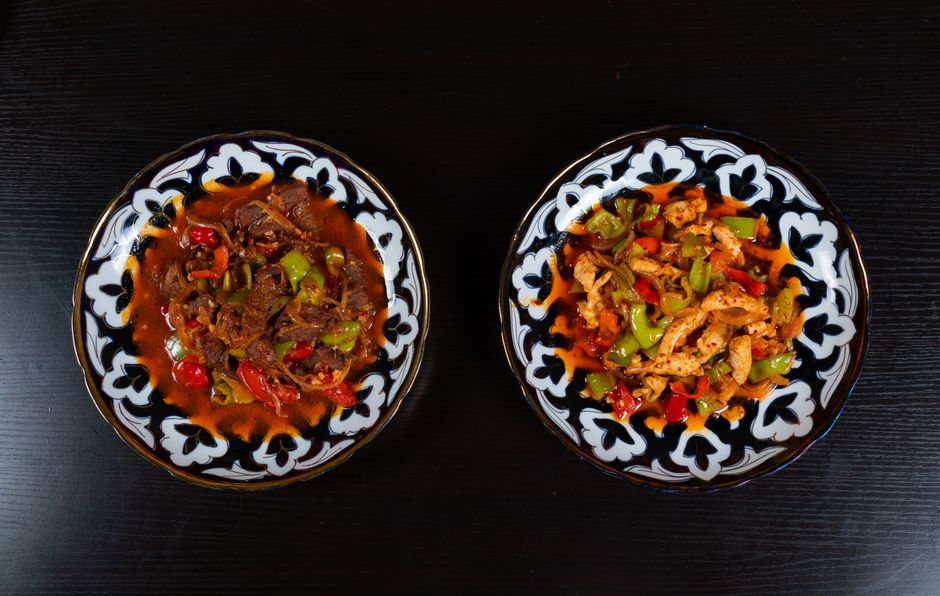
Beef and chicken are close enough in protein that the winner depends on the cut, not the animal. A skinless chicken breast delivers about 31 grams of protein per 100 grams cooked, while cooked lean beef generally lands between 26 and 31 grams per 100 grams depending on the cut. On a per-ounce basis, that gap is small enough that most people choosing between the two are not making a meaningful protein decision at all.
What actually separates them is fat, calories, iron, and cost. Those differences matter far more than the protein number most people are searching for.
Does Beef or Chicken Have More Protein Per Serving?
Gram for gram, the leanest cuts of each are nearly tied. The confusion comes from comparing a chicken breast to a beef ribeye, which is not a fair protein comparison.
Here is how common cuts stack up per 100 grams cooked:
| Food (cooked, 100g) | Protein | Fat | Calories |
|---|---|---|---|
| Chicken breast, skinless | ~31g | ~3.6g | ~165 |
| Chicken thigh, skinless | ~25g | ~8g | ~180 |
| Beef, top sirloin, lean | ~29g | ~8g | ~200 |
| Beef, 90% lean ground | ~26g | ~10g | ~200 |
| Beef, ribeye, trimmed | ~24g | ~21g | ~290 |
Chicken breast edges out most beef cuts on protein density. But lean beef is not far behind, and it brings nutrients chicken does not.
Portion size matters too. A 6-ounce chicken breast and a 6-ounce sirloin are both large servings of protein. Most adults need roughly 0.8 grams of protein per kilogram of body weight per day as a minimum, according to long-standing national dietary guidance. That works out to about 54 grams daily for a 150-pound adult. Either meat covers that easily in one sitting.
Why the Cut Matters More Than the Animal
The protein content of any meat depends on how much water and fat it contains. Muscle tissue is roughly 20 to 22 percent protein by weight when raw. The rest is water, fat, and connective tissue.
When you cook meat, water evaporates and the protein becomes more concentrated by weight. A raw chicken breast might show 23 grams of protein per 100 grams. After cooking, that same 100 grams shows closer to 31 grams. This is why cooked and raw numbers never match, and why comparing them is a common source of confusion.
Fat content works in the opposite direction. Fat adds weight and calories without adding protein. A heavily marbled cut like ribeye has more fat, so a 100-gram portion contains less protein than a lean cut of the same weight.
This is also why ground beef labels matter. A 90% lean ground beef has far more protein per gram than a 70% lean version. The animal is the same. The cut and fat ratio drive the number.
Is Chicken Healthier Than Beef?
Chicken is not automatically healthier. It depends on the cut and how it is prepared.
Skinless chicken breast is lower in saturated fat and calories than most beef. For someone managing cholesterol or watching calorie intake, that is a real advantage. But lean beef cuts like sirloin, tenderloin, and 95% lean ground beef are also relatively low in saturated fat.
The bigger difference is often preparation. Fried chicken has more fat and calories than a grilled sirloin. A beef burger on a white bun with cheese is not the same nutritional picture as a plain grilled steak.
Beef does have one clear nutritional edge: iron and zinc. Red meat contains heme iron, a form the body absorbs more efficiently than the non-heme iron found in chicken and plants. It also provides more zinc per serving. For people at risk of iron deficiency, that difference is not trivial.
Chicken, on the other hand, tends to be lower in saturated fat across the board, not just in the leanest cuts. That consistency makes it easier to fit into a heart-conscious eating pattern without careful label reading.





Which Has More Protein Per Calorie?
Chicken breast wins this comparison clearly. It delivers roughly 31 grams of protein for about 165 calories. That is an unusually efficient ratio.
Lean beef is close but not equal. A lean sirloin at about 200 calories for 29 grams of protein is still a strong source, but it costs more calories for a similar protein payoff. Fattier beef cuts fall further behind, since much of their calorie load comes from fat rather than protein.
For anyone trying to hit a protein target while staying within a calorie budget, skinless chicken breast and other very lean poultry cuts are hard to beat. That is why they show up so often in body composition research and sports nutrition guidance.
But protein per calorie is not the only measure of a food’s value. Beef’s iron, zinc, and B12 content do not show up in that ratio, and they matter for many people.
Does the Type of Protein Matter for Muscle Building?
Both beef and chicken are complete proteins. They contain all nine essential amino acids the body cannot make on its own. For muscle repair and growth, both support the same basic process.
Research on protein quality generally treats animal proteins as highly digestible and effective for stimulating muscle protein synthesis. Beef and chicken are both in that category. The difference between them for muscle building is small and mostly comes down to total protein intake and overall diet, not the specific animal.
What does matter is getting enough protein across the day, not just at one meal. Spreading intake across meals appears to support muscle maintenance better than concentrating it all at dinner. That is a pattern question, not a beef-versus-chicken question.
Some evidence suggests that very lean protein sources may be slightly less satisfying than fattier ones, which could affect how much you eat overall. The evidence here is mixed and not strong enough to make firm recommendations.
Cost, Availability, and Practical Considerations
Protein content aside, cost often decides what ends up on the plate. Chicken breast is typically cheaper per gram of protein than most beef cuts in the US. Ground beef sits somewhere in the middle, and premium cuts like ribeye or tenderloin cost the most.
Cooking method affects the final numbers too. Grilling, roasting, and poaching preserve protein content while adding little fat. Frying adds fat and calories that change the nutritional profile significantly.
Both meats fit into a balanced diet. The choice between them is less about protein and more about what else you need — iron, lower saturated fat, budget, or taste. For most people, eating a mix of both covers more nutritional ground than sticking to one.
Frequently Asked Questions
Does beef or chicken have more protein per 100 grams?
Skinless chicken breast has slightly more protein at about 31 grams per 100 grams cooked, compared to roughly 26 to 31 grams for lean beef cuts. The difference is small and depends heavily on the specific cut and fat content.
Is beef better than chicken for building muscle?
Neither is clearly better for muscle building. Both are complete proteins with all essential amino acids, and total daily protein intake matters more than which animal it comes from.
Which is healthier, beef or chicken?
It depends on the cut and preparation. Skinless chicken is generally lower in saturated fat and calories, while lean beef provides more iron and zinc. Both can fit into a healthy diet.
Is chicken easier to digest than beef?
Chicken is often described as easier to digest because it tends to be leaner and has less connective tissue than many beef cuts. Individual tolerance varies, and there is no strong evidence that one is universally easier on digestion than the other.
