
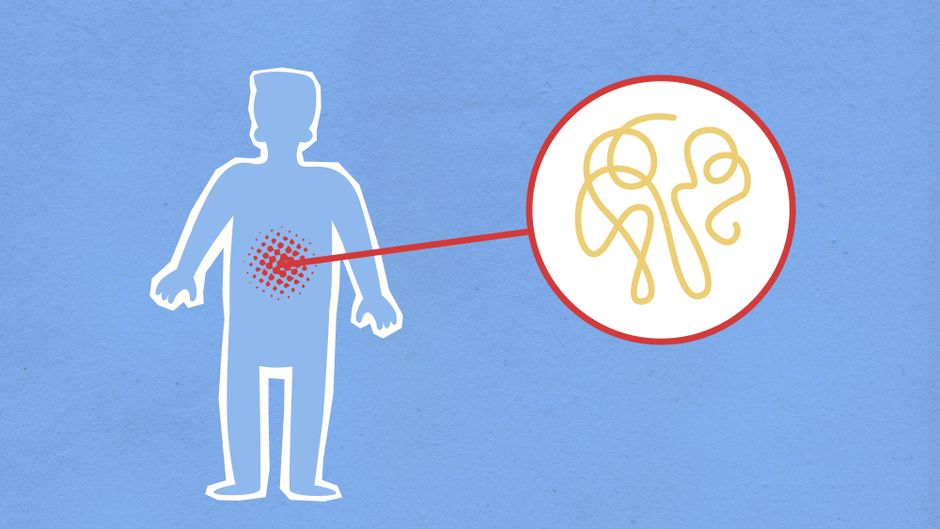
Protein digestion begins in your stomach and finishes in your small intestine. The stomach breaks proteins apart with acid and an enzyme called pepsin. The small intestine then finishes the job with enzymes from the pancreas and the intestinal lining. The amino acids that result are absorbed into your blood through the wall of the small intestine.
That is the short answer. The details of how each stage works, and what can go wrong, are worth knowing because protein is the one nutrient your body cannot store the way it stores fat or glycogen.
Where Does Digestion of Proteins Occur?
Protein digestion happens in two main places: the stomach and the small intestine. The mouth plays almost no role. Chewing breaks food into smaller pieces, but human saliva contains no enzymes that meaningfully break down protein.
The stomach is where the process starts in earnest. Specialized cells in the stomach lining release hydrochloric acid, which drops the stomach’s contents to a pH of about 1.5 to 3.5. That acid does two things. It kills most bacteria that came in with the food, and it unfolds the tightly coiled protein molecules so enzymes can reach them.
The same stomach cells that release acid also release a precursor called pepsinogen. Acid converts pepsinogen into pepsin, the active enzyme that snips proteins into shorter chains called peptides. Pepsin works best in that acidic environment, which is why it stops working once it leaves the stomach.
By the time food leaves the stomach, it has been turned into a semi-liquid paste called chyme. Most protein at this point is still in the form of peptides, not single amino acids. The small intestine handles the rest.
What Happens to Protein in the Small Intestine?
The small intestine is where protein digestion is completed. The first segment, the duodenum, receives two important inputs at once.
The pancreas releases enzymes into the duodenum through a duct. The main ones for protein are trypsin, chymotrypsin, elastase, and carboxypeptidase. These are released in inactive forms and then activated in the intestine, which protects the pancreas from digesting itself.
The lining of the small intestine also produces enzymes, including aminopeptidases and dipeptidases. These work on the surface of the intestinal cells, breaking short peptides down into single amino acids and small two- or three-amino-acid units.
This division of labor matters. Pepsin alone cannot finish the job. People who have had part of their stomach removed can still digest protein because the pancreatic and intestinal enzymes do most of the final work.
How Amino Acids Get Absorbed
Once proteins are broken into single amino acids and very short peptides, they are absorbed through the lining of the small intestine. Single amino acids cross using specific transporter proteins, each tuned to certain types of amino acids. Some dipeptides and tripeptides are absorbed whole and then broken apart inside the intestinal cells.
From there, the amino acids enter the bloodstream and travel to the liver through the portal vein. The liver sorts them and sends them out to the rest of the body. Your cells then use them to build the proteins your body actually needs, such as muscle, enzymes, and immune molecules.
How Long Does Protein Digestion Take?
Protein takes longer to leave the stomach than carbohydrate does. A mixed meal generally empties from the stomach over roughly two to four hours, and protein tends to sit toward the longer end of that range compared with simple carbohydrates.
Total digestion and absorption of a meal is usually complete within about four to six hours, though this varies with meal size, fat content, and individual factors. Fat slows stomach emptying, so a fatty meal with protein will take longer than a lean one.
It is worth being clear that these are general ranges, not fixed numbers. Gastric emptying varies widely between people and even in the same person from day to day. No clinical guideline sets a specific digestion time for an individual.


Do You Need to Combine Foods to Get Complete Protein?
No. The idea that you must carefully pair foods at every meal to form “complete” protein is not supported by how the body actually works.
Proteins are made of 20 amino acids. Nine of these are called essential because your body cannot make them, so they must come from food. A “complete” protein contains all nine in useful amounts. Animal foods like meat, eggs, and dairy are complete. Most single plant foods are lower in one or more essential amino acids.
The key point is timing. Your body maintains a pool of amino acids in the blood and tissues. It does not require all nine essential amino acids to arrive in the same meal. Eating a variety of plant proteins across the day supplies what you need. This is the position held by major nutrition and dietetics bodies.
So beans at lunch and rice at dinner still work. The old rule about combining them at the same sitting is outdated.
What Can Go Wrong With Protein Digestion?
Problems with protein digestion come from several different directions, and they do not all look the same.
Low stomach acid can reduce pepsin activity. Some clinicians treat this with acid-suppressing medication, and some research suggests long-term use may affect protein breakdown to a degree. The clinical significance of this is debated, and it does not mean everyone on acid reducers has a protein problem.
Pancreatic insufficiency is a clearer case. When the pancreas does not release enough digestive enzymes, protein digestion suffers. This happens in conditions like chronic pancreatitis and cystic fibrosis. It is diagnosed with specific tests, not guessed at.
Celiac disease damages the small intestine lining, which reduces the surface area available for absorbing amino acids. This is a specific autoimmune condition, not a general sensitivity.
Common symptoms that can point to a protein digestion problem include bloating, gas, and fatty stools. These symptoms are not specific. Many conditions produce them, so they cannot be used to self-diagnose a protein issue. A doctor can order tests to sort out the cause.
Does Cooking Affect Protein Digestion?
Cooking generally makes protein easier to digest, not harder. Heat unfolds protein molecules, a process called denaturation. Unfolded proteins are more accessible to pepsin and the pancreatic enzymes.
This is why cooked eggs are more digestible than raw ones. The same principle applies to meat and fish. Very high heat, such as charring or deep frying, can create compounds that are a separate health concern, but that is a different issue from digestibility.
Some people claim raw protein is superior for muscle building. The evidence does not support this. Cooking tends to improve how much protein your body can actually absorb from a food.
Do Protein Powders and Supplements Digest Differently?
Protein powders are digested through the same pathway as food protein. They still go through the stomach and small intestine. The main difference is speed.
Whey protein is a soluble, fast-digesting protein. It leaves the stomach relatively quickly. Casein, the other main milk protein, clots in the stomach and digests more slowly. These differences are real and measurable, but their practical importance for most people is modest.
Enzyme supplements marketed for protein digestion are a different matter. Some contain proteases, the class of enzymes that break down protein. The evidence that these products improve digestion in healthy people is limited. For people with a diagnosed enzyme deficiency, prescription enzyme replacement is a medical treatment, not a supplement. Anyone considering an enzyme product should talk to a doctor first.
Why Protein Digestion Matters for Your Health
Your body does not store protein the way it stores fat. There is no protein reserve to draw on when intake falls short. When you do not eat enough, your body breaks down muscle and other tissues to get the amino acids it needs.
That is why protein digestion and absorption matter across your whole life, not just for athletes. Older adults in particular tend to lose muscle mass with age, and getting enough digestible protein supports maintaining it. The exact amount each person needs varies with body size, activity, and health status, and it is best discussed with a clinician rather than guessed.
The takeaway is simple. Protein digestion starts in the stomach with acid and pepsin, and finishes in the small intestine with pancreatic and intestinal enzymes. The amino acids are then absorbed into the blood. For most healthy people, this system works without any planning or special products.
Frequently Asked Questions
Where does protein digestion begin?
Protein digestion begins in the stomach, where hydrochloric acid unfolds protein molecules and the enzyme pepsin starts breaking them into shorter chains. The mouth plays a negligible role because human saliva contains no protein-digesting enzymes.
Where are amino acids absorbed?
Amino acids are absorbed through the lining of the small intestine. From there they enter the bloodstream and travel to the liver through the portal vein.
How long does it take to digest protein?
A mixed meal generally leaves the stomach over about two to four hours, with protein tending toward the longer end, and complete digestion and absorption usually finishes within roughly four to six hours. These are general ranges and vary widely between people.
Do you need to combine plant foods to get complete protein?
No. Your body maintains a pool of amino acids and does not require all nine essential amino acids to arrive in the same meal. Eating a variety of plant proteins across the day supplies what you need.
