
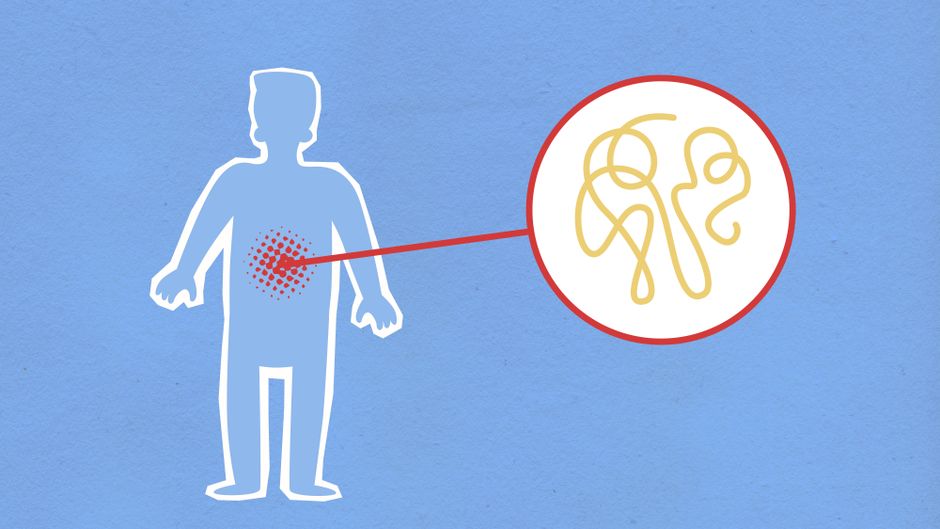
Digestion starts in the mouth. The moment food touches your tongue, mechanical and chemical digestion begin. Teeth break food into smaller pieces, saliva moistens it, and an enzyme called salivary amylase starts breaking down starch. That first step shapes everything that follows.
Does Digestion Start in the Mouth or the Stomach?
The mouth is where digestion begins. This is not a technicality. It is a functional fact with real consequences for how well your body extracts nutrients from food.
Salivary amylase is the first digestive enzyme your food meets. It breaks starches into smaller sugar molecules called maltose and dextrins. This process starts within seconds of chewing. It continues as long as food stays in your mouth and briefly after you swallow, until stomach acid deactivates the enzyme.
Mechanical digestion matters just as much. Chewing increases the surface area of food, which gives enzymes more places to work. Swallowing large, unchewed pieces puts more burden on the stomach and can slow the whole process down.
The stomach does not begin digestion. It continues it. Stomach acid and the enzyme pepsin primarily digest proteins. By the time food reaches the stomach, the mouth has already done meaningful work on starches and fats.
What Happens During Digestion in the Mouth?
Three things happen at once when you take a bite: mechanical breakdown, chemical breakdown, and the formation of a bolus. That bolus is the soft, moist ball of food you swallow.
Your teeth handle the mechanical part. Incisors cut, canines tear, and molars grind. The more thoroughly you chew, the more efficiently the rest of the digestive tract can do its job.
Saliva handles the chemical part. It contains water, mucus, electrolytes, and enzymes. Salivary amylase is the main digestive enzyme in saliva. It begins breaking down carbohydrates immediately. Saliva also contains lingual lipase, which starts breaking down fats, though its role in adults is limited compared to amylase.
Saliva does something else that is easy to overlook: it protects your teeth and mouth tissue. Bicarbonate in saliva neutralizes acids from food and from stomach reflux. Mucus lubricates the food so it slides down the esophagus without damaging the lining.
How Long Does Food Stay in Your Mouth?
Most people spend less than a minute chewing and swallowing a bite of food. That short window is still enough for salivary amylase to make a measurable start on starch digestion.
There is no official recommended number of chews per bite. Some clinicians suggest chewing more thoroughly to support digestion and reduce the risk of choking, but research on an ideal chew count is limited and results vary between people and food types.
What is well established is that swallowing large pieces of food increases the risk of choking and can cause discomfort. Chewing until food reaches a soft, uniform texture is a reasonable approach. It is not a medical prescription. It is basic mechanical common sense.
Drinking water with meals does not dilute digestive enzymes enough to impair digestion in healthy people. The body adjusts. This is a common myth worth correcting directly.


What Role Does Saliva Play in Breaking Down Food?
Saliva is about 99 percent water. The remaining 1 percent contains the enzymes, mucus, and electrolytes that make digestion possible.
Salivary amylase is the key enzyme for carbohydrate digestion in the mouth. It works best at a neutral pH, which is why it stops working once food enters the acidic environment of the stomach. Some amylase continues working in the center of a food bolus where acid has not yet penetrated, but this contribution is small.
Saliva production varies throughout the day. It is lower during sleep and higher when you are awake and eating. Dry mouth, whether from medication, dehydration, or a medical condition, can make chewing and swallowing harder and may reduce the early breakdown of starches. This does not mean digestion fails. It means the mouth’s contribution is reduced.
Lingual lipase, produced by glands on the back of the tongue, begins fat digestion in the mouth. In adults, its role is minor compared to pancreatic lipase, which handles most fat digestion later in the small intestine. In infants, lingual lipase is more important because pancreatic function is not yet fully developed.
Why the Mouth Is the First Line of Digestion
The mouth is not a passive entry point. It is an active digestive organ with its own enzymes, its own mechanical system, and its own protective mechanisms.
When you skip chewing thoroughly, you are not just making swallowing harder. You are reducing the surface area available for every enzyme that comes later. The stomach has to work harder. The small intestine has to work harder. The whole process slows down.
This is why people who bolt their food often feel heavy or uncomfortable afterward. It is not a stomach problem. It is a mouth problem that started earlier.
There is one more point worth making. The mouth also triggers cephalic phase responses. These are signals from the brain to the digestive system that prepare the stomach and pancreas for food. The sight, smell, and taste of food start this process before you even take a bite. Chewing and tasting food continues it. This is why eating slowly and paying attention to your food is not just a mindfulness trend. It has a physiological basis.
What Happens After You Swallow?
Once you swallow, the bolus moves into the esophagus. A wave of muscle contractions called peristalsis pushes it down toward the stomach. This takes a few seconds in healthy people.
The lower esophageal sphincter, a ring of muscle at the bottom of the esophagus, opens to let food into the stomach and then closes to prevent stomach contents from flowing back up. When this sphincter weakens or relaxes at the wrong time, acid reflux happens.
In the stomach, food mixes with gastric juice containing hydrochloric acid and pepsin. The acid kills most bacteria and activates pepsin, which begins protein digestion. Salivary amylase is inactivated here because it cannot function in a strongly acidic environment.
From the stomach, food moves into the small intestine. This is where most digestion and absorption happen. Pancreatic enzymes and bile break down fats, proteins, and carbohydrates into molecules small enough to be absorbed into the bloodstream.
The mouth started it all. But the small intestine finishes it.
Common Myths About Where Digestion Begins
One common claim is that digestion starts in the stomach. This is incorrect. The stomach continues digestion that began in the mouth. It does not initiate it.
Another myth is that you should not drink water with meals because it dilutes stomach acid. Research does not support this for healthy adults. The stomach produces enough acid to handle normal amounts of water and food. Water actually helps soften food and supports the movement of contents through the digestive tract.
A third claim is that chewing gum aids digestion. Chewing gum does stimulate saliva production, which may help neutralize acid in the esophagus after a meal. Some research suggests this may reduce reflux symptoms. But chewing gum does not meaningfully improve digestion of a meal. It is not a digestive aid in the way it is sometimes marketed.
Finally, there is the idea that certain foods “digest themselves” or that you do not need to chew them well. No food digests itself. All food requires mechanical and chemical breakdown. Chewing is not optional.
Does Digestion Start Before You Take a Bite?
In a sense, yes. The cephalic phase of digestion begins when you see, smell, or even think about food. Your brain sends signals that increase saliva production, prepare the stomach to release acid, and prime the pancreas for enzyme release.
This phase accounts for a meaningful portion of digestive readiness. It is why food tastes better when you are hungry and why eating in a rushed, distracted state can feel less satisfying.
But the cephalic phase is preparation, not digestion. Actual digestion of food starts when food enters your mouth. The two are connected, but they are not the same thing.
Why This Matters for Everyday Eating
Understanding where digestion starts changes how you think about eating. It puts the mouth at the center of the process, not as a passive entry point but as an active participant.
Chewing thoroughly, eating slowly, and paying attention to your food are not just habits for better manners. They support the mechanical and chemical processes that make digestion work. They reduce the burden on the stomach and small intestine. They make nutrients more available for absorption.
None of this is complicated. It is basic physiology. The mouth is where digestion begins. Everything else follows from there.
Frequently Asked Questions
Where does digestion start?
Digestion starts in the mouth. Chewing breaks food into smaller pieces, and salivary amylase begins breaking down starch the moment food touches your tongue.
Does digestion start in the stomach?
No. The stomach continues digestion that began in the mouth. It does not initiate the process. Salivary enzymes and mechanical chewing start the work before food ever reaches the stomach.
What enzyme starts digestion in the mouth?
Salivary amylase is the main enzyme that starts digestion in the mouth. It breaks starches into smaller sugar molecules. Lingual lipase also plays a minor role in fat digestion, especially in infants.
How long does food stay in your mouth during digestion?
Most people spend less than a minute chewing and swallowing each bite. That short time is still enough for salivary amylase to begin breaking down starches.
