
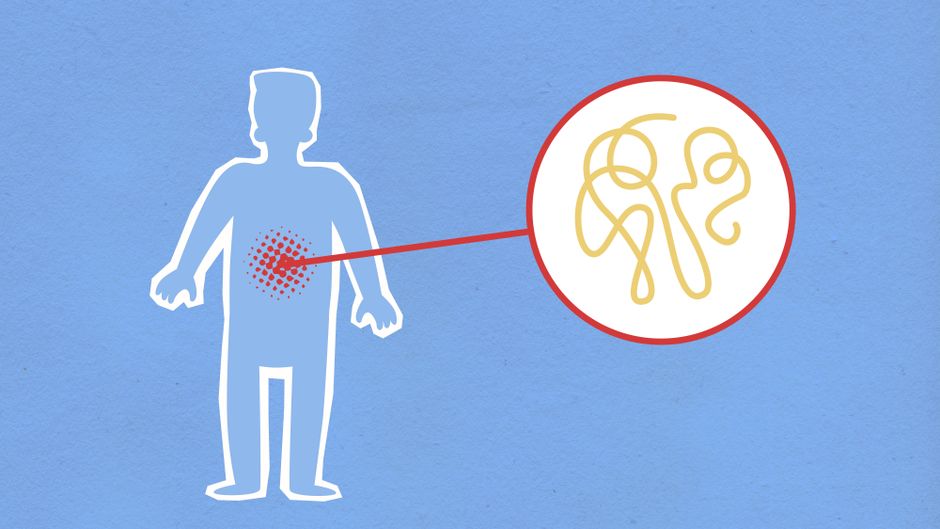
Most people picture the stomach as the center of digestion. It is not. The small intestine is where the vast majority of digestion and absorption happen — roughly 90% of it. The stomach mainly churns food and starts protein breakdown, then releases a thick paste called chyme into the small intestine. From there, the small intestine does the heavy lifting of turning food into molecules your body can actually use.
Where Does Most Digestion and Absorption Occur in the Body?
The small intestine is the primary site of both digestion and absorption. It is a muscular tube about 20 feet long in adults, divided into three sections: the duodenum, the jejunum, and the ileum.
Each section handles different jobs. The duodenum receives chyme from the stomach along with bile from the liver and digestive enzymes from the pancreas. Most chemical digestion of fats, proteins, and carbohydrates happens here and in the jejunum. The jejunum is the main site of nutrient absorption. The ileum absorbs what is left, including vitamin B12, bile salts, and any remaining nutrients.
The small intestine’s structure is built for absorption. Its inner lining has circular folds called plicae circulares. Those folds are covered in finger-like projections called villi. Each villus cell has even smaller projections called microvilli. Together, these structures create a surface area roughly the size of a tennis court. That is how a 20-foot tube absorbs enough nutrients to fuel your entire body.
Why the Stomach Is Not the Main Site of Absorption
The stomach does absorb a few things, but not much. Water, some alcohol, and certain medications like aspirin can pass through the stomach lining. Most nutrients cannot.
The stomach’s main jobs are mechanical and chemical. It stores food, mixes it with gastric acid and enzymes, and slowly releases it into the small intestine. Gastric acid kills many bacteria and activates pepsin, an enzyme that begins breaking down proteins. But the stomach wall is thick and built to protect itself, not to absorb. Its surface area is small compared to the small intestine.
Fat digestion does not start in the stomach to any meaningful degree. Lingual lipase from saliva and gastric lipase begin some fat breakdown, but this is minor. The real fat digestion happens in the small intestine once bile emulsifies fat into tiny droplets and pancreatic lipase breaks it down.
How the Small Intestine Absorbs Nutrients
Absorption in the small intestine is selective and efficient. Different nutrients use different pathways.
- Carbohydrates are broken into simple sugars like glucose and absorbed through the intestinal wall into the bloodstream.
- Proteins are broken into amino acids and small peptides, then absorbed by specific transport systems.
- Fats are packaged into structures called micelles, absorbed, and reassembled into triglycerides inside intestinal cells. They then enter the lymphatic system before reaching the blood.
- Vitamins and minerals have their own absorption sites. Iron is absorbed mainly in the duodenum. Vitamin B12 needs intrinsic factor from the stomach to be absorbed in the ileum. Calcium absorption is regulated by vitamin D.
This division of labor matters clinically. If part of the small intestine is removed or damaged, the specific nutrients absorbed there may become deficient. That is why people who have had significant small bowel resection often need lifelong monitoring and supplementation.



What Happens in the Large Intestine?
The large intestine, or colon, absorbs water and electrolytes. It does not absorb many nutrients. By the time chyme reaches the colon, most usable nutrients have already been taken up.
The colon’s main jobs are water reclamation and forming stool. It also houses trillions of bacteria that ferment some fiber and produce short-chain fatty acids. Those fatty acids do provide energy to colon cells and have other metabolic effects, but this is a small fraction of total calorie absorption in most people.
Some water-soluble vitamins, like vitamin K and certain B vitamins, are produced by gut bacteria. How much the colon actually absorbs of these is debated. The contribution is generally considered modest, and the body relies mainly on dietary sources.
How Long Does Food Stay in Each Part?
Transit time varies widely between people and depends on the meal. These are general ranges, not fixed rules.
| Stage | Typical Time |
|---|---|
| Stomach emptying | 2 to 4 hours |
| Small intestine transit | 3 to 5 hours |
| Colon transit | 10 to 59 hours |
These numbers are approximate. A high-fat meal empties from the stomach more slowly than a high-carbohydrate meal. Fiber can slow or speed transit depending on the type. Medications, medical conditions, and individual anatomy all affect timing.
The small intestine is where the timing matters most for absorption. It moves chyme along at a rate that allows nutrients to be taken up without letting contents sit long enough to cause problems.
What Can Go Wrong With Intestinal Absorption?
When the small intestine cannot absorb nutrients properly, the result is malabsorption. This can happen for several reasons.
Celiac disease damages the villi in the small intestine when a person eats gluten. Without healthy villi, surface area drops and absorption suffers. Crohn’s disease can cause inflammation and scarring in the small intestine. Small intestinal bacterial overgrowth, or SIBO, can interfere with absorption by altering the gut environment. Surgical removal of part of the small intestine reduces the area available for absorption.
Symptoms of malabsorption can include diarrhea, greasy stools, weight loss, fatigue, and nutrient deficiencies. These symptoms are not specific. Many conditions can cause them. Diagnosis usually requires a combination of blood tests, stool tests, imaging, and sometimes endoscopy with biopsy.
Treatment depends on the cause. Some causes are reversible with diet changes or medication. Others require ongoing management. The key point is that the small intestine is the site where things go wrong when absorption fails, which is why it is the focus of most testing.
Does Aging Affect Where Digestion and Absorption Happen?
The location does not change with age, but efficiency can decline. Gastric acid production often decreases with age. Less acid can affect vitamin B12 and mineral absorption. The lining of the small intestine can change over time, and some people develop conditions that impair absorption.
These changes are not inevitable. Many older adults absorb nutrients normally. When problems arise, they are usually tied to specific conditions, medications, or surgeries rather than age alone.
Frequently Asked Questions
Where does most digestion and absorption occur?
Most digestion and absorption occur in the small intestine, specifically the duodenum, jejunum, and ileum. About 90% of nutrient absorption happens there.
Does the stomach absorb nutrients?
The stomach absorbs very few nutrients — mainly water, some alcohol, and certain medications. The small intestine handles almost all nutrient absorption.
What does the large intestine absorb?
The large intestine absorbs water and electrolytes, not significant amounts of nutrients. It also houses bacteria that ferment some fiber.
How long does food stay in the small intestine?
Food typically stays in the small intestine for about 3 to 5 hours. This can vary based on the meal and individual factors.
