

Walking after a meal does help your body handle food, though not in the way most people imagine. It does not speed up digestion in your stomach or make enzymes work faster. What it does is help move food through your gut, steady your blood sugar, and reduce the sluggish, heavy feeling that can follow a large meal. The effect is real, it is modest, and the pace matters more than the distance.
What Actually Happens in Your Body When You Walk After Eating?
Digestion starts the moment food hits your mouth and continues for hours. Your stomach churns and mixes food with acid. Your small intestine absorbs most nutrients. Your colon handles what is left. Walking does not change the chemistry of any of these steps.
What walking changes is motility — the muscular contractions that push food along your digestive tract. When you are upright and moving, gravity and muscle activity help that process along. Your gut has its own nervous system, sometimes called the enteric nervous system, and gentle movement supports its normal rhythm.
Walking also triggers what clinicians call the gastrocolic reflex. This is a normal response where food entering your stomach signals your colon to get moving. A walk can amplify that signal slightly. That is why some people feel the urge to use the bathroom during or shortly after a post-meal walk. It is not a sign something is wrong.
One clarification worth making: walking does not empty your stomach faster in any meaningful way. Stomach emptying is controlled mostly by the consistency and composition of what you ate, not by whether you are sitting or strolling. A high-fat meal leaves the stomach more slowly than a low-fat one regardless of what you do afterward.
How Does Walking After a Meal Affect Blood Sugar?
This is where the evidence is strongest. Muscle contractions during walking increase the uptake of glucose from your bloodstream into your cells. This happens partly through insulin and partly through a separate mechanism that does not require insulin at all. That second pathway is why even people with insulin resistance often see a benefit.
Research on post-meal walking has consistently found lower blood glucose levels compared with sitting after eating. Some studies suggest the effect is larger when the walk happens within roughly 60 to 90 minutes of the meal, which is when blood sugar tends to peak. The benefit appears in people with and without type 2 diabetes, though the size of the effect varies.
What walking after a meal is not: a replacement for medication, a cure for diabetes, or a substitute for medical care. If you take insulin or medications that lower blood sugar, adding exercise can change your levels in ways that need to be discussed with your clinician. That conversation is not optional.
Why Timing Matters More Than Intensity
A slow 10 to 15 minute walk is enough to produce a measurable effect on blood sugar. You do not need to sweat, wear athletic gear, or walk fast. In fact, very intense exercise right after a large meal can cause discomfort for some people because blood flow is being pulled toward working muscles while your gut is also demanding blood flow.
Gentle is the operative word. A stroll. A lap around the block. Walking the dog. These count.
Does Walking Help with Bloating and That Heavy Feeling?
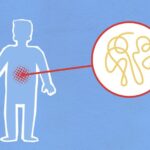
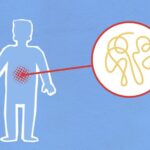
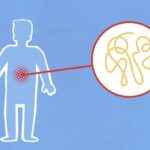
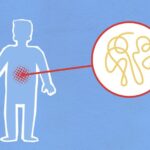
Often, yes — for some people. The heavy, overfull sensation after a big meal comes from a few things: stomach distension, gas moving through the intestines, and the general slowdown that happens when you lie down or sit still.
Walking helps with two of those. It encourages gas to move through your system rather than sit in one place. And it keeps you upright, which means your stomach and intestines are not compressed in a way that can make reflux or fullness feel worse.
What walking does not do is fix bloating caused by a specific condition. If you have irritable bowel syndrome, small intestinal bacterial overgrowth, celiac disease, or a food intolerance, a walk may ease symptoms slightly but will not address the underlying issue. Persistent bloating, especially with pain, weight loss, or changes in bowel habits, needs medical evaluation. That is not a situation to manage with lifestyle tweaks alone.

Is Walking Better Than Lying Down or Sitting After a Meal?
For most people, yes. Lying down after eating makes reflux more likely because gravity is no longer helping keep stomach contents where they belong. Sitting is neutral — it does not help or hurt much on its own, though prolonged sitting is linked to worse blood sugar control compared with light activity.
Standing is a middle option. It is better than lying down, and it avoids the reflux risk. But standing still does not provide the muscle contractions that walking does, so the blood sugar benefit is smaller.
Here is a simple comparison:
| Activity After a Meal | Effect on Blood Sugar | Effect on Reflux | Effect on Bloating |
|---|---|---|---|
| Lying down | Little to none | Worse | Little to none |
| Sitting | Neutral | Neutral | Neutral |
| Standing | Small benefit | Better than lying | Small benefit |
| Gentle walking | Moderate benefit | Better than lying | Moderate benefit |
These are general patterns. Individual results vary based on what you ate, your health conditions, and your medications.
How Long and How Fast Should You Walk?
There is no single correct answer, and no major health organization has issued a specific prescription for post-meal walking. What the research supports is this: even short bouts of light walking — around 10 to 15 minutes — produce measurable effects on blood sugar and digestion comfort.
Longer walks are not necessarily better for digestion. A 45-minute brisk walk after a heavy meal may leave you feeling worse, not better, because blood is being diverted to your legs while your gut is still working. If you want a longer walk, consider waiting 30 to 60 minutes after eating or splitting it into two shorter walks.
Pace should feel easy. You should be able to talk comfortably. If you are gasping, you are going too fast for a post-meal walk.
If you have mobility limitations, any upright movement counts. Walking in place, using a stationary bike at low resistance, or even doing light household chores can provide some of the same benefit. The key is gentle movement while upright.
Who Should Be Cautious About Walking After Eating?
Walking after a meal is generally safe for most people. But there are situations where caution is warranted.
- People with gastroparesis — a condition where the stomach empties too slowly. Walking may or may not help, and it can sometimes worsen discomfort. This should be discussed with a gastroenterologist.
- People who take insulin or sulfonylureas — exercise can lower blood sugar, and doing it after a meal may increase the risk of hypoglycemia in some cases. Your medication timing and dosing may need adjustment. This requires medical guidance.
- People with active reflux or GERD — walking is usually fine, but bending forward or walking too soon after a very large meal can trigger symptoms.
- People recovering from abdominal surgery — follow your surgeon’s instructions, which may include specific guidance about when and how much to walk.
- People with heart conditions or exercise restrictions — check with your doctor before adding any new activity, even a gentle walk.
For everyone else, the risk of a gentle post-meal walk is very low. The bigger risk is doing nothing at all.
Does Walking After a Meal Help with Digestion? What the Evidence Shows
The honest summary: walking after a meal helps with blood sugar control, supports normal gut motility, and can reduce bloating and reflux compared with lying down. It does not accelerate digestion in the stomach, does not make you absorb nutrients faster, and is not a treatment for any digestive disease.
The effect is real but modest. It works best as part of a consistent routine, not as a one-time fix. And it is one of the few health habits that is free, low-risk, and fits into almost any lifestyle.
If you are looking for a simple change that supports your body after eating, a short walk is a reasonable place to start. Just do not expect it to undo a heavy meal or replace medical care when something is genuinely wrong.
Frequently Asked Questions
Does walking after a meal help with digestion?
Yes, it helps in specific ways — mainly by supporting gut motility, lowering blood sugar, and reducing bloating or reflux compared with lying down. It does not speed up stomach emptying or make digestion chemically faster.
How long after eating should I wait to walk?
You can walk immediately after eating if you feel comfortable. For blood sugar benefits, some research suggests walking within 60 to 90 minutes of a meal, when glucose tends to peak.
Is walking better than sitting after a meal?
For most people, yes. Walking provides moderate benefits for blood sugar and bloating, while sitting is neutral. Lying down is the worst option because it increases reflux risk.
Can walking after eating help with bloating?
It can help some people by encouraging gas to move through the digestive tract and keeping you upright. Persistent or painful bloating should be evaluated by a doctor rather than managed with lifestyle changes alone.
