
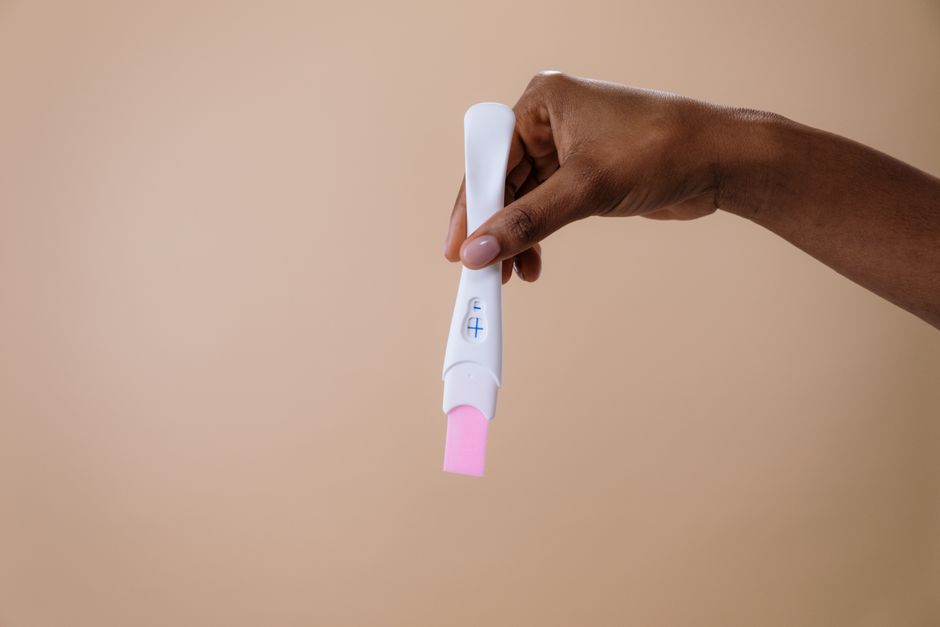
If you have unprotected sex and are wondering when a pregnancy test will work, the short answer is: a reliable result is possible about 14 days after conception, and a definitive result by the day your period is expected. Testing too early is the most common reason for a false negative. Home pregnancy tests measure a hormone called hCG, which only appears after a fertilized egg implants in the uterus. Understanding the timeline of conception, implantation, and hormone production will help you test at the right time and trust the result you see.
What Happens in Your Body After Conception
Conception happens when sperm fertilizes an egg. This occurs in the fallopian tube, not in the uterus. After fertilization, the egg begins dividing as it travels toward the uterus. This journey takes several days.
Implantation is the next critical step. The fertilized egg must attach to the uterine lining. This typically happens 6 to 10 days after ovulation. Pregnancy does not begin biologically until implantation occurs. Before implantation, your body has no way to detect that conception has happened.
Once implantation happens, the developing placenta starts producing human chorionic gonadotropin, or hCG. This is the hormone that home pregnancy tests detect. hCG levels start very low and double roughly every 48 to 72 hours in early pregnancy. This rapid doubling is why timing matters so much.
When Will A Pregnancy Test Work After Conception
You cannot get a positive pregnancy test before implantation. Your body has not started producing hCG yet. Most women implant 6 to 10 days after ovulation. A test taken before day 6 after ovulation will be negative regardless of whether conception occurred.
After implantation, hCG must rise to a level the test can detect. Most home tests have a sensitivity threshold of 20 to 25 mIU/mL. Urine hCG reaches this level roughly 12 to 14 days after ovulation. This is why most manufacturers recommend testing on the first day of your missed period.
Testing at 14 days after ovulation gives you the most reliable answer. At this point, about 95 to 98 percent of pregnancies will show a positive result. Testing earlier than 10 days after ovulation produces a high rate of false negatives. A negative test at day 7 or 8 does not mean you are not pregnant. It means your hCG levels are not yet high enough to detect.
How Early Can You Test and Still Trust the Result
Some tests claim to detect pregnancy up to 6 days before your missed period. These tests are more sensitive and can detect hCG at levels around 10 mIU/mL. However, testing this early comes with a significant risk of a false negative.
If you test early and get a positive result, you can generally trust it. False positives are rare. If you test early and get a negative result, you cannot conclude anything. Your hCG may simply be below the detection threshold. You need to retest in a few days.
The most reliable approach is to wait until the day of your expected period. If your cycles are irregular, count 14 days from when you believe you ovulated. Testing on the first day of a missed period gives you a result you can act on with confidence.


Why Testing Too Early Causes False Negatives
A false negative is a negative test result when you are actually pregnant. This happens because hCG levels are too low for the test to detect. The test is not broken. Your body simply has not produced enough hormone yet.
Urine concentration also matters. hCG is more concentrated in your urine first thing in the morning. Testing later in the day after drinking fluids can dilute your urine and lower the detectable hCG level. This is especially important if you are testing before your missed period.
Another factor is the timing of implantation itself. Implantation can happen as late as day 12 after ovulation. If you have a late implanting embryo, your hCG production starts later. Your period would be due before hCG reaches detectable levels. This is why a negative test before a missed period is not reliable.
Blood Tests vs. Home Pregnancy Tests
Blood tests performed in a doctor’s office can detect pregnancy earlier than urine tests. A qualitative blood test simply reports positive or negative. A quantitative blood test measures the exact amount of hCG in your blood. This is sometimes called a beta hCG test.
Blood tests can detect hCG about 8 to 10 days after ovulation. This is a few days earlier than most urine tests. However, blood tests are not usually necessary for confirming pregnancy. A home urine test taken at the right time is highly accurate.
Your doctor may order a quantitative blood test if there are concerns about the pregnancy. Serial measurements of hCG can show whether levels are rising appropriately. But for the simple question of whether you are pregnant, a home test on the day of your missed period is sufficient in most cases.
What If You Get a Negative Test But Miss Your Period
A negative test on the day of your missed period is not always definitive. If you ovulated later than you thought, your period is not actually late. Your hCG may still be below detectable levels.
If you get a negative result and your period does not arrive, wait 3 to 5 days and test again. hCG levels rise rapidly in early pregnancy. A test taken a few days later is far more reliable. Most pregnancies will show a positive result within 3 to 5 days after the expected period date.
If you continue to get negative tests and your period never comes, see a doctor. Missed periods have many causes besides pregnancy. Stress, hormonal imbalances, thyroid conditions, and significant weight changes can all delay ovulation and menstruation. A doctor can run blood tests to determine what is happening.
How Accurate Are Home Pregnancy Tests
Home pregnancy tests are highly accurate when used correctly. When taken on the day of a missed period, they are about 99 percent accurate. This accuracy depends on following the instructions exactly.
Common user errors include testing too early, reading results after the time window has passed, and using diluted urine. Reading a test after the recommended time can produce an evaporation line that looks like a faint positive. This is not a true positive result.
Certain medications can interfere with test results. Fertility medications containing hCG, such as some used during IVF, can cause false positives. Most other medications, including antibiotics and birth control pills, do not affect pregnancy test results.
Frequently Asked Questions
How many days after conception will a pregnancy test be positive?
A pregnancy test is usually positive about 14 days after conception, which is roughly the day your period is due. Testing earlier than 10 days after conception frequently produces false negatives because hCG levels are too low.
Can a pregnancy test be positive 7 days after conception?
It is possible but unlikely. Implantation typically occurs 6 to 10 days after ovulation, and hCG only appears after implantation. A positive test at day 7 would require very early implantation and a highly sensitive test.
Is a negative pregnancy test 10 days after conception reliable?
No, a negative test at 10 days after conception is not reliable. hCG may not have reached detectable levels yet. Wait until the day of your missed period and test again for a definitive answer.
What is the earliest a pregnancy test can detect hCG?
Highly sensitive tests can detect hCG about 8 to 10 days after ovulation. However, testing this early carries a high risk of false negatives. The most reliable time to test is the first day of your missed period.
