
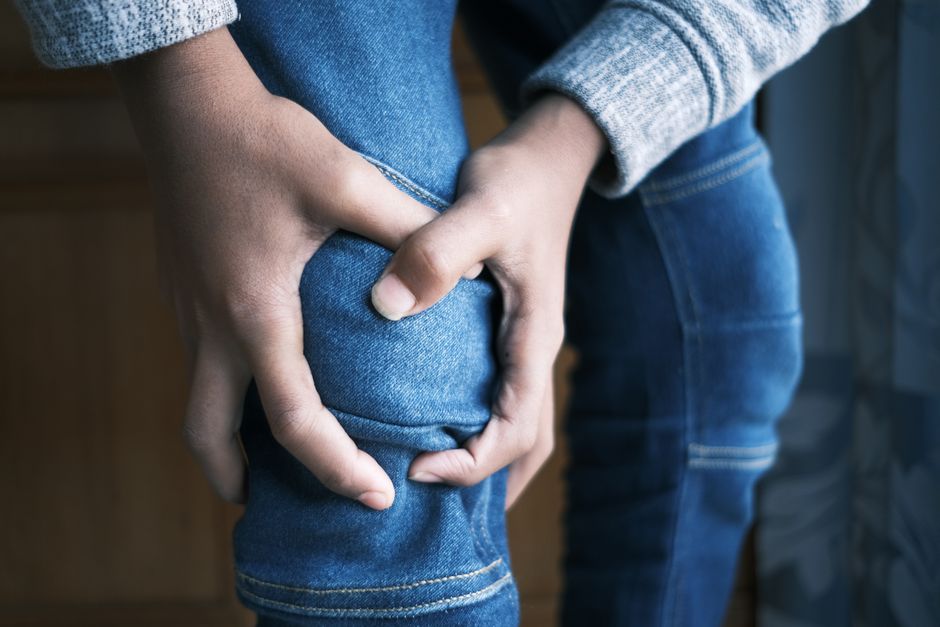
Back pain during pregnancy is incredibly common, but that does not make it easy to live with. Most pregnant people will feel some back discomfort, especially in the third trimester. The real answer to when you should worry is straightforward: worry when the pain is sudden, severe, or comes with other symptoms like fever, bleeding, or contractions. Most back pain is a normal part of the body changing to make room for your baby, but a small number of cases point to something more serious that needs medical attention right away.
Why Does Pregnancy Cause Back Pain in the First Place?
Your body goes through major physical changes during pregnancy. The most important one for back pain involves hormones. Your body releases a hormone called relaxin. It loosens the ligaments in your pelvis so your baby can pass through during birth. Those same loose ligaments affect your spine and lower back, making the joints less stable.
Your center of gravity also shifts. As your uterus grows, it pulls your posture forward. To keep from falling over, you naturally lean backward. This puts extra strain on the muscles in your lower back. Those muscles are not used to working that hard, and they let you know it.
Weight gain adds to the load. The extra pounds press down on your spine and pelvic floor. The combination of looser joints, shifted posture, and extra weight is why most women feel pain in the lower back, especially after standing or walking for a while.
What Does Normal Pregnancy Back Pain Feel Like?
Normal pregnancy back pain is usually a dull ache. It tends to focus on the lower back, right around the waistline. Some women feel it deep in the buttocks or down the back of one leg. That happens when the loosened pelvic joints irritate the sciatic nerve.
The pain often gets worse with activity and better with rest. Sitting for too long can make it stiff. Standing for too long can make it ache. Lying down on your side with a pillow between your knees often helps. The pain usually builds gradually over weeks, not suddenly in minutes.
This kind of pain is uncomfortable but not dangerous. It does not harm your baby. It does not signal a problem with the pregnancy. It is a mechanical issue, like a muscle strain, caused by the physical changes of pregnancy.
I Worry About Back Pain in Pregnancy — When Is It a Red Flag?
Some back pain needs immediate medical evaluation. Call your doctor or go to urgent care if you have back pain along with any of these symptoms:
- Fever or chills
- Pain or burning when you urinate
- Numbness or weakness in your legs
- Sudden, severe pain that comes on fast
- Vaginal bleeding or fluid leaking
- Regular cramping or contractions
- Pain that does not go away when you change position
These symptoms can point to conditions that need treatment. A urinary tract infection can cause back pain and needs antibiotics. Kidney infections are more common in pregnancy and can be serious if untreated.
Sudden severe pain in the upper right side of the belly or the shoulder could be a sign of preeclampsia or HELLP syndrome, both of which are dangerous. Contractions or cramping combined with back pain could mean preterm labor. If you have any of these, do not wait. Call your provider immediately.
-
 Is Back Pain Normal During Early Pregnancy? The Real Answer
 -
Is Lower Back Pain an Early Sign of Pregnancy? The Real Answer
-
When Does Back Pain Begin in Pregnancy? The Real Answer
-
How to Use Pregnancy Pillow for Back Pain? What Really Works Best
-
Joint Genesis Reviews 2025. Does Biodynamix Supplement Work





Could It Be Something Other Than Muscular Pain?
Most pregnancy back pain is muscular. But not all of it is. Several conditions can mimic back pain during pregnancy, and some are serious.
Kidney infection causes pain in the flank, which is the side of your back just below the ribs. It usually comes with fever, nausea, and painful urination. It needs antibiotics quickly to prevent complications.
Preterm labor can feel like a dull backache. Many women describe labor back pain as a deep ache that comes in waves. If the pain is rhythmic or gets stronger over time, time your contractions and call your doctor.
Preeclampsia is high blood pressure during pregnancy. It can cause pain in the upper right side of the abdomen, sometimes felt in the back. It often comes with headache, vision changes, and swelling. This is a medical emergency.
Placental abruption is when the placenta separates from the uterus before birth. It causes sudden, severe, constant abdominal or back pain. It can come with bleeding, but not always. This is an emergency that requires immediate care.
These conditions are rare. Most back pain is not any of these. But knowing the warning signs helps you act fast if something is wrong.
What About Pelvic Girdle Pain?
Pelvic girdle pain is different from regular back pain. It affects the joints at the front and back of your pelvis. Women describe it as a sharp pain in the pubic area, the groin, or the sacroiliac joints at the base of the spine.
The pain often makes it hard to climb stairs, roll over in bed, or lift one leg at a time. It can feel worse when you spread your legs apart, like getting out of a car.
Pelvic girdle pain is not dangerous to your baby. It does not affect labor. But it can be very disabling. Physical therapy helps many women. A maternity belt or pelvic support band can also reduce the strain on those joints. If the pain is severe enough to limit your daily activity, talk to your provider about a referral to a physical therapist who specializes in pregnancy.
What Actually Helps Relieve Pregnancy Back Pain?
Several strategies have good evidence behind them. Heat therapy is simple and effective. A warm compress or heating pad on the low back for 15 to 20 minutes relaxes tense muscles. Avoid heat on your belly and do not use it for longer than recommended.
Gentle exercise helps. Walking, swimming, and prenatal yoga strengthen the muscles that support your spine. Some research suggests that regular exercise during pregnancy reduces the severity of back pain. Always check with your provider before starting a new exercise routine.
Good posture matters. Stand tall with your shoulders back and your weight evenly distributed. When sitting, use a chair with good lumbar support or place a small pillow behind your lower back. Avoid crossing your legs.
Sleep on your side with a pillow between your knees. This keeps your spine aligned and takes pressure off your lower back. Some women find a full-body pregnancy pillow helpful.
Acetaminophen (Tylenol) is generally considered safe during pregnancy for short-term pain relief. But no medication is completely risk-free. Talk to your doctor about the right dose and duration for your situation. Do not take ibuprofen or naproxen during pregnancy unless your doctor specifically tells you to.
Chiropractic care and prenatal massage help some women, but the evidence is limited. If you choose these options, make sure the practitioner is trained to work with pregnant patients. Always inform your obstetric provider about any complementary treatment you are using.
When Should You See a Doctor for Back Pain?
You should mention any back pain at your next prenatal visit. It is a normal part of pregnancy for many women, and your provider can offer safe treatment options.
Seek care sooner if the pain is severe enough to interfere with sleep or daily activities. If it does not improve with rest, heat, and position changes, call your provider. If you are unable to walk or bear weight, go to urgent care or the emergency room.
Trust your instincts. You know your body better than anyone. If something feels wrong, call your doctor. It is always better to ask and be told everything is fine than to ignore a warning sign.
Frequently Asked Questions
Can back pain be a sign of miscarriage?
Back pain alone is not a typical sign of miscarriage. Miscarriage usually involves vaginal bleeding and cramping, but if back pain comes with bleeding or severe cramping, seek medical care right away.
Is it safe to take Tylenol for back pain during pregnancy?
Acetaminophen is generally considered safe for short-term use during pregnancy, but no medication is completely risk-free. Talk to your doctor about the right dose and how long you should take it.
Does back pain during pregnancy mean I will have back pain after birth?
Most women find their back pain improves significantly within weeks after delivery. Some women continue to have discomfort, especially if they had back pain before pregnancy or gained a lot of weight during pregnancy.
When should I go to the ER for back pain while pregnant?
Go to the emergency room if back pain is sudden and severe, comes with fever, bleeding, fluid leaking, contractions, numbness in your legs, or pain in your upper right side. These can be signs of a serious condition that needs immediate treatment.
