
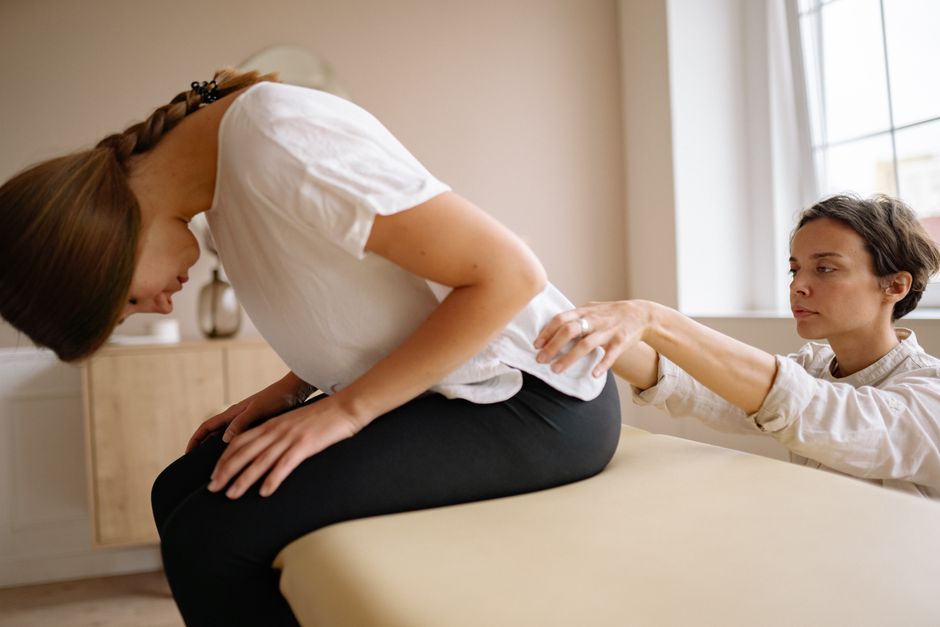
Back pain during pregnancy is common, and a pregnancy pillow can help you sleep in positions that take pressure off your lower back. The key is to support your belly, hips, and knees at the same time — not just your head. Used correctly, a full-length body pillow or a U-shaped pillow can reduce the strain that builds up overnight.
Most pregnant women get some back pain, especially in the second and third trimesters. As your belly grows, your center of gravity shifts forward. Your lower back curves more to balance the weight. That extra curve strains muscles and ligaments. Sleeping on your side with proper support reduces that strain. A pregnancy pillow helps you hold that position all night instead of rolling onto your back.
Why Does Pregnancy Cause Back Pain?
Two things happen at once. Your growing uterus pulls your center of gravity forward, and hormones loosen the ligaments that normally hold your joints steady. Together, these changes put extra load on your lower back.
The hormone relaxin increases during pregnancy. It softens ligaments throughout your body, including those in your pelvis and spine. Looser ligaments mean less stability. Your muscles have to work harder to keep you upright. That is why back pain often starts or worsens as pregnancy progresses.
Sleep position matters here. Lying flat on your back lets the weight of your uterus press on the vena cava, a large vein that returns blood to your heart. This can make you feel dizzy or short of breath. It can also reduce blood flow to your baby. Most guidelines recommend side sleeping after about 20 weeks. The left side is often suggested because it keeps pressure off the vena cava, though either side is generally considered acceptable.
A pregnancy pillow is not a treatment for an underlying spine condition. It is a positioning tool. It helps you stay on your side and keeps your spine in a more neutral line. That reduces the muscular strain that makes back pain worse.
How Do You Use a Pregnancy Pillow for Back Pain?
The basic setup is simple. Lie on your side. Tuck the pillow under your belly. Pull the lower part between your knees. Add support behind your back if the pillow is long enough.
Here is the position that works best for most people:
- Lie on your side. Left side is often recommended, but either side works.
- Belly support. The pillow should gently cradle your bump, not press into it.
- Knee support. Place a section of the pillow between your knees. This keeps your top hip from dropping forward and twisting your lower back.
- Back support. If your pillow is long enough, tuck part of it behind you. This stops you from rolling onto your back during sleep.
- Head and neck. Your head should rest so your neck stays in line with your spine. Do not stack the pillow too high.
The knee support is the part people skip, and it matters most for back pain. When you sleep on your side without a pillow between your knees, your top leg drops down. That rotates your pelvis and twists your lower spine. Over several hours, that twist causes stiffness and pain. A pillow between the knees keeps your hips level.
If you wake up on your back, do not panic. Just roll back onto your side. The concern about back sleeping is mainly about prolonged pressure on the vena cava, not a few minutes.
Which Type of Pregnancy Pillow Works Best for Back Pain?
Full-length and U-shaped pillows work best for back pain because they support your belly, knees, and back at the same time. Smaller wedge pillows help with one area but leave others unsupported.
Here is how the main types compare:
| Pillow Type | What It Supports | Best For |
|---|---|---|
| U-shaped | Both sides, belly, back, knees | Side sleepers who roll around at night |
| C-shaped | One side, belly, knees | People who stay on one side |
| Wedge | Belly or back only | Targeted support or travel |
| Full-length body pillow | Belly, knees | Budget option, needs extra pillow for back |
There is no strong clinical evidence that one shape is better than another. The best pillow is the one that keeps you comfortable on your side all night. Fit matters more than brand or price. A pillow that is too firm can cause pressure points. One that is too soft will not hold its shape.
Some people find a U-shaped pillow takes up too much room in the bed. If that is a problem, a C-shaped pillow plus a small wedge behind your back can do the same job.
-
 Is Back Pain Normal During Early Pregnancy? The Real Answer
 -
Is Lower Back Pain an Early Sign of Pregnancy? The Real Answer
-
How to Help Lower Back Pain During Pregnancy? Tips That Actually Work
-
How to Relieve Back Pain During Pregnancy? Tips You Can Try
-
Joint Vive Reviews And Complaints 2026: Consumer Reports & Ratings





What Else Helps Back Pain During Pregnancy?
Positioning is one part of a larger plan. Movement, strength, and posture during the day all affect how your back feels at night.
Regular physical activity is one of the most consistent recommendations for pregnancy back pain. Walking, swimming, and prenatal yoga are commonly suggested. Gentle strengthening for your core and back can improve stability as your ligaments loosen. Talk to your doctor before starting any new exercise routine during pregnancy.
Other approaches that may help:
- Prenatal massage. Some studies suggest it can reduce back pain, though evidence is limited. Choose a therapist trained in prenatal massage.
- Heat. A warm compress on the lower back can relax tight muscles. Avoid hot tubs and saunas during pregnancy.
- Good posture. Stand tall, avoid locking your knees, and sit with support behind your lower back.
- Supportive shoes. Flat, cushioned shoes reduce strain better than high heels.
- Physical therapy. A physical therapist trained in prenatal care can teach you safe exercises and body mechanics.
Acetaminophen is generally considered the first-line pain reliever during pregnancy, but you should check with your doctor before taking any medication. Do not take NSAIDs like ibuprofen in the third trimester without medical guidance.
If back pain is severe, comes with numbness or weakness in your legs, or is accompanied by fever or loss of bladder control, contact your doctor right away. Those symptoms can signal something more serious than ordinary pregnancy back strain.
When Should You Start Using a Pregnancy Pillow?
You can start any time it helps. Many women find they need one by the second trimester, when the belly starts to grow and side sleeping becomes more important. Others use one from early pregnancy for general comfort.
There is no rule about when to begin. If you are waking up with back stiffness or finding it hard to stay on your side, that is a good time to try one. You may also find that a pillow that worked at 20 weeks feels wrong at 35 weeks. Your body changes, and your pillow setup may need to change with it.
After delivery, many people keep using their pregnancy pillow for nursing support or general comfort. There is no harm in continuing to use it.
Does a Pregnancy Pillow Actually Reduce Back Pain?
There is limited direct research on pregnancy pillows specifically. Most of what we know comes from general evidence on sleep positioning and back pain.
What is well established: side sleeping with knee support reduces strain on the lower back. This is standard advice in physical therapy and obstetrics. A pregnancy pillow is one way to achieve that position. Whether it reduces pain more than a few regular pillows arranged the same way is not clear from research.
What is not established: claims that specific pillow brands or materials provide unique therapeutic benefits. No large trials have confirmed this. Be cautious of marketing that promises to “cure” or “eliminate” pregnancy back pain. A pillow can help you sleep in a better position. It cannot fix the underlying mechanical changes of pregnancy.
That said, better sleep matters. Poor sleep worsens pain perception and mood. If a pregnancy pillow helps you sleep through the night on your side, that alone can make a real difference in how your back feels during the day.
Frequently Asked Questions
What is the best sleeping position for pregnancy back pain?
Sleep on your side with a pillow under your belly and between your knees. This keeps your spine neutral and reduces strain on your lower back.
Can I use a regular pillow instead of a pregnancy pillow?
Yes. A regular body pillow or two standard pillows can work if you place one under your belly and one between your knees. A pregnancy pillow is more convenient because it stays in place, but it is not required.
How do I stop rolling onto my back while sleeping?
Tuck part of your pillow behind your back to block the roll. If you still wake up on your back, just turn onto your side again — brief periods on your back are not considered dangerous.
When should I stop using a pregnancy pillow?
There is no set time. You can stop whenever you no longer need it, or keep using it after delivery for nursing or general comfort.
