
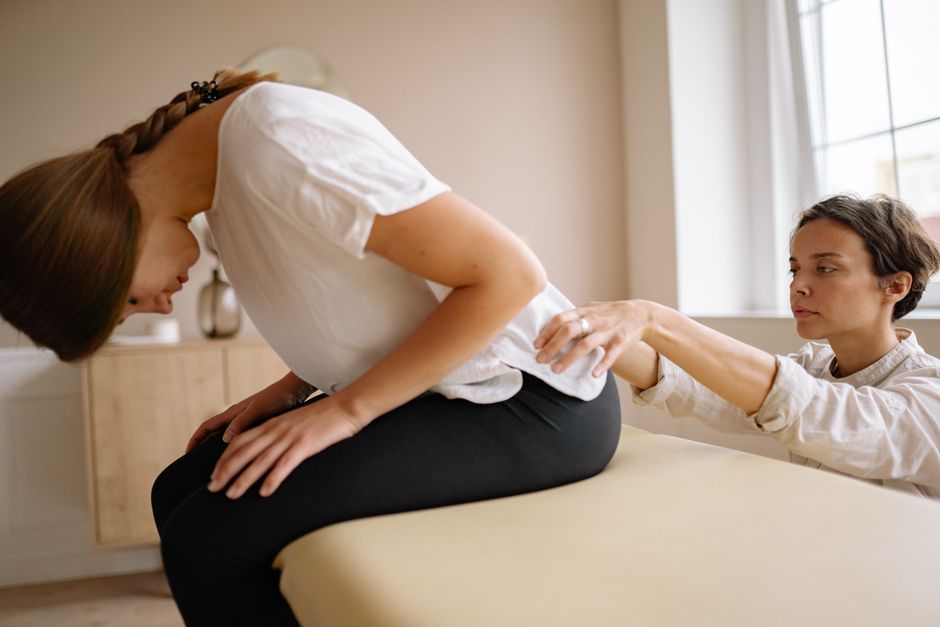
Back pain in pregnancy is not a matter of if, but when. For most women, it begins between the fifth and seventh month, though some feel it as early as the first trimester. The earlier it starts, the more likely it is to persist, but understanding why it happens can help you manage it.
When Does Back Pain Typically Begin in Pregnancy?
Most pregnant women first notice back pain around week 20 to week 28. That is the second half of the second trimester and the start of the third. By the time a woman reaches her third trimester, roughly half to two-thirds report some degree of back discomfort.
Some women feel it much earlier. Hormonal changes begin in the first weeks of pregnancy. These hormones loosen joints and ligaments throughout the body, including the spine. For some women, this instability causes pain by week 8 or week 10.
If you have had back pain before pregnancy, you are more likely to feel it early. Women with a history of back problems, weak core muscles, or physically demanding jobs tend to notice symptoms sooner.
Why Does Pregnancy Cause Back Pain?
Pregnancy changes your body in several ways that affect the back. The most obvious is weight gain. A typical pregnancy adds 25 to 35 pounds. That weight sits mostly in the front of the body, pulling the spine forward.
To compensate, the lower back arches more than usual. This is called lumbar lordosis. The extra curve puts strain on the muscles and joints of the lower spine.
Hormones play a major role too. The placenta produces a hormone called relaxin. Relaxin loosens the ligaments that stabilize the pelvis and spine. This loosening is necessary for childbirth, but it also reduces the support your back normally has.
Your abdominal muscles also change. As the uterus grows, the abdominal wall stretches. The deep core muscles that normally brace the spine become less effective. The back muscles have to work harder to make up for the loss.
There is also a shift in your center of gravity. As the baby grows, your center of gravity moves forward. You may unconsciously lean backward to stay balanced. This posture increases the curve in your lower back and adds strain.
What Does Pregnancy Back Pain Feel Like?
Pregnancy back pain is not one single experience. Women describe it in different ways depending on where it is and what causes it.
Most women feel a dull ache in the lower back, just above the buttocks. The pain may be worse after standing for a long time, bending, or lifting. It often improves with rest or a change of position.
Some women feel pain deeper in the pelvis, around the sacroiliac joint. This joint connects the lower spine to the pelvis. The pain may radiate to the buttocks or the back of the thighs. It can be sharp, especially when turning in bed, getting out of a car, or climbing stairs.
Pain that wraps around the side or radiates down the leg below the knee is different. This can indicate nerve compression, such as sciatica. Sciatica is less common in pregnancy, affecting about 1 in 100 pregnant women. If you have numbness, tingling, or weakness in your leg, tell your doctor.
-
 Is Lower Back Pain an Early Sign of Pregnancy? The Real Answer
 -
When Should I Worry About Back Pain in Pregnancy? The Real Answer
-
How to Help Lower Back Pain During Pregnancy? Tips That Actually Work
-
How to Relieve Back Pain During Pregnancy? Tips You Can Try
-
Arctic Blast Reviews 2026: Does The Cooling Pain Drop Work?





When Should You Worry About Back Pain in Pregnancy?
Most pregnancy back pain is musculoskeletal and not dangerous. But some types of back pain require immediate medical attention.
If back pain is accompanied by vaginal bleeding, fever, burning with urination, or a sudden change in discharge, contact your doctor right away. These symptoms can signal an infection, a kidney problem, or a pregnancy complication.
Back pain that comes and goes in a rhythmic pattern may be labor. This is especially true if you are near your due date. Time the contractions. If they are regular and getting closer together, call your maternity unit.
Pain that is sudden and severe, especially if accompanied by dizziness or fainting, is an emergency. Call 911 or go to the emergency room.
What Helps Pregnancy Back Pain?
There is no cure for pregnancy back pain, but there are many ways to manage it. The goal is comfort and function, not complete elimination of pain.
Good posture is the first line of defense. Stand tall with your shoulders back and your weight evenly distributed. Avoid standing in one position for long periods. If you must stand, put one foot on a low stool and alternate feet.
When sitting, use a chair with good lower back support. Place a small pillow or rolled towel behind your lower back. Keep your feet flat on the floor. Do not cross your legs.
Sleeping position matters. The best position is on your side with a pillow between your knees. This keeps the pelvis aligned and reduces strain on the lower back. A full-length pregnancy pillow can help if you struggle to stay in position.
Heat therapy is safe and effective. Apply a warm compress or heating pad to the painful area for 15 to 20 minutes. Do not use heat for longer periods, and never sleep with a heating pad on. Some research suggests heat therapy can reduce pregnancy back pain, but the evidence is limited.
Gentle exercise helps. Walking, swimming, and prenatal yoga all strengthen the muscles that support the spine. Physical activity during pregnancy is safe for most women. Check with your doctor before starting a new exercise program.
Physical therapy is one of the most effective treatments. A physical therapist can teach you specific exercises to strengthen your core and stabilize your pelvis. Some studies show that prenatal physical therapy reduces pain and improves function. Ask your doctor for a referral.
What About Medications and Alternative Treatments?
Acetaminophen is generally considered safe during pregnancy for short-term pain relief. It is the pain reliever most often recommended by obstetricians. Take the lowest dose that works, and do not exceed the label dose.
Nonsteroidal anti-inflammatory drugs (NSAIDs) like ibuprofen and naproxen are not recommended during pregnancy. They are linked to complications, especially in the third trimester. Do not take them without explicit approval from your doctor.
Massage therapy can help, but choose a therapist trained in prenatal massage. They know which positions are safe and which areas to avoid. Acupuncture has some evidence for pregnancy back pain, though studies are small and results vary.
Chiropractic care is commonly used, but the evidence is limited. Some women find it helpful. If you choose a chiropractor, find one experienced with pregnant patients. Tell them you are pregnant before treatment.
Topical creams are mostly safe, but check the ingredients. Creams containing NSAIDs are absorbed into the bloodstream and carry the same risks as oral NSAIDs. Avoid creams with ingredients that have no pregnancy safety data.
Can You Prevent Pregnancy Back Pain?
Prevention is easier than treatment. If you are planning a pregnancy or are in the early stages, now is the time to build a strong foundation.
Strengthening your core before pregnancy may reduce your risk of back pain later. The core includes the abdominal muscles, the back muscles, and the muscles of the pelvic floor. A physical therapist or certified trainer can design a program.
During pregnancy, avoid heavy lifting. If you must lift something, bend at the knees and keep the object close to your body. Do not twist while lifting.
Wear supportive shoes. High heels shift your center of gravity forward and increase the curve in your lower back. Flat, supportive shoes distribute weight more evenly.
A maternity support belt may help some women. These belts support the lower back and abdomen. The evidence for their effectiveness is mixed, but some women report significant relief. They are safe to try.
Weight gain within the recommended range can reduce strain on the back. Your doctor can tell you the right range for your starting weight. Gaining too much weight increases the load on your spine.
How Long Does Pregnancy Back Pain Last?
For most women, back pain improves after delivery. The weight is gone, and hormone levels return to normal. But improvement is not always immediate.
Some women continue to have back pain for months after childbirth. The abdominal muscles need time to recover. Caring for a newborn involves a lot of bending, lifting, and carrying, which can strain the back.
Postpartum physical therapy can help. It focuses on rebuilding core strength and correcting posture. Many women find that their back pain resolves once they regain core strength.
If back pain persists beyond six months after delivery, see a doctor. This may indicate a problem unrelated to pregnancy, such as a disc issue or arthritis.
When to Talk to Your Doctor
Mention back pain at your next prenatal visit. Your doctor can assess whether it is musculoskeletal or something more serious. They can also refer you to physical therapy or other treatments.
Call your doctor sooner if the pain is severe, sudden, or accompanied by other symptoms. Trust your instincts. If something feels wrong, get checked.
Pregnancy back pain is common, but it is not something you have to simply endure. There are safe, effective ways to manage it. The earlier you address it, the better your chances of staying comfortable throughout your pregnancy.
Frequently Asked Questions
Can back pain start in the first trimester of pregnancy?
Yes, some women feel back pain as early as week 8 to week 10. Hormonal changes that loosen joints and ligaments begin in the first weeks of pregnancy, which can cause discomfort.
Is back pain a sign of pregnancy before a missed period?
Back pain alone is not a reliable early pregnancy sign. Many conditions can cause back pain, and pregnancy tests are the only accurate way to confirm pregnancy.
How can I tell if my back pain is labor or just pregnancy discomfort?
Labor pain comes in regular waves that get closer together and stronger over time. Ordinary pregnancy back pain is constant or tied to specific movements, not rhythmic.
Is it safe to see a chiropractor during pregnancy?
Chiropractic care is commonly used during pregnancy, but the evidence for its effectiveness is limited. If you choose to see a chiropractor, find one experienced with pregnant patients and tell them you are pregnant.
