
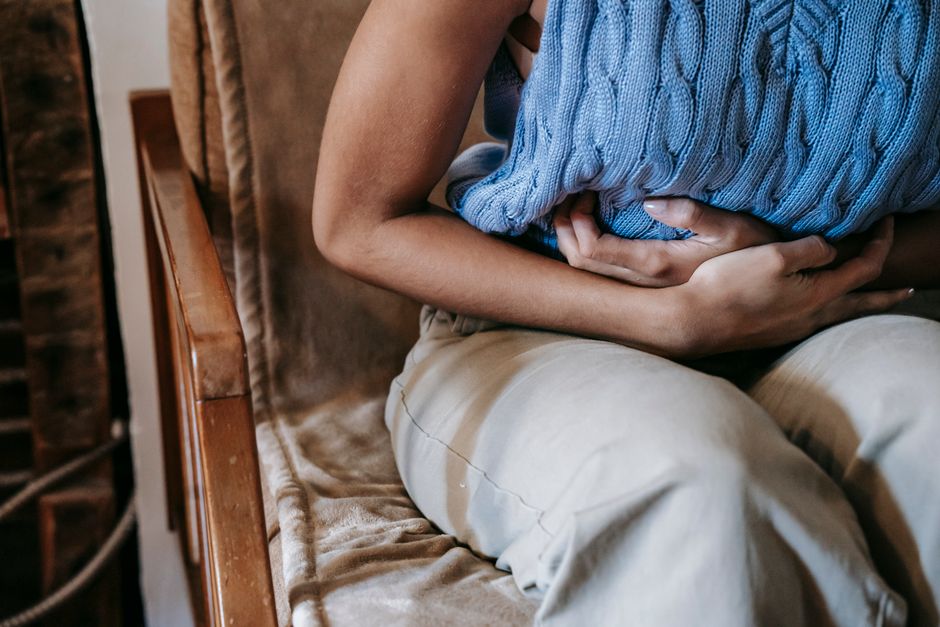
Premenstrual bloating usually starts about one to two weeks before your period begins. For most women with a typical 28-day cycle, that means bloating first appears around day 14 to day 21 of the cycle. The sensation often builds gradually and peaks in the day or two right before bleeding starts. Once your period arrives, the bloating typically fades within the first few days of your flow.
Why Does Bloating Happen Before Your Period?
Hormone shifts drive premenstrual bloating. After ovulation, estrogen levels drop and progesterone rises. Progesterone is the main hormone involved. It slows down your digestive tract. Food moves through your system more slowly, which leads to gas buildup and constipation.
Progesterone also causes your body to retain more sodium and water. This fluid retention adds to the swollen, heavy feeling. The combination of slower digestion and extra water is what creates that tight, full sensation in your abdomen.
The effect is not just in your belly. Some women notice swelling in their fingers, ankles, and breasts at the same time. That is the same fluid retention at work throughout the body.
How Long Does Pre Period Bloating Last?
Bloating can last anywhere from a few days to two full weeks. The duration depends on your individual hormone patterns. Women whose progesterone stays elevated longer tend to experience bloating for more days.
For most women, the bloating is worst in the 24 to 48 hours before bleeding starts. Once estrogen and progesterone levels drop sharply at the start of your period, the fluid shifts and digestion speeds back up. Most women feel significant relief by the second or third day of their period.
Some women have bloating that continues through their entire period. This is less common but not unusual. If bloating persists well after your period ends, that is a different situation and worth discussing with a healthcare provider.
Is It PMS Bloating or Something Else?
Premenstrual bloating follows a predictable monthly pattern. It appears after ovulation and resolves with your period. That timing is the clearest sign it is hormone-related.
Bloating that does not follow this pattern may have another cause. Irritable bowel syndrome, food sensitivities, and constipation can all cause abdominal swelling. These conditions often worsen around your period because of the same progesterone effects on digestion, but they do not resolve cleanly when bleeding starts.
If your bloating comes with severe pain, significant weight gain, or lasts more than a few days after your period ends, see a doctor. Sudden or severe abdominal swelling can be a sign of ovarian cysts, fibroids, or other conditions that need evaluation.





What Makes Pre Period Bloating Worse?
Certain foods and habits amplify hormone-related bloating. Knowing these triggers can help you manage the severity.
- Salty foods: Sodium causes your body to hold onto water. This effect is stronger when progesterone is already promoting fluid retention.
- Carbonated drinks: The gas in sodas and sparkling water adds directly to abdominal gas.
- Dairy: If you are lactose sensitive, dairy can worsen bloating. Hormone changes can make existing sensitivities feel more intense.
- High-fat meals: Fat slows stomach emptying, which adds to the sluggish digestion progesterone already causes.
- Constipation: Slower digestion before your period means stool moves more slowly. If you are already prone to constipation, it will likely be worse in the week before your period.
Stress also plays a role. Cortisol affects digestion and fluid balance. High stress in the week before your period can make bloating more noticeable.
What Actually Helps Reduce Pre Period Bloating?
No treatment eliminates premenstrual bloating completely for everyone. But several approaches have solid evidence behind them.
Cutting back on salt is the most direct dietary change. The average American diet contains far more sodium than the body needs. Reducing processed foods, canned soups, and restaurant meals in the week before your period can noticeably reduce fluid retention.
Drinking more water sounds counterintuitive but helps. When your body senses adequate hydration, it is less likely to hold onto excess fluid. Aim for consistent water intake throughout the day rather than drinking large amounts at once.
Potassium-rich foods can help balance sodium. Bananas, sweet potatoes, spinach, and avocados are good sources. Potassium helps your kidneys excrete excess sodium, which reduces fluid retention.
Regular exercise helps in two ways. Physical activity stimulates digestion, which counteracts progesterone’s slowing effect. It also promotes sweating, which releases some retained fluid. Even a 20-minute walk can make a difference.
Magnesium supplements have some evidence for reducing premenstrual symptoms including bloating. Some studies suggest magnesium helps regulate fluid balance. The evidence is not overwhelming, but it is reasonable to try under a doctor’s guidance.
Does Water Retention Cause All the Bloating?
No. Water retention is only part of the picture. Gas and slowed digestion are equally important.
Progesterone relaxes smooth muscle throughout the body. The intestinal walls are smooth muscle. When they relax, food moves more slowly and gas accumulates. This is why some women experience bloating even when they have not gained any actual weight.
This distinction matters for treatment. If your bloating is mostly gas, drinking more water will not help much. Gentle exercise, walking after meals, and avoiding gas-producing foods like beans and cruciferous vegetables may be more effective.
If your bloating is mostly fluid, reducing sodium and increasing potassium will be more helpful. Pay attention to what your body is telling you. Ring-like indentations on your socks or fingers suggest fluid retention. Frequent burping or flatulence suggests gas.
When Should You See a Doctor About Bloating?
Premenstrual bloating is normal and does not require medical treatment for most women. But there are warning signs that deserve attention.
See a healthcare provider if bloating is severe enough to interfere with daily activities, if it causes significant pain, or if it does not go away after your period ends. Bloating accompanied by unintended weight gain, changes in bowel habits lasting more than a few weeks, or bloating that develops suddenly when you have never had it before also warrants evaluation.
Conditions like endometriosis, polycystic ovary syndrome, and irritable bowel syndrome can all cause bloating that worsens before your period. These conditions require proper diagnosis. They are treatable, but effective treatment depends on identifying the underlying cause.
No clinical guidelines currently exist for treating premenstrual bloating specifically. Most recommendations come from general research on premenstrual syndrome and clinical experience. If your bloating is severe, talk to your doctor about whether prescription options like spironolactone, a diuretic, might be appropriate for you.
Frequently Asked Questions
Can pre period bloating start right after ovulation?
Yes, bloating can start within a day or two after ovulation for some women. This happens because progesterone begins rising immediately after ovulation and its digestive and fluid-retaining effects start quickly.
Does pre period bloating mean you are pregnant?
No, bloating alone does not indicate pregnancy. Early pregnancy bloating feels similar because progesterone is high in both situations. The only reliable way to know is a pregnancy test after a missed period.
How much weight gain is normal from pre period bloating?
Most women gain one to three pounds of fluid before their period. Gaining more than five pounds is worth mentioning to a healthcare provider.
Can birth control pills reduce pre period bloating?
Some women find that hormonal birth control reduces bloating because it keeps hormone levels more steady. The effect varies by person and by the specific pill formulation.
