
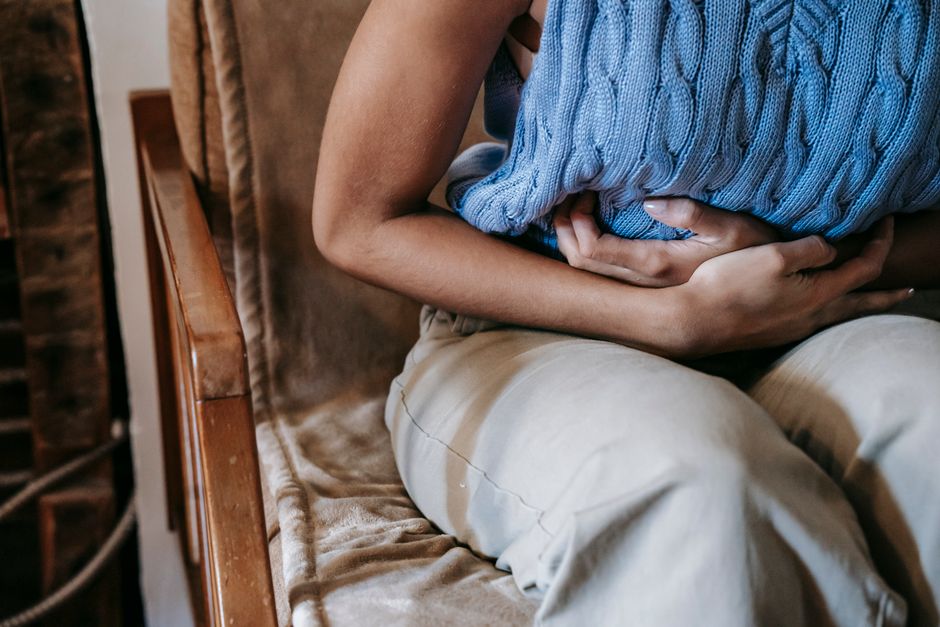
Period bloating is that heavy, tight, and sometimes painful feeling in your belly that shows up right before your period starts. It is caused by hormonal changes, specifically the natural shift in estrogen and progesterone that happens in the second half of your menstrual cycle. These hormones cause your body to hold onto extra water and salt, and they also slow down your digestive system, which leads to that swollen and full sensation.
What Causes Bloating During Period?
Your menstrual cycle runs on a predictable schedule of hormones. In the days after ovulation, your progesterone levels rise and then fall sharply if pregnancy does not occur. This drop in progesterone is a key trigger for period bloating.
When progesterone levels fall, your body responds by retaining sodium and water. This is a normal physiological process, not a sign that something is wrong. The extra fluid builds up in your tissues, which is why your stomach, breasts, and even your fingers can feel swollen and tender.
Estrogen also plays a part. Estrogen levels peak right before progesterone drops, and estrogen itself can cause fluid retention. Together, these two hormones create the perfect setup for that uncomfortable, puffy feeling.
Why Digestion Slows Down Before Your Period
Bloating is not just about water weight. Your digestive tract also slows down in the week before your period. This happens because progesterone relaxes smooth muscle, including the muscles in your intestines.
When your intestinal muscles move more slowly, food spends more time in your digestive system. That gives gas more time to build up, and it makes you feel fuller and more bloated even after a small meal. Constipation is common in the days before your period for this exact reason.
This explains why period bloating feels different from regular water retention. It is a combination of extra fluid and slower digestion working together. Both are driven by the same hormonal changes, but they affect different parts of your body.
How Long Does Period Bloating Last?
Period bloating usually starts one to two days before your period begins. For most women, it peaks on the first day of their period and starts to improve within a day or two after bleeding starts.
The reason it resolves is simple. Once your period begins, estrogen and progesterone levels are at their lowest point of the month. Your body starts to release the extra fluid, and your digestion returns to its normal pace. Most women feel completely back to normal by the time their period ends.
If your bloating lasts longer than a few days after your period ends, or if it is severe enough to interfere with daily life, that is worth discussing with a doctor. Mild bloating is normal. Bloating that causes significant pain or lasts for weeks is not.




Foods That Make Period Bloating Worse
What you eat in the week before your period can make bloating noticeably worse. Some foods are harder to digest, and others cause your body to hold onto more water.
- Salty foods — Processed snacks, canned soups, and fast food are high in sodium. Your body responds to excess sodium by holding onto water, which amplifies the fluid retention caused by hormones.
- Carbonated drinks — Soda and sparkling water introduce extra gas into your digestive tract. Since your digestion is already slower, that gas has nowhere to go quickly.
- Dairy products — If you are lactose sensitive, dairy can cause gas and bloating at any time. During your period, when digestion is already sluggish, the effect is stronger.
- High-fiber foods — Fiber is normally good for you, but a sudden increase in beans, broccoli, or cabbage can cause gas. If you eat a lot of fiber regularly, this is less of an issue.
- Sugar alcohols — Found in sugar-free gum and some protein bars, these are poorly absorbed and can cause significant gas and bloating.
You do not need to cut all of these out. Just being aware of them can help you make smarter choices in the days before your period starts.
What Actually Helps Reduce Period Bloating
There is no cure for period bloating because it is a normal hormonal process. But there are things that can reduce how bad it feels.
Drinking more water sounds counterintuitive when you are already holding onto fluid, but it works. When you are well hydrated, your kidneys are better able to flush out excess sodium and water. Dehydration signals your body to hold onto even more fluid.
Light exercise helps in two ways. Physical activity stimulates your digestive system, which helps move gas through your intestines faster. It also triggers the release of endorphins, which can reduce the discomfort associated with bloating.
Potassium-rich foods can help balance sodium levels. Bananas, sweet potatoes, and leafy greens are good options. Potassium helps your kidneys excrete excess sodium, which reduces water retention.
Magnesium supplements have shown some promise in reducing premenstrual symptoms, including bloating. Some research suggests magnesium can help regulate fluid balance and reduce digestive discomfort. The evidence is not definitive, but it is a reasonable option to discuss with your doctor.
Over-the-counter diuretics are sometimes marketed for period bloating. These are not recommended for routine use. They can cause electrolyte imbalances and dehydration. Your body is holding onto fluid for a reason, and forcing it out with medication can do more harm than good.
When Bloating Is Not Normal
Period bloating is normal, but not every type of bloating is related to your cycle. If your bloating does not follow the pattern of your period, it may have a different cause.
Bloating that is accompanied by severe pain, fever, or vomiting is not normal period bloating. Bloating that lasts for more than two weeks, or bloating that gets progressively worse over several cycles, deserves medical attention.
Conditions like irritable bowel syndrome, endometriosis, and ovarian cysts can all cause bloating that feels similar to period bloating. These conditions often require specific treatment, so it is important to get an accurate diagnosis rather than assuming all bloating is hormonal.
If your bloating is severe enough that your clothes do not fit, you cannot eat normally, or you are in significant pain, talk to a healthcare provider. They can help determine whether your bloating is purely hormonal or whether something else is going on.
Can Birth Control Help With Period Bloating?
Hormonal birth control can reduce period bloating for some women. Birth control pills, patches, and hormonal IUDs work by keeping hormone levels more stable throughout the month.
When your hormone levels do not swing as dramatically, your body does not experience the same sudden drop in progesterone that triggers fluid retention. Many women report less bloating on hormonal birth control, especially continuous-use methods that reduce the number of periods you have.
However, this is not true for everyone. Some women experience more bloating when they start hormonal birth control. It can take a few months for your body to adjust. If bloating is your primary premenstrual symptom, talk to your doctor about whether hormonal birth control might help in your specific case.
Frequently Asked Questions
How many days before your period does bloating start?
Bloating typically starts one to two days before your period begins. It usually peaks on the first day of bleeding and improves within a day or two after your period starts.
Is period bloating a sign of pregnancy?
Bloating can be a sign of early pregnancy, but it is also a normal premenstrual symptom, so it is not a reliable indicator on its own. If your period is late and you are experiencing bloating, a pregnancy test is the only way to know for certain.
Can drinking more water reduce period bloating?
Yes, staying well hydrated can help reduce period bloating. Adequate water intake helps your kidneys flush out excess sodium and fluid, which can lessen the severity of water retention.
Why is my bloating worse at night during my period?
Bloating often feels worse at night because gas accumulates in your digestive tract throughout the day. Gravity also plays a role, as fluid settles in your lower abdomen when you are upright for long periods.
