
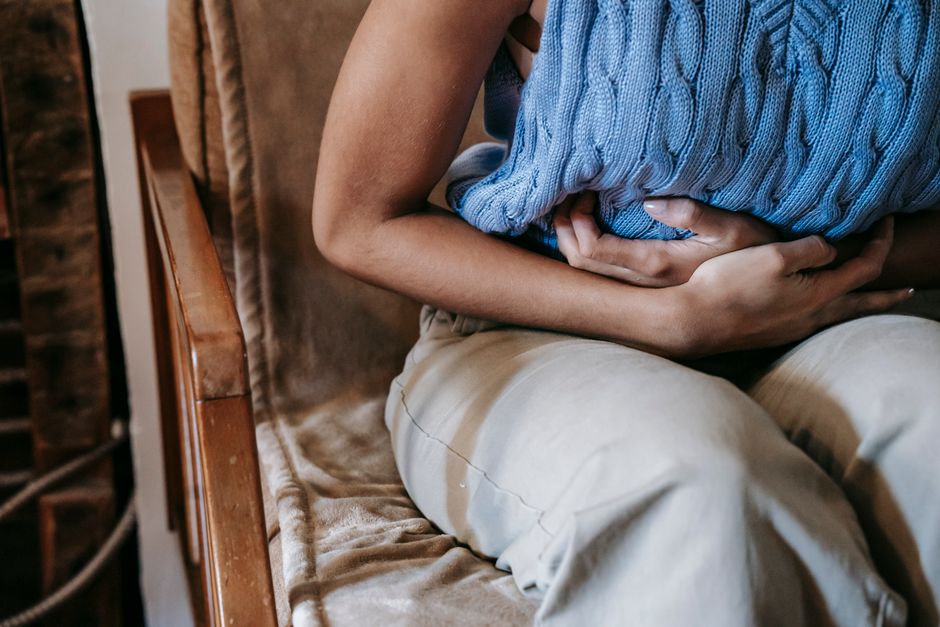
Period bloating is the feeling of fullness, tightness, or swelling in your belly that shows up in the days before your period starts. It happens because hormone levels shift during your cycle, causing your body to hold onto extra water and gas. For most people, it is a temporary and harmless part of the menstrual cycle that eases within a few days of your period starting.
What Does Period Bloating Look Like?
Period bloating looks different for everyone, but there are some common patterns. Your stomach may feel tight or stretched, like you ate a very large meal. Your waistband might feel snug even if you have not gained weight. Some people notice their belly looks visibly larger or more rounded than usual.
The bloating usually starts one to two days before your period begins. It often peaks on the first day of your period and then fades over the next few days. Some people feel bloated for a full week before their period starts. Others only notice it for a day or two.
The physical feeling can range from mild discomfort to a genuinely painful, pressurized sensation. You might also notice that your rings feel tighter or that your face looks slightly puffier. This is all part of the same water retention process.
Why Does Your Body Retain Water Before Your Period?
Hormones drive the water retention behind period bloating. Estrogen and progesterone both rise and fall at specific points in your cycle, and both influence how your body manages fluids.
When estrogen levels are high, your body tends to hold onto sodium. Where sodium goes, water follows. This is a normal physiological process, not a sign that something is wrong. Progesterone also plays a role, though the exact mechanism is less straightforward. Together, these hormone shifts cause the extra fluid that creates that swollen, heavy feeling.
Gas can add to the bloating as well. Some research suggests that hormone changes around your period can slow down digestion. When food moves through your digestive tract more slowly, gas builds up, which adds to the pressure and fullness you feel.
How Long Does Period Bloating Last?
For most people, period bloating lasts anywhere from a few days to a full week. The timeline tracks closely with your hormone levels, which shift quickly once your period actually starts.
Bloating typically begins in the late luteal phase, which is the week or so before your period. Once estrogen and progesterone drop at the start of your period, your body releases the extra fluid. Most people notice significant relief within two to three days of their period starting.
If your bloating lasts well beyond your period or never fully goes away, that is worth mentioning to a healthcare provider. Persistent bloating that does not follow your cycle is not a typical period symptom.




What Actually Helps Reduce Period Bloating?
You cannot stop the hormone shifts that cause period bloating. But you can take steps that help your body release the extra fluid more quickly.
Drink plenty of water. It sounds counterintuitive, but drinking more water helps your kidneys flush out excess sodium and fluid. When you are dehydrated, your body holds onto what it has, which can make bloating worse.
Watch your salt intake. Sodium causes your body to retain water. In the days before your period, try to avoid heavily processed foods, fast food, and salty snacks. That does not mean a zero-sodium diet — just be mindful of the obvious sources.
Keep moving. Gentle exercise like walking, stretching, or yoga can help move gas through your digestive tract and may reduce the feeling of fullness. Intense exercise might not feel good when you are bloated, so listen to your body.
Consider potassium-rich foods. Potassium helps balance sodium levels in your body. Bananas, sweet potatoes, spinach, and avocados are good sources. Eating these in the days before your period may help your body release excess fluid.
Try a warm compress. A heating pad or warm water bottle on your belly can ease the discomfort of bloating, even if it does not reduce the actual swelling.
When Should You See a Doctor About Bloating?
Period bloating is normal and expected. But not all bloating is period bloating, and some symptoms deserve medical attention.
See a healthcare provider if your bloating is severe enough to interfere with daily life, if it does not go away after your period ends, or if it is accompanied by other symptoms like significant pain, changes in bowel habits, or unexplained weight gain.
Bloating that happens at other times of the month, not just around your period, could point to something else entirely. Conditions like irritable bowel syndrome, food intolerances, or ovarian issues can all cause bloating. Your healthcare provider can help you figure out what is driving your symptoms.
Sudden, severe bloating with sharp pain, especially if you might be pregnant, is a reason to seek medical care promptly. This combination of symptoms can sometimes indicate an ectopic pregnancy, which requires immediate treatment.
Does Birth Control Help With Period Bloating?
Hormonal birth control can reduce period bloating for some people, but it does not work for everyone. The pill, patch, ring, and hormonal IUD all change the pattern of estrogen and progesterone in your body, which can smooth out the dramatic hormone swings that cause bloating.
Some people find that their bloating nearly disappears on hormonal birth control. Others notice no difference. The evidence for birth control specifically treating bloating is not as strong as the evidence for it treating period pain or heavy bleeding. If bloating is your main complaint, it is worth discussing birth control options with your provider, but be prepared for the possibility that it may not fully solve the problem.
Is It Bloating or Something Else?
Period bloating can be confused with other causes of abdominal fullness. Knowing the difference helps you decide when to take action.
True period bloating follows a predictable pattern. It starts in the days before your period, peaks around the first day, and resolves as your period progresses. It happens in sync with your cycle, month after month.
Bloating that is constant, getting worse over time, or unrelated to your cycle is different. If your bloating does not follow this pattern, it is worth investigating other causes. Common culprits include constipation, gas from certain foods, and digestive conditions like irritable bowel syndrome.
If you are tracking your symptoms and notice that your bloating is not actually tied to your period, that is useful information to bring to a healthcare visit. It changes the conversation entirely.
Frequently Asked Questions
How many days before your period does bloating start?
Bloating usually starts one to two days before your period begins, though some people notice it up to a week beforehand. The timing depends on how your body responds to the drop in estrogen and progesterone.
Can drinking more water reduce period bloating?
Yes, drinking more water can help your kidneys flush out excess sodium and fluid, which may reduce bloating. Staying well-hydrated is one of the most reliable ways to ease water retention.
Is period bloating a sign of pregnancy?
Bloating can occur in early pregnancy, but it is not a reliable sign on its own. If your period is late and you are experiencing bloating, a pregnancy test is the only way to know for sure.
Does exercise make period bloating worse?
Gentle exercise like walking or stretching usually helps period bloating by moving gas through the digestive tract. Very intense exercise might feel uncomfortable when you are bloated, so moderate activity is the safer choice.
