
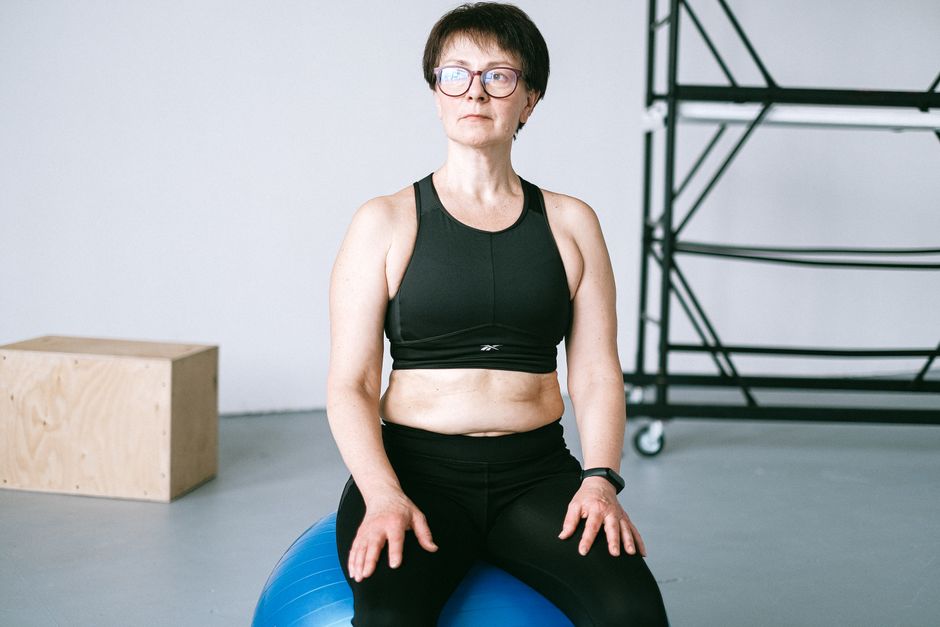
Bloating is uncomfortable, and it can make you feel like your clothes suddenly shrank in the dryer. If you are dealing with a swollen, tight stomach, the last thing you might want to do is move around. But the opposite is often true. Yes, exercise can help with bloating for most people, primarily by stimulating the digestive tract and helping to move trapped gas out of the body. While it is not a cure for underlying digestive conditions, physical activity is one of the most reliable, drug-free ways to get quick relief from everyday bloating.
Why Does Exercise Help with Bloating?
The main reason exercise relieves bloating comes down to your gut motility. This is the process your body uses to move food and gas through your digestive tract. When you sit still, that process slows down. When you move, your abdominal muscles gently compress and release your intestines. This physical massage helps push gas along and encourages a bowel movement.
Exercise also increases blood flow to your organs, including your digestive system. Better circulation helps the muscles in your intestinal wall work more efficiently. For many people, the simple act of walking after a meal is enough to trigger the body’s natural gas-release mechanisms, which is why you may feel the need to pass gas or use the bathroom shortly after starting to move.
Additionally, regular physical activity helps regulate stress hormones. High stress can disrupt digestion and cause the gut to slow down or become hypersensitive. By lowering stress levels, exercise indirectly supports a calmer, more regular digestive system.
Which Types of Exercise Are Best for Bloating?
Not all exercise is created equal when it comes to your stomach. High-intensity workouts like sprinting or heavy weightlifting can actually make bloating worse temporarily. This happens because intense exercise diverts blood flow away from your digestive organs and sends it to your working muscles. This slows digestion and can cause nausea or cramping.
For immediate relief, gentle and moderate activity is the best choice. These movements keep your heart rate up slightly without stealing blood flow from your gut.
- Walking: A 10-15 minute walk after a meal is one of the most effective ways to stimulate digestion. It is low impact and easy to do anywhere.
- Yoga: Specific poses that involve twisting or compressing the abdomen can directly massage the intestines. Poses like child’s pose, seated twists, and happy baby are commonly used for gas relief.
- Cycling: Whether on a stationary bike or outdoors, this keeps your core engaged and promotes gentle abdominal movement.
- Swimming: The water pressure on your abdomen can help move gas, and the horizontal position may ease pressure on your lower back.
- Pilates: Core-focused movements strengthen the abdominal wall, which can improve bowel regularity over time.
The key is to avoid bouncing or jarring movements. Stick to smooth, rhythmic exercises that you can do while breathing easily.
Can Exercise Help with Bloating Caused by Constipation?
Yes. Constipation is one of the most common causes of bloating, and exercise is a proven way to help. Physical activity shortens the time it takes for food to travel through the large intestine. This is known as “transit time.” When transit time is fast, the colon has less time to absorb water from the stool, which keeps it softer and easier to pass.
Research consistently shows that sedentary people who start a regular walking or aerobic program experience fewer constipation symptoms. The effect is not immediate—it usually takes a few weeks of consistent activity to see a major change in bowel habits. However, even a single session of moderate exercise can trigger the urge to have a bowel movement, which often relieves bloating right away.
If you are constipated, aim for daily movement rather than one intense workout per week. Consistency matters more than intensity. Even 20-30 minutes of walking five days a week can significantly improve regularity.





How Long Does It Take to Feel Relief?
For acute bloating—the kind you feel right after a large meal—relief can come quickly. Many people notice a reduction in pressure and tightness within 10 to 20 minutes of starting a gentle walk. The movement encourages peristalsis, which is the wave-like contraction of the intestinal muscles that pushes contents forward.
For chronic bloating, which is bloating that occurs frequently or lasts for days, the timeline is longer. You may need to exercise consistently for two to four weeks before you notice a significant change in your baseline bloating. This is because regular exercise improves the overall muscle tone of your abdominal wall and trains your digestive system to operate more efficiently.
It is also worth noting that what you eat around your workout matters. Exercising on a completely full stomach can cause discomfort. If you plan to work out, try to wait at least 1-2 hours after a large meal, or keep the meal light if you need to exercise sooner.
Can Exercise Make Bloating Worse?
In some cases, yes. High-intensity exercise can trigger bloating or make it worse in the moment. When you run hard or lift heavy weights, blood flow is redirected away from the gut. This can slow digestion and lead to a buildup of gas. Some people also swallow air when they breathe heavily during intense cardio, which directly adds gas to the stomach.
Dehydration is another factor. If you sweat heavily and do not replace fluids, your body pulls water from your intestines to maintain blood volume. This can lead to harder stools and worsening constipation-related bloating later on.
If you experience bloating during or after intense workouts, try these adjustments:
- Switch to moderate-intensity exercise for a few weeks.
- Drink water steadily throughout the day, not just during your workout.
- Avoid drinking large amounts of water in a single gulp right before exercising.
- Pay attention to whether pre-workout supplements or energy drinks are causing the issue—many contain artificial sweeteners that can cause gas.
What About Bloating from an Underlying Condition?
Exercise is helpful for general bloating, but it is not a treatment for underlying digestive disorders. If your bloating is caused by conditions like irritable bowel syndrome (IBS), small intestinal bacterial overgrowth (SIBO), or celiac disease, exercise alone will not resolve the root problem.
That said, exercise can still be a useful part of managing these conditions. For people with IBS, regular moderate exercise has been shown to reduce symptom severity and improve quality of life. The mechanism is likely related to stress reduction and improved gut motility. However, dietary changes, medication, or other medical treatments are usually necessary to address the underlying cause.
You should see a doctor if your bloating is accompanied by any of the following warning signs:
- Severe abdominal pain that does not go away
- Unexplained weight loss
- Blood in your stool
- Persistent vomiting
- Bloating that lasts for more than two weeks without relief
These symptoms can indicate a more serious condition that requires medical evaluation, not just exercise.
Practical Tips for Using Exercise to Relieve Bloating
If you want to use exercise specifically for bloating relief, timing and consistency are your best tools. Here are some practical strategies that are supported by clinical experience and physiological reasoning.
Take a short walk after meals. This is arguably the single most effective habit. A 10-minute walk after lunch or dinner can significantly reduce post-meal bloating. It does not need to be brisk—a casual stroll is enough to stimulate digestion.
Try abdominal massage combined with movement. Before or during your workout, gently massage your abdomen in a clockwise direction. This follows the path of your colon and can help move gas along. Some physical therapists recommend this technique specifically for people with chronic bloating.
Stay consistent with your routine. Sporadic exercise will not fix chronic bloating. Your digestive system adapts to regular physical activity, so aim for at least 150 minutes of moderate activity per week, spread across most days.
Listen to your body. If a specific exercise consistently causes bloating, cramping, or nausea, stop doing it and try a different activity. Everyone’s digestive system responds differently to movement.
Other Lifestyle Factors That Help with Bloating
Exercise works best when it is paired with other healthy habits. What you eat and drink before and after exercise can either help or hurt your bloating.
Hydration is critical. Drink water consistently throughout the day. If you are dehydrated, your body will retain water and slow digestion. But avoid chugging large amounts of water during or immediately after a workout, as this can cause a sloshing sensation and worsen bloating.
Watch your fiber intake. If you suddenly increase your fiber intake to improve digestion, you may temporarily experience more gas and bloating. Increase fiber gradually over several weeks and drink plenty of water to help your body adjust.
Limit carbonated drinks, especially before exercise. The carbon dioxide in soda and sparkling water directly adds gas to your stomach. If you are prone to bloating, plain water or herbal tea is a better choice.
Frequently Asked Questions
Can exercise help with bloating immediately?
Yes, a gentle walk or yoga session can relieve bloating within 10-20 minutes by stimulating the digestive tract and helping move trapped gas. The effect is often noticeable quickly, especially after a heavy meal.
What is the best exercise for bloating relief?
Walking and gentle yoga are the most effective and safest options for immediate bloating relief. These activities stimulate digestion without diverting blood flow away from the gut, unlike high-intensity workouts.
Should I exercise if I feel bloated?
Yes, in most cases gentle exercise will help reduce bloating rather than make it worse. However, if you feel sharp pain, dizziness, or nausea, stop and rest instead of pushing through the workout.
Can exercise make bloating worse?
High-intensity exercise can temporarily worsen bloating by slowing digestion and causing you to swallow air. If this happens to you, switch to moderate or gentle activities and ensure you are properly hydrated.
