
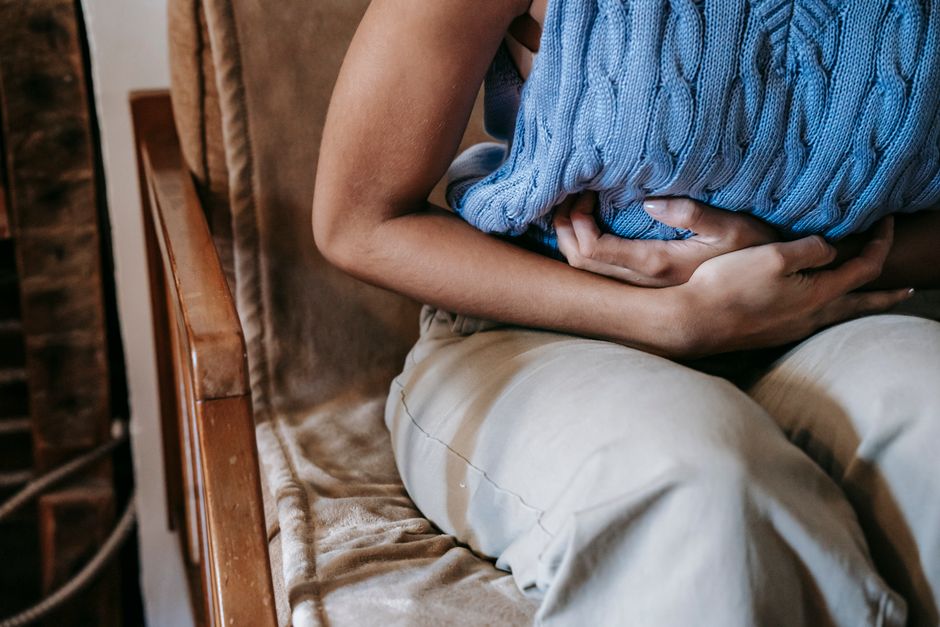
Period bloating is one of the most common and frustrating premenstrual symptoms. That heavy, tight, swollen feeling in your belly usually starts a few days before your period begins and disappears once your flow starts. The cause is a combination of hormones, water retention, and slower digestion. While you cannot stop the hormonal shifts themselves, you can take real, practical steps to reduce the fluid buildup and gas that drive the bloating.
Why Does Bloating Happen Before Your Period?
Bloating before your period is not in your head. It is a physical response to changing hormone levels. In the week before your period, estrogen and progesterone levels shift dramatically. These changes affect how your body handles water and how quickly food moves through your digestive tract.
Estrogen can cause your body to retain sodium and water. Progesterone slows down your gut. When digestion slows, food sits in your intestines longer, which means more time for gas to build up. The result is a combination of water retention and gas that makes your abdomen feel full and swollen.
Some research suggests that the drop in progesterone right before your period can also trigger a slight contraction of the muscles in your digestive tract. This is the same mechanism that causes menstrual cramps in the uterus, and it can add to the uncomfortable pressure you feel.
What Actually Works to Stop Bloating Before Your Period?
You cannot stop the hormone shifts, but you can counter their effects on your body. The most effective strategies target either water retention or gas production. These are the methods with the strongest evidence behind them.
Increase your water intake. Drinking more water sounds counterintuitive when you feel puffy, but it works. When you are dehydrated, your body holds onto the water it has. Drinking plenty of fluids signals to your body that it can release the excess. Aim for consistent hydration throughout the day rather than chugging large amounts at once.
Cut back on salt. Sodium is a major driver of water retention. In the week before your period, your body is already more sensitive to salt. Processed foods, canned soups, deli meats, and restaurant meals are the biggest sources of hidden sodium. Cooking at home with fresh ingredients and using herbs instead of salt can make a noticeable difference within a day or two.
Focus on potassium-rich foods. Potassium helps balance sodium levels in your body. Foods like bananas, sweet potatoes, spinach, and avocados can help your kidneys flush out excess sodium and water. These foods also provide fiber, which supports regular digestion.
Are There Foods That Make Period Bloating Worse?
Yes. Certain foods can amplify the gas and water retention that cause bloating. Knowing which ones to limit in the days before your period can reduce the severity of your symptoms.
Carbonated drinks introduce extra gas directly into your digestive tract. Even if they are sugar-free, the bubbles add to the pressure in your abdomen. Swap sparkling water for still water in the days leading up to your period.
High-sodium foods are the biggest culprit for water retention. This includes fast food, frozen meals, and salty snacks like chips and pretzels. Your body holds onto about one gram of extra water for every gram of sodium you consume, and the effect is stronger when estrogen is elevated.
Gas-producing vegetables such as broccoli, cauliflower, cabbage, and Brussels sprouts are healthy but can cause discomfort. They are high in a type of carbohydrate that ferments in your gut. If you are already prone to bloating, eating these right before your period can add gas on top of water retention. You do not need to eliminate them entirely, but reducing portions in the premenstrual week can help.
Artificial sweeteners like sorbitol and xylitol are poorly absorbed and can cause gas. These are common in sugar-free gum and diet drinks. Some research suggests they can worsen bloating in sensitive individuals.




Can Exercise Reduce Premenstrual Bloating?
Yes, but it does not work the way most people think. Exercise does not directly “sweat out” the water weight, although some fluid is lost through sweat. The real benefit is that physical activity stimulates your digestive system and helps move gas through your intestines.
Moderate exercise like walking, swimming, or cycling for 20 to 30 minutes can relieve the pressure of trapped gas. It also reduces stress, and stress can worsen digestive symptoms. There is no need for intense workouts. A gentle walk after meals can be just as effective as a hard gym session for reducing bloating.
One caveat: high-intensity exercise in the days before your period can increase cortisol levels, which may temporarily increase water retention. If you feel bloated, choose moderate activity over intense training.
What About Supplements and Over-the-Counter Options?
Several over-the-counter options have evidence behind them, but they work in different ways. Knowing the difference matters.
Magnesium is one of the most studied supplements for premenstrual symptoms. Some research suggests that magnesium can reduce water retention and bloating, though the evidence is not conclusive. The recommended daily allowance for adult women is 310 to 320 milligrams, and it is safe to get this from food sources like nuts, seeds, and leafy greens. If you consider a supplement, it is best to discuss dosing with a healthcare provider.
Vitamin B6 has been studied for premenstrual symptoms, but the evidence for its effect on bloating specifically is limited. Some women report benefit, but no large clinical trials have confirmed this.
Simethicone is an over-the-counter gas reliever found in products like Gas-X. It works by breaking up gas bubbles in your digestive tract. It does not address water retention, but it can help with the gas component of bloating. It is generally considered safe for short-term use.
Diuretic teas and supplements like dandelion root or uva ursi are marketed for water weight. Some small studies suggest dandelion extract may have a mild diuretic effect, but the evidence is limited. These products can interact with medications and should not be used without checking with a healthcare provider. No large human trials have confirmed their safety or effectiveness for premenstrual bloating.
Does Birth Control Help With Period Bloating?
Hormonal birth control can reduce premenstrual bloating for some women. The mechanism is straightforward: birth control pills keep hormone levels more stable throughout the month. This prevents the sharp estrogen and progesterone fluctuations that trigger water retention and slow digestion.
However, the effect varies. Some women find their bloating improves significantly on hormonal birth control. Others notice no change, and a small percentage report that bloating gets worse. The type of pill matters too. Pills with a lower dose of estrogen or those with a shorter placebo week may produce different results.
If bloating is severe and interferes with your life, talking to a healthcare provider about hormonal options is reasonable. But this is a decision that requires medical guidance, not a self-prescribed solution.
When Should You See a Doctor About Bloating?
Premenstrual bloating that resolves when your period starts is normal. Bloating that persists throughout your cycle, gets progressively worse, or is accompanied by other symptoms requires medical evaluation.
You should see a healthcare provider if bloating is severe enough to interfere with daily activities, if it does not improve after your period ends, or if it is accompanied by significant pain, changes in bowel habits, or unexplained weight gain. These symptoms could indicate conditions like irritable bowel syndrome, endometriosis, or ovarian issues that require proper diagnosis.
Bloating that is new and different from your usual pattern also deserves attention. If your periods have always been manageable and suddenly become unbearable, that change should be evaluated.
Frequently Asked Questions
How many days before your period does bloating start?
Bloating typically begins about 5 to 7 days before your period starts. It usually resolves within a day or two after your flow begins.
Does drinking more water reduce period bloating?
Yes, staying well hydrated helps your kidneys flush excess sodium and water from your body. Dehydration causes your body to hold onto fluid, making bloating worse.
Can magnesium supplements stop premenstrual bloating?
Some research suggests magnesium may reduce water retention, but the evidence is not conclusive. It is safe to get magnesium from food sources like nuts and leafy greens.
Is period bloating a sign of pregnancy?
Bloating can occur in early pregnancy due to rising progesterone, but it is not a reliable sign on its own. If your period is late and you have other symptoms, a pregnancy test is the only way to know.
