
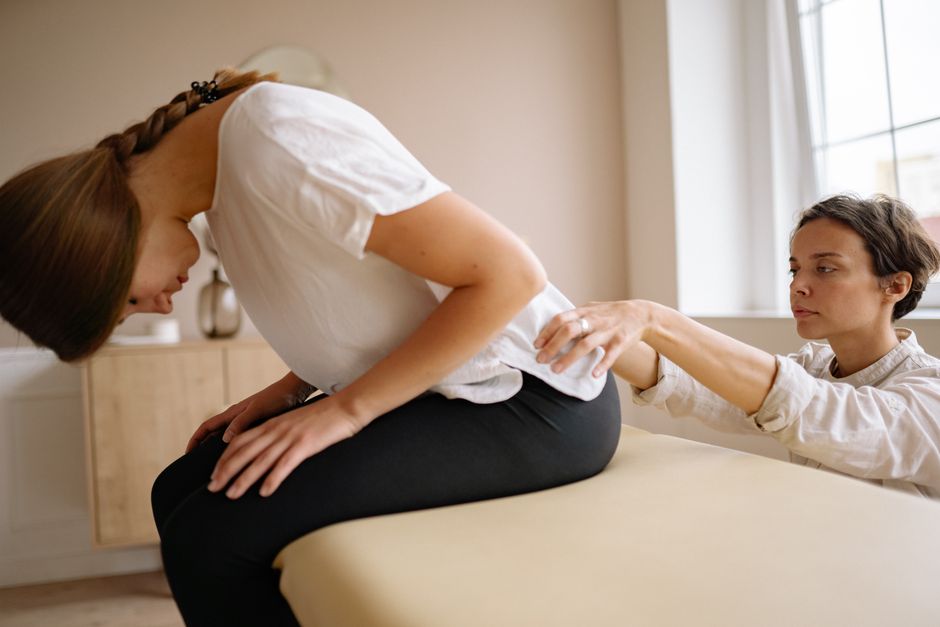
Lower back pain in pregnancy often starts in the second trimester, between weeks 20 and 28. Some women notice it as early as the first trimester, though this is less common. The pain usually increases as the pregnancy progresses and the baby grows.
When Does Lower Back Pain in Pregnancy Typically Start?
For most pregnant women, lower back pain begins around the fifth or sixth month. This timing lines up with significant physical changes. The growing uterus shifts your center of gravity forward. Your posture changes to compensate, putting extra strain on the lower back muscles and spine.
Hormonal changes also play a role. Relaxin, a hormone released during pregnancy, relaxes the ligaments in your pelvis and lower back. This loosening helps prepare your body for birth, but it can also reduce joint stability and contribute to pain. Relaxin levels rise early in pregnancy, which is why some women feel back pain sooner.
Research consistently shows that pregnancy-related back pain affects 50 to 80 percent of pregnant women. It is one of the most common discomforts of pregnancy. The pain can range from a dull ache to sharp, shooting sensations.
What Causes Lower Back Pain During Pregnancy?
Several factors work together to cause lower back pain in pregnancy. Understanding these can help you manage the discomfort more effectively.
Weight gain. Gaining weight is necessary for a healthy pregnancy. But the extra pounds, especially around the belly, pull your pelvis forward and increase the curve in your lower back. This posture puts constant pressure on the lumbar spine.
Hormonal changes. As mentioned, relaxin loosens ligaments. This can make the sacroiliac joints and pubic symphysis less stable, leading to pain in the lower back and pelvis.
Postural shifts. Your growing bump forces you to lean back slightly to stay balanced. This posture, sometimes called the “pregnancy swayback,” tightens the lower back muscles and can lead to muscle fatigue and pain.
Muscle separation. The rectus abdominis muscles can separate along the midline during pregnancy. This is called diastasis recti. When your abdominal muscles weaken, your lower back has to work harder to support your torso, often leading to pain.
Stress and fatigue. Physical and emotional stress can cause muscle tension, especially in the back. Poor sleep and exhaustion, common in later pregnancy, make it harder for your body to recover from daily strain.
How Does Lower Back Pain Change as Pregnancy Progresses?
The nature of lower back pain often shifts throughout pregnancy.
First trimester (weeks 1–13). Some women report mild lower back pain early on. This is usually related to hormonal changes and the early growth of the uterus. The pain tends to be a dull ache, similar to menstrual cramps. However, first trimester back pain is less common than in later stages.
Second trimester (weeks 14–27). This is when back pain most often begins. The uterus expands rapidly, and the center of gravity starts to shift. Relaxin levels remain high. Many women first notice pain during this period, as their bodies adjust to the growing baby.
Third trimester (weeks 28–40). Back pain typically peaks during the third trimester. The baby’s weight, the forward tilt of the pelvis, and the continued release of relaxin all contribute. The pain may become sharper or more persistent. Activities like standing, walking, or turning over in bed can aggravate it.
Postpartum, many women find their back pain improves within a few weeks. But for some, it persists due to weakened abdominal muscles or lingering postural changes. Physical therapy can help if the pain does not resolve.
-
 Is Lower Back Pain an Early Sign of Pregnancy? The Real Answer
 -
How to Help Lower Back Pain During Pregnancy? Tips That Actually Work
-
Is Back Pain Normal During Early Pregnancy? The Real Answer
-
How to Use Pregnancy Pillow for Back Pain? What Really Works Best
-
Joint Genesis Reviews 2025. Does Biodynamix Supplement Work





What Are the Treatment Options for Pregnancy-Related Back Pain?
Treatment for back pain during pregnancy focuses on relieving symptoms safely for both mother and baby. Most approaches involve conservative, non-drug methods.
Exercise. Gentle exercise is often recommended. Prenatal yoga, walking, swimming, and stretching can strengthen core and back muscles. The American College of Obstetricians and Gynecologists advises that moderate exercise is safe during pregnancy unless you have specific complications. Check with your healthcare provider before starting a new routine.
Physical therapy. A physical therapist trained in prenatal care can teach you exercises to stabilize the pelvis and strengthen the back. They may also use manual therapy techniques or recommend a pregnancy support belt.
Heat and cold therapy. Applying a heating pad or warm compress to the lower back for 15–20 minutes can relax tense muscles. Some women prefer cold packs for inflammation. Use low heat and avoid placing heat directly on the belly for extended periods.
Acetaminophen (Tylenol). If pain is severe and other methods are not enough, acetaminophen is generally considered safe during pregnancy. Always check with your doctor or midwife before taking any medication. Nonsteroidal anti-inflammatory drugs (NSAIDs) like ibuprofen are usually avoided in pregnancy, especially after 20 weeks, because of potential risks to the baby.
Massage and chiropractic care. Prenatal massage by a trained therapist can reduce muscle tension. Chiropractic adjustments may help with pelvic alignment. Make sure the provider has experience with pregnant clients.
Support belts. A maternity support belt can take pressure off the lower back. These belts wrap around the belly and under the bump. Some women find them helpful for standing or walking.
The evidence for many of these treatments is limited. Small studies show benefit for exercise, physical therapy, and acupuncture, but large trials are lacking. Speak openly with your provider about what has worked for others and what might be appropriate for you.
When Should You Call a Doctor About Pregnancy Back Pain?
Most lower back pain in pregnancy is normal and not a sign of a problem. But some symptoms warrant a call to your healthcare provider.
- Pain that is severe, sudden, or getting worse over a short time
- Pain accompanied by vaginal bleeding, spotting, or fluid leakage
- Fever or chills along with back pain
- Painful urination or blood in the urine
- Numbness or tingling in your legs or feet
- Pain that comes and goes in a rhythmic pattern (possible sign of early labor)
Back pain alone does not mean you are in labor. But if you are past 37 weeks and feel rhythmic lower back pressure, it could be a sign that labor is starting. Call your provider if you are unsure.
Back pain can also be a symptom of a urinary tract infection or kidney infection. Pregnant women are at higher risk for UTIs, and a kidney infection can cause flank pain on one side. Fever, nausea, or pain with urination require medical attention.
Can You Prevent Lower Back Pain During Pregnancy?
Prevention is not always possible, but you can reduce your risk of developing severe back pain.
Maintain good posture. Stand tall with your shoulders back and your buttocks tucked in. Avoid locking your knees. When sitting, use a chair with good lumbar support or place a small pillow behind your lower back.
Sleep on your side. Sleeping on your side, especially the left side, improves blood flow to the baby and takes pressure off your back. Place a pillow between your knees to keep your hips aligned.
Lift correctly. Bend at your knees, not your waist. Hold objects close to your body. Avoid lifting heavy items when possible. Ask for help with groceries, children, or other heavy loads.
Wear comfortable shoes. Low-heeled shoes with good arch support can improve your posture. Avoid high heels or completely flat unsupportive shoes.
Stay active. Regular, gentle exercise throughout pregnancy can strengthen your core and back. Squats, pelvic tilts, and cat-cow stretches are safe for most women.
No single prevention method guarantees you will avoid back pain. But combining good habits may lower your chances of developing significant discomfort.
Frequently Asked Questions
Is lower back pain normal in early pregnancy?
Yes, some women experience mild lower back pain in the first trimester due to hormonal changes and the uterus beginning to expand. However, it is less common than in the second and third trimesters.
Does lower back pain mean labor is starting?
Not usually. Many women have back pain throughout pregnancy. But if you are near your due date and feel rhythmic lower back pressure that comes and goes, it could be a sign of labor. Contact your provider if you are uncertain.
Can I use a heating pad for pregnancy back pain?
Yes, you can use a heating pad on low heat for 15 to 20 minutes on your lower back. Avoid placing it directly on your belly. Heat can relax tense muscles and improve blood flow. Stop if you feel dizzy or overheated.
What pain relievers are safe for back pain during pregnancy?
Acetaminophen (Tylenol) is generally considered safe in pregnancy when taken as directed. Do not take ibuprofen, naproxen, or other NSAIDs without talking to your doctor first, especially after 20 weeks. Always check with your provider before using any medication during pregnancy.
