
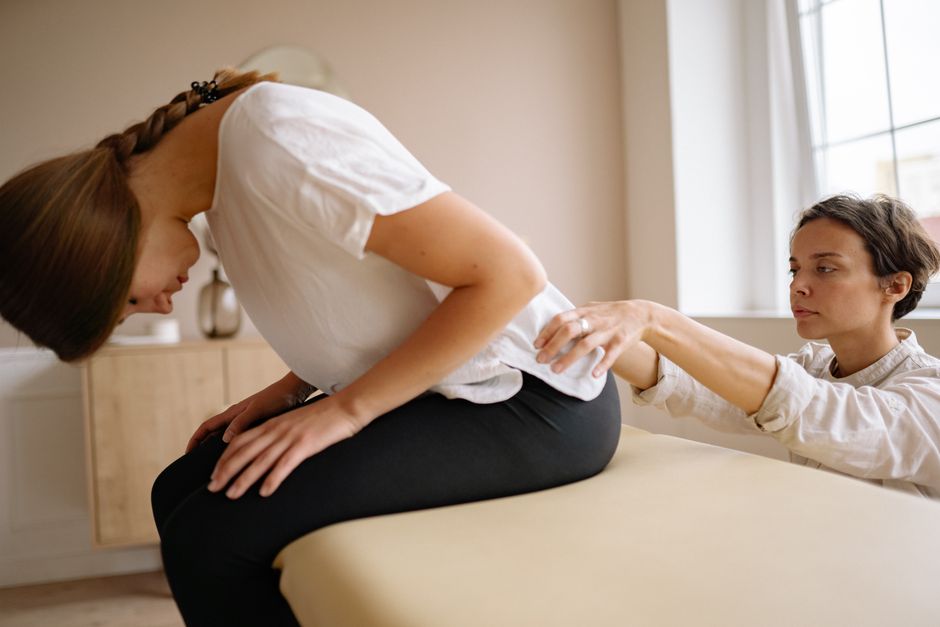
Lower back pain during pregnancy is very common, but it can be managed. To help lower back pain during pregnancy, focus on gentle movement, good posture, and simple supports like a maternity belt or a pillow between your knees. Always check with your doctor or midwife before starting anything new, especially if your pain is severe or sudden. There is no single cure, but the right combination of habits can make a real difference.
Why does lower back pain happen during pregnancy?
Your body changes a lot during pregnancy. Hormones like relaxin loosen your joints and ligaments to prepare for birth. This extra flexibility can make your lower back less stable. Your growing belly shifts your center of gravity forward, and your lower back curves more to compensate. That curve puts extra strain on the muscles and joints. Weight gain also adds pressure. For most women, this pain starts in the second trimester and continues as the baby grows. Muscle strain, not damage, is the typical cause.
What are the most effective ways to help lower back pain during pregnancy?
The evidence supports a few key approaches. Physical activity is one of the best. Gentle stretching, walking, and water exercise can strengthen the muscles that support your spine. Pelvic tilts and cat‑cow stretches are often recommended by physical therapists. Many women also benefit from a maternity support belt that takes some weight off the lower back. Sleeping with a pillow between your knees or a full‑body pregnancy pillow can help keep your spine aligned. Heat packs applied to the lower back for 15‑20 minutes can relax tight muscles. Some research suggests that prenatal yoga and massage may reduce pain, though the quality of studies is limited. The common thread is movement and support — not rest.
Which exercises are safe for pregnancy back pain?
Most low‑impact exercises are safe if your pregnancy is healthy. Walking is the simplest and has the least risk. Swimming or water walking takes weight off your joints and can feel very relieving. Pelvic tilts can be done standing or on hands and knees. To do one, gently rock your pelvis forward and back while keeping your belly tight. Cat‑cow stretches: arch your back up like a cat, then let it sink down slowly. Always avoid lying flat on your back after the first trimester — it can reduce blood flow. Also avoid any exercise that involves twisting your torso sharply or lying on your stomach. If an exercise hurts, stop immediately. A physical therapist who works with pregnant women can give you a customized plan.





Do maternity belts and pillows really work?
Many women find noticeable relief from maternity support belts. A belt sits under your belly and transfers some weight to your hips, reducing the pull on your lower back. Clinical studies are small, but results generally show reduced pain and improved function. Pregnancy pillows — especially full‑body style — help you maintain side‑lying position with knees bent. That alignment takes pressure off the lower back. Neither is a cure, but they are widely used and considered safe. The evidence is strongest for short‑term relief.
Can chiropractic care or massage help during pregnancy?
Chiropractic adjustments during pregnancy are considered safe when performed by a practitioner trained in prenatal care. The technique uses modified positions to avoid pressure on the belly. A few small studies report reduced back pain, but larger controlled trials are lacking. Massage therapy is also generally safe if the therapist knows pregnancy protocols — for example, avoiding deep pressure on certain points and using side‑lying positioning. No high‑quality evidence proves massage reduces pregnancy back pain long‑term, but many women report temporary relief. The main risk is low when you choose a qualified provider. Always inform your healthcare provider first.
When should you see a doctor for pregnancy back pain?
Mild to moderate back pain during pregnancy is normal. But you should contact your doctor if the pain is severe, comes on suddenly, or gets steadily worse. Also seek help if you have vaginal bleeding, fever, pain when urinating, or numbness in your legs or groin. These can be signs of preterm labor, kidney infection, or other conditions. Back pain alone is rarely an emergency, but it is important to rule out more serious causes. Your doctor can also refer you to physical therapy or recommend safe pain relief options.
Frequently Asked Questions
Is it safe to take over‑the‑counter pain relievers for pregnancy back pain?
Acetaminophen (Tylenol) is generally considered the safest option during pregnancy, but you should still use the lowest effective dose for the shortest time. Ibuprofen and other NSAIDs are usually avoided, especially after 20 weeks, because they can affect the baby’s kidneys and heart.
Can I use a heating pad on my lower back while pregnant?
Yes, a heating pad on a low or medium setting placed on your lower back for 15–20 minutes is safe for most pregnant women. Do not place it directly on your belly and avoid falling asleep with it on.
Does sleeping position affect pregnancy back pain?
Yes, sleeping on your side with your knees bent and a pillow between your legs helps keep your spine aligned and reduces strain on your lower back. Avoid sleeping flat on your back after the first trimester.
