
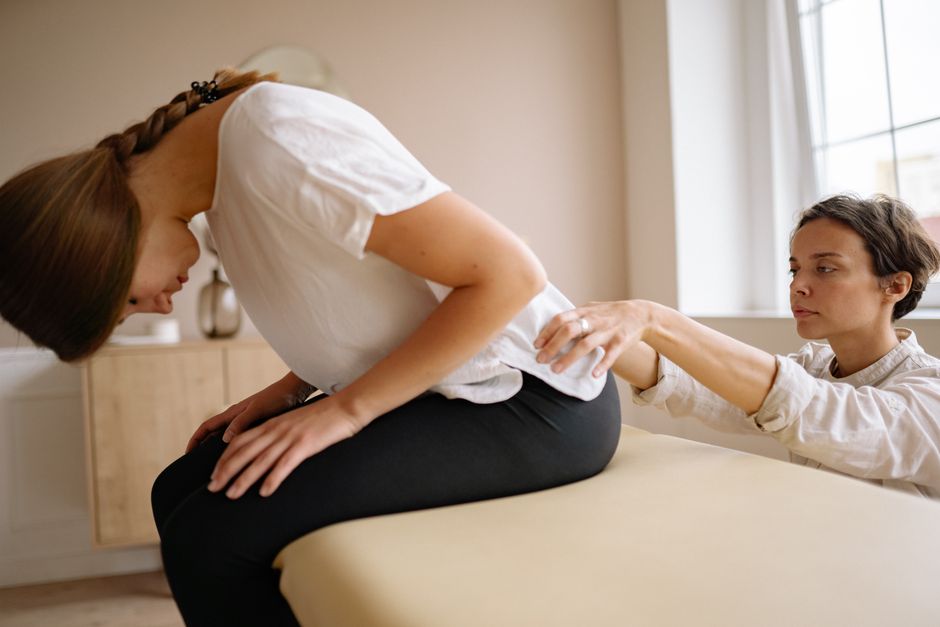
Back pain is one of the most common complaints during pregnancy. You can relieve it with gentle exercise, good posture, and safe body mechanics. Always check with your doctor before starting any new treatment or exercise routine.
What causes back pain during pregnancy?
Several changes in your body lead to back pain. Hormones called relaxin loosen your joints and ligaments to prepare for birth. This can make your pelvic joints less stable and put more strain on your back.
Your center of gravity shifts forward as your belly grows. This pulls your lower spine into a deeper curve. Your back muscles have to work harder to keep you upright. Over time, this creates muscle fatigue and pain.
Weight gain also adds stress. The extra pounds pull on your spine and pelvis. The lower back bears most of this load. Many women feel the pain most in the lumbar area, but it can also spread into the buttocks and legs.
Your abdominal muscles stretch and weaken as the uterus expands. This leaves your lower back with less support. Without strong abs, the spine takes the extra force from everyday movements like bending or standing.
How can I relieve back pain during pregnancy safely?
Many safe options can help you relieve back pain during pregnancy. The goal is to reduce strain and strengthen the muscles that support your spine. No single method works for everyone, so try different approaches.
Gentle exercise is one of the best tools. Walking, swimming, and prenatal yoga keep your back muscles flexible and strong. These activities also improve circulation and reduce stiffness. Stop if you feel sharp pain or dizziness.
Good posture makes a real difference. Stand tall with your shoulders back and your weight evenly on both feet. Avoid locking your knees. When sitting, use a chair with good lower back support. Place a small pillow behind your lower back if needed.
Use proper body mechanics. Bend at your knees, not your waist, when lifting anything off the floor. Keep objects close to your body. Avoid twisting while lifting. Wear low, supportive shoes instead of heels or flat unsupportive sandals.
Heat and cold can help. Apply a warm compress or heating pad on the lowest setting to sore muscles for 15–20 minutes. Never place heat directly on your belly. Cold packs can reduce inflammation for the first 48 hours after a flare-up. Always wrap ice or cold packs in a cloth.
Consider a maternity support belt. These belts lift the belly and take pressure off the lower back. Some research suggests they reduce pain during daily activities. Look for one that fits snugly but does not press into your belly.
What exercises are safe for pregnancy back pain?
Moderate exercise during pregnancy is safe for most women. Always get your doctor’s approval first. Stop any exercise that causes pain, bleeding, or dizziness.
Walking is the simplest and safest option. It strengthens your legs and back without jarring your joints. Aim for 20–30 minutes most days if you feel well.
Swimming and water aerobics take the weight off your joints. The buoyancy of water supports your belly and reduces spine pressure. Many women find this the most comfortable way to stay active.
Prenatal yoga focuses on stretching and strengthening the back and core. Cat-cow stretch, child’s pose, and pelvic tilts are common moves. Avoid deep backbends or poses that require lying flat on your back after the first trimester.
Pelvic tilts relieve lower back tension. Stand with your back against a wall. Tilt your pelvis so your lower back presses flat against the wall. Hold for a few seconds and release. Repeat 10 times.
Avoid exercises that involve jumping, sudden direction changes, or lying on your belly. After 16 weeks, avoid any exercise flat on your back for more than a few minutes—the weight of the uterus can compress blood vessels.
-
 How Do You Get Rid of Back Pain During Pregnancy? What to Know
 -
Is Back Pain Normal During Early Pregnancy? The Real Answer
-
How to Help Lower Back Pain During Pregnancy? Tips That Actually Work
-
When Should I Worry About Back Pain in Pregnancy? The Real Answer
-
Joint Vive Reviews And Complaints 2026: Consumer Reports & Ratings





When should I see a doctor for pregnancy back pain?
Mild back pain is normal during pregnancy. But certain signs need medical attention right away. Call your doctor if you have severe pain that does not improve with rest or position changes.
Other red flags include: pain that comes and goes like contractions, pain with vaginal bleeding or fluid leakage, fever or chills, numbness or weakness in your legs, trouble walking, or loss of bladder or bowel control. These can signal preterm labor, kidney infection, or a nerve problem.
If your pain is constant and interferes with daily life, see your doctor. They may refer you to a physical therapist or a specialist who works with pregnant women.
Can chiropractic or massage help?
Some women find relief with chiropractic care or massage. The evidence is limited but suggests these methods may reduce pain for some people. Both are generally considered safe during pregnancy if done by a trained professional.
Look for a chiropractor who has experience treating pregnant women. They use special tables and avoid techniques that could harm the pregnancy. The Webster technique is a common approach for pelvic alignment in pregnancy, but research on its effectiveness is mixed.
Prenatal massage uses lighter pressure and avoids certain points on the body. Massage therapists position you on your side with pillows for support. Always tell your therapist you are pregnant. Some studies indicate massage can lower stress hormones and reduce back pain short term.
These treatments are not proven to prevent pregnancy complications or improve delivery outcomes. Use them only for pain relief. Keep your doctor informed of any therapies you try.
What about medication for pregnancy back pain?
Medication should be a last choice during pregnancy. No drug is completely free of risk. Always talk to your doctor before taking anything.
Acetaminophen (Tylenol) is the most commonly recommended pain reliever. Use the lowest dose that works and take it for the shortest time possible. Some research has linked regular acetaminophen use in pregnancy to a slightly higher risk of ADHD or asthma in children. The evidence is not strong enough to say it is unsafe, but it does favor caution.
Nonsteroidal anti-inflammatory drugs (NSAIDs) like ibuprofen (Advil, Motrin) and naproxen (Aleve) are generally avoided during pregnancy, especially in the third trimester. They can cause problems with the baby’s heart and reduce amniotic fluid. Do not take them without your doctor’s explicit guidance.
Prescription painkillers, muscle relaxants, and nerve pain medications are rarely prescribed during pregnancy. Their safety is not well established. Only use them if a doctor prescribes them for a specific condition.
Topical creams and patches may have less risk because they are absorbed in small amounts. But ingredients vary widely. Check with a pharmacist or doctor before using any cream.
How can I prevent back pain during pregnancy?
You cannot prevent all back pain, but you can reduce your risk. The best time to start is before pregnancy or early in the first trimester. Strengthening your core and back muscles builds a foundation that supports your changing body.
Practice good posture from the start. Keep your shoulders back and your pelvis neutral. When standing for long periods, place one foot on a low stool to take pressure off your lower back.
Sleep on your side with a pillow between your knees. This keeps your hips and pelvis aligned. A full-length pregnancy pillow can support your belly and back at the same time.
Avoid heavy lifting when possible. If you must lift something, keep your back straight and use your legs. Do not twist your body while holding weight.
Wear supportive shoes. Low-heeled shoes with good arch support help you maintain balance and reduce strain on your back. Avoid flat sandals or worn-out sneakers.
Stay active throughout your pregnancy. Regular exercise strengthens the muscles that stabilize your spine. Even light walking helps maintain mobility and prevents stiffness.
Frequently Asked Questions
Is back pain a sign of labor?
Back pain can be part of early labor, but most back pain during pregnancy is not labor. If your back pain comes and goes in a regular pattern and is accompanied by contractions, fluid leakage, or bleeding, call your doctor.
What is the best sleeping position for back pain during pregnancy?
Sleep on your side with a pillow between your knees and one under your belly. This keeps your spine aligned and takes pressure off your lower back.
Can I use a heating pad for pregnancy back pain?
Yes, but only on the lowest setting and for no more than 15–20 minutes at a time. Never place heat directly on your belly.
Is it safe to use a TENS unit during pregnancy?
The evidence is limited. Many healthcare providers advise against TENS units during pregnancy because the safety for the baby has not been proven. Always ask your doctor before using one.
