
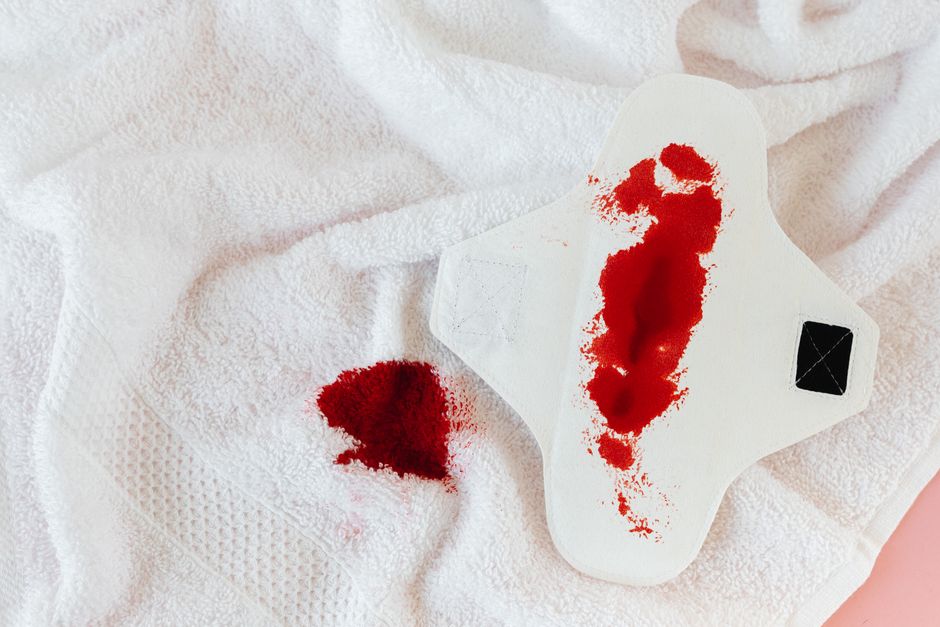
Ovulation spotting is light bleeding that happens around the time an egg is released from the ovary. The blood is usually light pink or brown, not bright red. It is typically very light—just a few streaks on toilet paper or a small spot on underwear. The spotting usually lasts one to two days and occurs mid-cycle, about 14 days before your next period starts (in a typical 28-day cycle). This is a normal sign of ovulation for some women, though not everyone experiences it.
What Is Ovulation Spotting?
Ovulation spotting, also called mid-cycle spotting, happens when a small amount of the uterine lining sheds during ovulation. The hormone estrogen rises in the first half of your cycle to thicken the uterine lining. Just before ovulation, estrogen dips slightly. That temporary drop can cause a little lining to break away and be released as spotting.
The spotting occurs around the time the ovary releases the egg. This release is triggered by a surge in luteinizing hormone (LH). The spotting itself is not the egg breaking out—it is the uterus responding to the hormone shift.
Not every woman notices ovulation spotting. For those who do, it can be a helpful clue when trying to conceive or simply tracking cycle patterns. But it is not a reliable sign on its own because many factors can cause mid-cycle bleeding.
What Does Ovulation Spotting Look Like?
Ovulation spotting is light and usually pink or brown. Pink spotting suggests fresh blood mixed with cervical fluid. Brown spotting means older blood that took longer to exit the uterus. The color is never bright red like a period. The amount is very small—just a few drops or streaks. It rarely soaks a panty liner.
The spotting often appears as a light discharge when you wipe. Some women see tiny flecks of blood in their cervical mucus. The mucus around ovulation is clear and stretchy, like raw egg white. When spotting mixes with that mucus, it may look like pinkish or brownish streaks.
Timing is the key clue. Ovulation spotting happens mid-cycle, typically between day 10 and day 16 in a regular cycle. If you track your cycle, it usually appears one to two days before ovulation and can last up to two days after. The bleeding stops on its own and does not get heavier.
How Is Ovulation Spotting Different from Implantation Bleeding?
Implantation bleeding is another common type of light spotting during early pregnancy. Many women confuse the two. The main difference is timing.
Ovulation spotting happens about 14 days before your next period. Implantation bleeding happens about 6 to 12 days after ovulation—closer to when your period is due. Implantation bleeding is also typically very light and short, but it may be pink, brown, or even a faint red.
Another difference: implantation bleeding often occurs around the time you would normally expect your period. Ovulation spotting happens in the middle of your cycle. If you are unsure, tracking your cycle and noting other signs like cervical mucus and basal body temperature can help distinguish the two. No single sign confirms pregnancy—only a pregnancy test can do that.




How Common Is Ovulation Spotting?
Ovulation spotting is not rare, but it does not happen for everyone. Evidence indicates that ovulation spotting occurs in a small percentage of menstrual cycles—some estimates suggest roughly 5% to 10% of cycles. Many women never notice it, and some may experience it only occasionally.
Because the spotting is so light, it can be easy to miss. Some women may mistake it for light breakthrough bleeding from other causes, such as stress, hormonal birth control, or a short luteal phase. If you consistently notice mid-cycle spotting for several cycles, it may be a normal pattern for your body. If it is new or changes suddenly, it is worth checking with a healthcare provider.
When Should You Track Ovulation Spotting?
Tracking ovulation spotting can be useful if you are trying to get pregnant. It signals that ovulation may be near, which is your most fertile window. However, it is not as reliable as other methods such as ovulation predictor kits (which detect the LH surge) or tracking basal body temperature.
Some women use spotting along with cervical mucus changes and calendar tracking to pinpoint ovulation. That combination is more accurate than spotting alone. If you notice spotting mid-cycle consistently, you can note it on your chart as a secondary sign. But do not rely on it as your only method—it is not precise enough.
Can Ovulation Spotting Be a Sign of Something Else?
Yes. Mid-cycle bleeding is not always ovulation spotting. Other causes include:
- Cervical issues – A cervical polyp, infection, or irritation can cause light bleeding, especially after intercourse or a pelvic exam.
- Hormonal imbalance – Low progesterone or thyroid problems may cause breakthrough bleeding in the middle of your cycle.
- Uterine fibroids or polyps – These growths can cause spotting that is not related to ovulation.
- Infection – Sexually transmitted infections or pelvic inflammatory disease can cause irregular bleeding.
- Birth control – Hormonal contraceptives, especially during the first few months, can cause breakthrough spotting.
- Pregnancy – Implantation bleeding is a possibility if the spotting occurs later in the cycle.
If you have mid-cycle bleeding that lasts more than three days, is heavy (soaking a pad), or occurs with pain, fever, or odor, see a healthcare provider. Also see a provider if the spotting is new for you and does not follow a clear pattern.
How to Confirm You Are Ovulating
Ovulation spotting is a clue, not proof. If you want to confirm ovulation, the most accurate methods are:
- Ovulation predictor kits (OPKs) – These detect the LH surge that occurs 24–36 hours before ovulation.
- Basal body temperature (BBT) tracking – Your temperature rises about 0.5 to 1 degree Fahrenheit after ovulation and stays up until your period.
- Cervical mucus observation – Mucus becomes clear, slippery, and stretchy like egg white in the days before ovulation.
- Mid-cycle ultrasound – Done by a doctor to directly see the follicle releasing the egg.
- Progesterone blood test – A level above 3 ng/mL around day 21 of a 28-day cycle confirms ovulation.
None of these methods except ultrasound and blood test are 100% reliable, but tracking multiple signs together gives a good picture. Ovulation spotting can be added as a supporting sign, but it should not be your primary method.
Frequently Asked Questions
Can ovulation spotting be heavy?
No, ovulation spotting is always light—just a few drops or streaks. If you have heavier bleeding, it is likely another cause such as a hormonal imbalance or uterine issue.
How long does ovulation spotting last?
Ovulation spotting usually lasts one to two days, sometimes just a few hours. If it continues for more than three days, talk to your doctor.
Does ovulation spotting mean you are fertile?
It suggests ovulation is happening or about to happen, so yes, you are likely in your fertile window. But spotting alone does not guarantee you ovulated—use more reliable methods to confirm.
Can you have ovulation spotting while on birth control?
Yes, hormonal birth control can cause breakthrough spotting at any point in the cycle, including mid-cycle. That spotting is usually due to the birth control itself, not ovulation. Many types of hormonal birth control suppress ovulation.
