
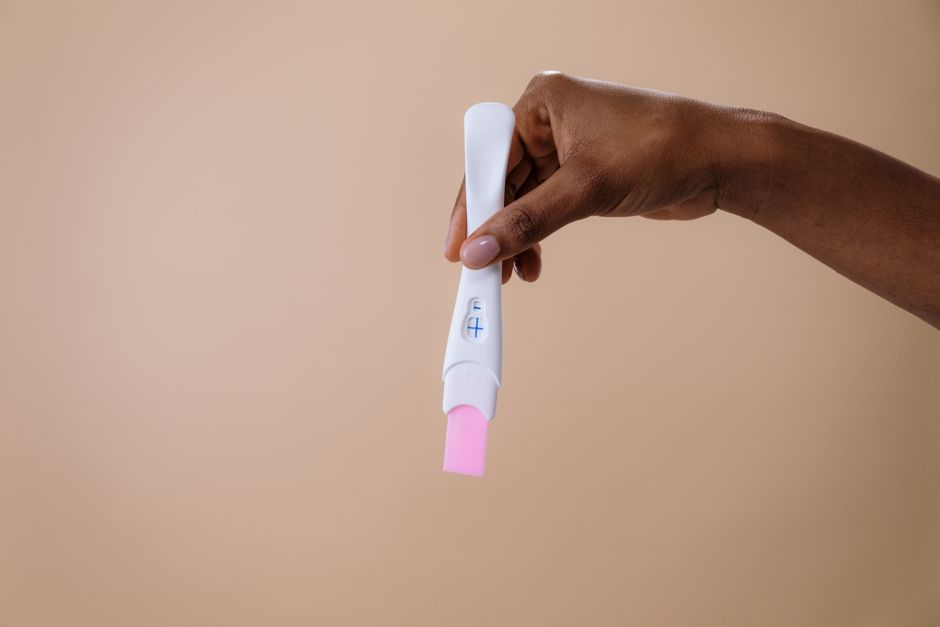
A pregnancy test can absolutely be positive at 2 weeks after conception. In fact, this is the earliest point when most home tests can reliably detect the pregnancy hormone hCG. If you mean 2 weeks after your last period, that is too early for a positive test. Timing depends entirely on when ovulation and implantation actually occurred.
Can Pregnancy Test Be Positive At 2 Weeks
Yes, a pregnancy test can be positive at 2 weeks after conception. This is roughly the time of your missed period if you have a typical 28-day cycle. Home pregnancy tests detect human chorionic gonadotropin (hCG), a hormone your body only produces during pregnancy.
After a fertilized egg implants in the uterus, hCG levels rise quickly. They typically double every 48 to 72 hours in early pregnancy. By 2 weeks after conception, most women have enough hCG in their urine for a home test to detect it.
The accuracy at this point depends on the sensitivity of the test and the timing of implantation. Some tests can detect hCG levels as low as 10 mIU/mL, while standard tests detect around 25 mIU/mL. Most women will have levels well above this threshold by 2 weeks post-conception.
How hCG Levels Build in Early Pregnancy
Understanding hCG helps explain why timing matters. The embryo implants into the uterine lining about 6 to 10 days after fertilization. Only after implantation does hCG enter your bloodstream and eventually your urine.
At implantation, hCG levels are very low — often below 5 mIU/mL. Within a few days, levels rise to 25 mIU/mL and continue climbing. By the time you are 2 weeks past conception, typical hCG levels range from 50 to 500 mIU/mL.
This is why testing too early produces false negatives. If you test before implantation occurs, there is simply no hCG in your system yet. The test is not wrong — the hormone is just not present.
Urine concentration also matters. First morning urine contains the highest concentration of hCG because you have not been drinking fluids overnight. Testing later in the day with diluted urine can lower the detectable level.
When Exactly Should You Test
The most reliable time to take a home pregnancy test is the first day of your missed period. For a woman with a regular 28-day cycle, this is about 14 days after ovulation and roughly 2 weeks after conception.
Testing earlier than this can give you a negative result even if you are pregnant. The test may not detect the low levels of hCG present before your missed period. Some highly sensitive tests claim to detect pregnancy up to 5 days before your missed period, but results vary by individual.
Factors that affect when you get a positive result include:
- The exact day of implantation — earlier implantation means earlier detectable hCG
- The sensitivity of the specific test brand
- How concentrated your urine is at the time of testing
- Whether you have irregular cycles that make ovulation timing uncertain
If you get a negative result but your period does not arrive, wait 3 to 5 days and test again. hCG levels rise quickly, so a repeat test a few days later often gives a clear answer.




What a Faint Positive Line Means
A faint line on a pregnancy test is still a positive result. Home tests are designed to show any detectable level of hCG, not just high levels. A faint line typically means your hCG level is still low but present.
This commonly happens when you test very early — around the time of your missed period or a few days before. As hCG levels rise, the line will become darker on subsequent tests. A faint line does not indicate a problem with the pregnancy.
However, you should read the test within the time window specified in the instructions. Tests left sitting for hours can develop evaporation lines that look like faint positives. Always follow the timing instructions on the package.
If you see any line at all within the correct reading window, consider it positive. Confirm with a digital test or a blood test from your doctor if you want certainty.
Can You Get a False Positive at 2 Weeks
False positives are rare but possible. The most common cause is testing too soon after a miscarriage or abortion, when hCG from the previous pregnancy is still in your system. This residual hCG can take weeks to clear completely.
Certain medications containing hCG can also cause false positives. These are typically fertility treatments such as injections used to trigger ovulation. If you are not taking fertility medications, a false positive is very unlikely.
Medical conditions that produce hCG are extremely rare. Some ovarian tumors and other cancers can produce hCG, but this is uncommon. An ectopic pregnancy will also produce a positive test, so any positive result warrants follow-up with a healthcare provider.
If you get a positive result, it is almost certainly correct. Home pregnancy tests are about 99% accurate when used correctly. A positive result at 2 weeks is a strong indicator of pregnancy.
What If You Test Negative at 2 Weeks
A negative test at 2 weeks after conception is possible even if you are pregnant. This usually happens when implantation occurred later than average or when you tested with diluted urine. Late implantation pushes the timeline back by several days.
If your period is late but your test is negative, wait a few days and test again. hCG levels double every couple of days, so a test taken 3 to 4 days later will be much more reliable. Testing too early is the most common reason for false negatives.
If you have irregular periods, your ovulation date may be later than you think. Conception may have occurred more recently than you estimated, meaning you are not actually 2 weeks past conception yet. Tracking ovulation with basal body temperature or ovulation predictor kits can help clarify timing.
Some women simply have lower hCG levels in early pregnancy. Their tests turn positive later than average — sometimes a week or more after a missed period. This is not necessarily a sign of any problem.
Blood Tests vs. Home Urine Tests
Blood tests for pregnancy are more sensitive than urine tests. A blood test can detect hCG levels as low as 1 to 5 mIU/mL, which means it can turn positive several days earlier than most home tests. Blood tests can detect pregnancy as early as 6 to 8 days after ovulation.
There are two types of blood pregnancy tests. A qualitative test simply gives a yes or no answer. A quantitative test measures the exact amount of hCG in your blood, which can help track how the pregnancy is progressing.
Doctors may order a quantitative blood test if there is concern about an ectopic pregnancy or a possible miscarriage. Serial measurements taken 2 to 3 days apart can show whether hCG levels are rising appropriately. In a healthy pregnancy, levels should increase significantly over this period.
For most women, a home urine test is sufficient. Blood tests are not needed routinely unless there is a medical reason. If you want the earliest possible answer, a blood test can provide it.
Frequently Asked Questions
How many days past ovulation can a pregnancy test be positive?
Most home tests turn positive 12 to 14 days past ovulation, which is around the time of your missed period. Some sensitive tests can detect pregnancy as early as 8 to 10 days past ovulation.
Can a pregnancy test be positive at 1 week after conception?
A positive result at 1 week after conception is unlikely because implantation often has not occurred yet. hCG only begins to rise after implantation, which typically happens 6 to 10 days after fertilization.
Why is my pregnancy test negative but I have pregnancy symptoms?
Pregnancy symptoms like fatigue, nausea, and breast tenderness can occur before hCG levels are detectable. These symptoms are also caused by progesterone, which rises after ovulation regardless of whether you are pregnant.
Is a faint positive line at 2 weeks a real pregnancy?
Yes, a faint positive line is a real positive result. It simply means your hCG level is still low, which is normal at 2 weeks after conception.
