
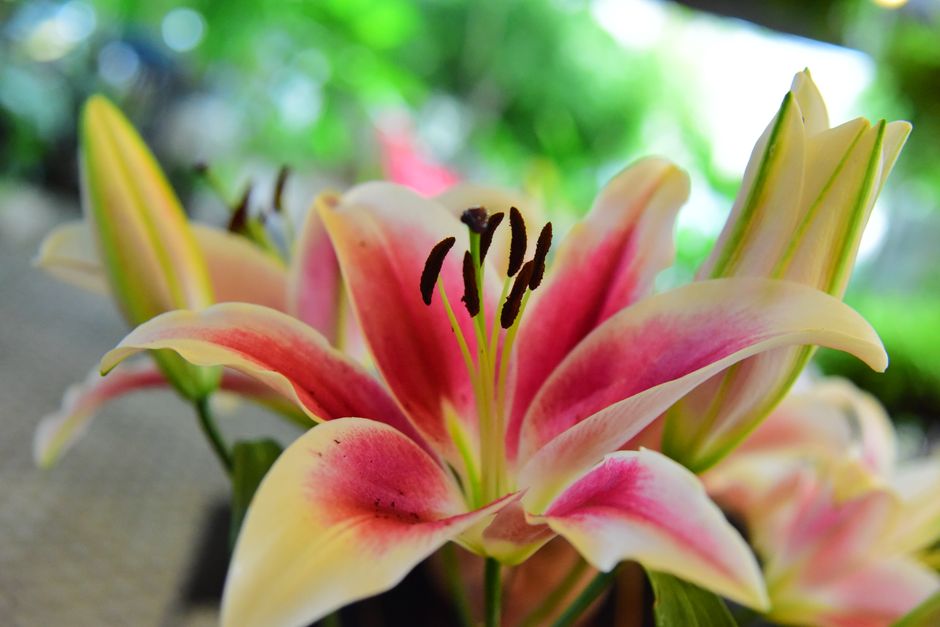
Prune Asiatic lilies after the blooms fade but while the stem and leaves are still green. Cut the flower stalk down to the base, but leave the main stem and all foliage until it turns yellow or brown in late fall. This timing lets the plant store energy in the bulb for next year’s flowers. Stop cutting once the leaves die back completely, then remove the remaining stem at ground level.
When exactly should you prune Asiatic lilies after flowering?
Start pruning as soon as the last flower petal drops. The exact timing depends on your region and the specific variety, but most Asiatic lilies bloom from early to midsummer. Do not wait weeks after flowering ends. The sooner you remove the spent flower head, the more energy the plant saves.
Leave the stem and all green leaves in place. Those leaves are still photosynthesizing and sending energy down to the bulb. The bulb needs that energy to produce next year’s flowers. If you cut the stem early, the bulb gets less food and the plant will have fewer or smaller blooms next season.
Research from the North American Lily Society confirms that removing only the spent flower head — not the stem — is the correct approach. This practice is sometimes called “deadheading.” It prevents the plant from putting energy into seed production and redirects that energy into the bulb instead.
What is the correct way to cut back Asiatic lily stems?
Use clean, sharp pruners or scissors. Make a clean cut just above the base of the flower stalk, where it meets the main stem. Do not pull or twist the flower head off — that can damage the stem and leave jagged edges that invite disease.
Once the entire stem and all leaves turn yellow or brown — usually in late fall — cut the stem down to ground level. Leave about one inch of stem above the soil. This small stub marks where the bulb is and prevents you from accidentally digging into it later.
Some gardeners prefer to wait until spring to remove dead stems, especially in colder climates. The dried stem can help mark the bulb location and provide a tiny bit of winter protection. Either approach works. The key is not removing green growth too early.
Why does pruning timing matter for bulb health?
Asiatic lily bulbs are perennial storage organs. They depend on the leaves to produce carbohydrates through photosynthesis during the growing season. Those carbohydrates move down into the bulb scales and fuel next year’s growth and flowering.
Cutting leaves while they are still green stops this process. The bulb receives less energy. Over several seasons, the bulb shrinks, produces smaller flowers, or stops blooming entirely. A study published in HortScience found that removing foliage from lily bulbs before natural senescence reduced bulb weight by 30 to 50 percent compared to bulbs allowed to mature normally.
The rule is simple: leave every green leaf until it naturally yellows. Do not braid, tie, or fold leaves to make the plant look neater. That reduces their surface area and lowers photosynthesis. Let the plant look messy for a few weeks. The bulb will thank you next year.





What should you do with lily stems after pruning?
Remove all pruned material from the garden bed. Do not compost lily stems if you saw any signs of disease — gray mold (botrytis), leaf spots, or soft rot. Dispose of diseased material in the trash or burn it. Healthy stems can go into a hot compost pile.
Asiatic lilies do not produce large seed pods that need special handling. The flowers are sterile or produce very few viable seeds. You do not need to worry about self-seeding or invasive spread from pruned flower heads.
Some gardeners apply a balanced fertilizer after pruning to support the bulb during the post-bloom energy storage phase. A 5-10-10 or similar low-nitrogen formula works well. Avoid high-nitrogen fertilizers in late summer, as they encourage leafy growth that will die back anyway and waste energy.
Can you prune Asiatic lilies during the growing season for other reasons?
Yes, but only for specific problems. Remove yellow or diseased leaves as soon as you spot them. This prevents fungal diseases from spreading to healthy foliage. Use clean pruners and cut the affected leaf at the stem base. Do not remove more than one-third of the leaves at any one time, even if many are damaged.
If a stem breaks from wind or animal damage, cut it cleanly at the break point. The remaining stem may still produce flowers if buds are intact. If the stem breaks near the ground, cut it at soil level. The bulb may still survive and bloom next year if enough energy was stored.
Do not prune healthy green leaves just because they look untidy or flop over. Let them stay. Floppy leaves still photosynthesize. Tying them upright restricts airflow and can increase disease risk. Leave them alone.
What are common mistakes people make when pruning Asiatic lilies?
| Mistake | Why it harms the plant | Correct approach |
|---|---|---|
| Cutting stem after flowers fade | Removes leaves that feed the bulb | Cut only the flower stalk, leave stem |
| Removing yellow leaves early | Bulb loses energy from still-functioning leaves | Wait until leaves are fully brown |
| Braiding or folding leaves | Reduces photosynthesizing surface area | Leave leaves flat and undisturbed |
| Cutting at ground level too early | Removes the stem marker and risks bulb damage | Wait until stem is completely dead |
| Composting diseased stems | Spreads pathogens in the garden | Trash or burn diseased material |
How does pruning differ for Asiatic lilies versus other lily types?
Asiatic lilies bloom earlier than Oriental or Trumpet lilies, so their pruning schedule shifts earlier by several weeks. The basic rule — leave green leaves, cut only the flower stalk — applies to all true lilies. But the timing window is narrower for Asiatics because their foliage dies back sooner.
Oriental lilies often have larger, later blooms and their leaves stay green longer into fall. Their bulbs need the same energy storage period, but you will wait longer before seeing yellow foliage. Trumpet lilies fall somewhere in between. Regardless of type, never cut green leaves.
Asiatic lilies are also more likely to naturalize and spread in the garden. Proper pruning supports this natural increase by keeping bulbs healthy and producing more offsets. Healthy bulbs produce more baby bulbs. Those babies become new flowering plants in one to two seasons.
What happens if you prune Asiatic lilies too late?
Pruning too late — after the stem has already died back naturally — does not harm the bulb. The leaves have already finished their work. You are simply removing dead material for appearance. This is the safest possible timing for the plant.
The real risk is pruning too early, not too late. If you wait until the stem is completely brown and dry, you have done no damage. The bulb has stored all the energy it can. You can cut the stem anytime after that point, even in early spring before new growth appears.
Many gardeners wait until spring cleanup to remove dead lily stems. This provides winter interest, marks the bulb location, and offers a tiny layer of insulation. It is a perfectly fine approach. Just be careful not to pull the stem and accidentally lift the bulb out of the soil.
Frequently Asked Questions
Should I cut back Asiatic lilies after they bloom?
Yes, cut only the spent flower stalk at the base, not the main stem. Leave all green leaves in place until they turn yellow or brown naturally.
When should I cut down Asiatic lily stems completely?
Cut the stem to ground level after all leaves have turned brown, usually in late fall or early spring. Do not cut while any green remains.
Can I prune Asiatic lilies in the spring?
Yes, you can remove dead stems from the previous season in early spring before new shoots appear. This is safe and common in cold climates.
What happens if I cut the leaves off my Asiatic lilies too early?
The bulb receives less energy and will produce smaller flowers or fewer blooms next year. Repeated early cutting can kill the bulb over time.
