
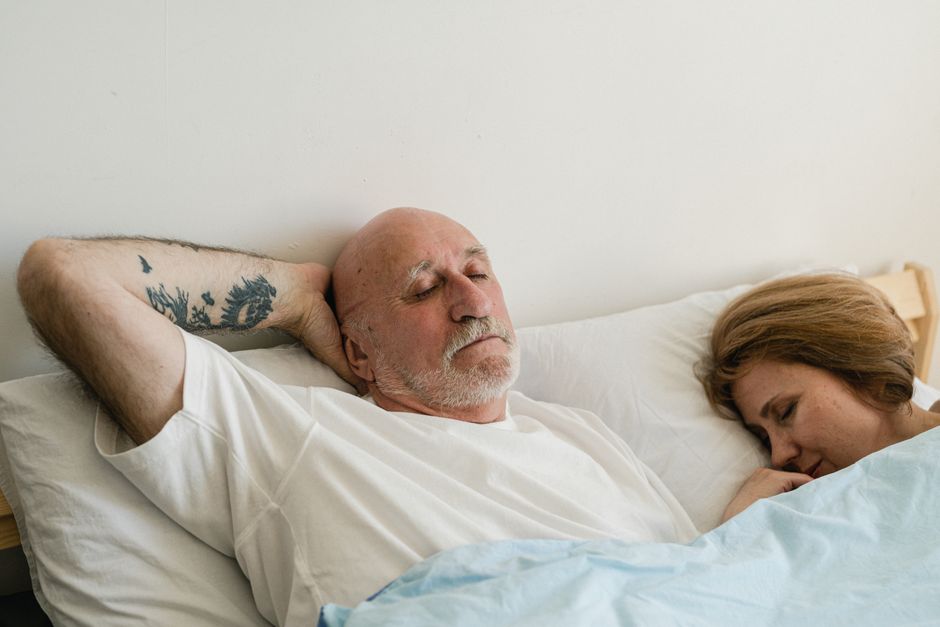
If you wake up gasping for air or someone tells you that you stop breathing at night, you may wonder if you have sleep apnea. Home sleep tests can help you find out. These devices measure your breathing, oxygen levels, and heart rate while you sleep in your own bed. You get the device from your doctor or a sleep center, use it for one night, and send the data back for analysis.
What Exactly Is a Home Sleep Apnea Test?
A home sleep apnea test (HSAT) is a simplified version of the overnight sleep study done in a lab. You do not need wires glued to your head or cameras watching you. The device is smaller and easier to use.
Most home tests measure four things: airflow through your nose and mouth, breathing effort from your chest, oxygen levels in your blood, and your heart rate. Some also track snoring or body position. The data gets sent to a sleep specialist who reads the results.
The American Academy of Sleep Medicine says home tests are appropriate for people with a moderate to high risk of obstructive sleep apnea. They are not for everyone. People with certain health conditions like heart failure or lung disease may need a full lab study instead.
Who Should Consider a Home Sleep Test?
Home tests work best for people who have clear signs of obstructive sleep apnea. The most common signs include loud snoring, gasping or choking during sleep, and daytime sleepiness even after a full night of rest. Your bed partner may notice pauses in your breathing.
Doctors use screening tools like the STOP-Bang questionnaire to decide who needs a test. This tool asks about snoring, tiredness, observed breathing pauses, blood pressure, body mass index, age, neck size, and gender. A score of three or more suggests a higher risk.
If you have a high risk based on this screening, a home test is often a good first step. However, if you have other sleep disorders or medical conditions, your doctor may recommend a lab study. The CDC reports that about 30 million adults in the US have sleep apnea, but only 6 million are diagnosed. Home tests are helping close that gap.
How To Test For Sleep Apnea At Home What To Know About the Process
The process is simpler than most people expect. Your doctor gives you a prescription for a home sleep test. You pick up the device from a sleep center or it gets mailed to your home. The device includes a small recorder, a finger clip for oxygen, and a nasal cannula that sits under your nose.
On test night, you attach the sensors as instructed. The nasal cannula sits in your nostrils to measure airflow. The finger clip goes on one finger to track oxygen. A belt around your chest measures breathing effort. You turn on the device before falling asleep.
Most devices record data for at least six hours. You sleep normally. In the morning, you remove the sensors and return the device. The sleep center downloads the data and a sleep specialist reviews it. Results usually come back within one to two weeks.
One thing people do not always know: you cannot take a home test if you plan to nap during the day. The test requires a full night of sleep. You also need to avoid caffeine and alcohol on test day since they can affect your sleep patterns.

What Do the Results Actually Tell You?
The main number from a home sleep test is the apnea-hypopnea index (AHI). This counts how many times per hour your breathing stops or gets shallow. The AHI tells doctors if you have sleep apnea and how severe it is.
Here is how the numbers break down:
| AHI Score | Severity |
|---|---|
| Less than 5 | Normal |
| 5 to 14 | Mild sleep apnea |
| 15 to 29 | Moderate sleep apnea |
| 30 or more | Severe sleep apnea |
The test also shows your lowest oxygen level during sleep. Normal oxygen saturation is 95% or above. Levels below 90% are concerning. The test tracks how long your oxygen stays low.
Home tests do not measure brain waves or eye movements the way a lab study does. This means they can miss some types of sleep apnea, especially central sleep apnea where the brain fails to signal the muscles to breathe. If your home test comes back normal but you still have symptoms, your doctor may order a lab study.
What Are the Limitations of Home Sleep Tests?
Home sleep tests are not perfect. They can give false negatives, meaning the test says you do not have sleep apnea when you actually do. This happens if you do not sleep enough during the test or if you sleep on your back when you normally sleep on your side.
The devices also cannot detect all types of sleep apnea. Central sleep apnea and complex sleep apnea require a full lab study for diagnosis. People with significant heart or lung disease often need a lab test because home devices cannot capture all the necessary data.
Another limitation is that home tests do not measure sleep stages. They cannot tell how much time you spent in deep sleep or REM sleep. This matters because sleep apnea can be worse during certain sleep stages.
Research published in the Journal of Clinical Sleep Medicine found that home tests can miss up to 20% of sleep apnea cases compared to lab studies. This is why follow-up testing matters if symptoms persist after a negative home test.
What to Avoid When Using a Home Sleep Test
Some common mistakes can ruin your home sleep test results. Do not take sleep aids or melatonin on test night. These drugs can change your breathing patterns and give false results. Avoid alcohol for at least four hours before bed since it relaxes your throat muscles and makes apnea worse.
Do not ignore the instructions for placing sensors. If the nasal cannula falls out during the night, the test may not record enough data. Some people tape the cannula in place to keep it secure. The finger clip should be snug but not tight enough to cut off circulation.
Do not use a home test without a doctor’s order. These devices are medical tools, not consumer gadgets. Online companies sell home tests without requiring a prescription, but you have no guarantee that the results will be read by a qualified sleep specialist. The American Academy of Sleep Medicine warns against using unregulated tests.
One more thing to avoid: do not assume a negative result means you are fine. If you still have symptoms like daytime sleepiness, loud snoring, or morning headaches, push for a lab study. Home tests are a screening tool, not a final answer.
Common Misconceptions About Home Sleep Tests
Many people think home sleep tests are uncomfortable or hard to use. The truth is they are designed for home use and most people find them manageable. The sensors are small and the device fits on a nightstand.
Another misconception is that you need to sleep perfectly for the test to work. You do not. If you wake up a few times, the test still records enough data. The device only needs about four hours of valid sleep data, though six hours is better.
Some people believe home tests are just as accurate as lab studies. They are not. Lab studies are the gold standard. Home tests are a convenient alternative for people who are good candidates. They trade some accuracy for convenience and lower cost.
There is also a myth that you can buy a home test online and diagnose yourself. You cannot. A sleep specialist must interpret the results. Self-diagnosis leads to wrong treatment or unnecessary worry. Always work with a doctor.
Frequently Asked Questions
How long does a home sleep apnea test take?
You use the device for one night of sleep. Most tests require at least four to six hours of recorded data. Results come back in one to two weeks.
Can I use a smartwatch or phone app instead of a home sleep test?
No. Consumer wearables and phone apps are not approved for diagnosing sleep apnea. They can track trends but do not meet medical standards for diagnosis. Only an FDA-cleared home test prescribed by a doctor counts.
Does insurance cover home sleep apnea tests?
Most insurance plans including Medicare cover home sleep tests when prescribed by a doctor. You need a doctor’s order and the test must be done through an accredited sleep center. Check with your insurance before scheduling.
What happens if my home sleep test shows sleep apnea?
Your doctor will discuss treatment options. The most common treatment is a CPAP machine that keeps your airway open during sleep. Other options include oral appliances, positional therapy, or surgery depending on your specific case.
