
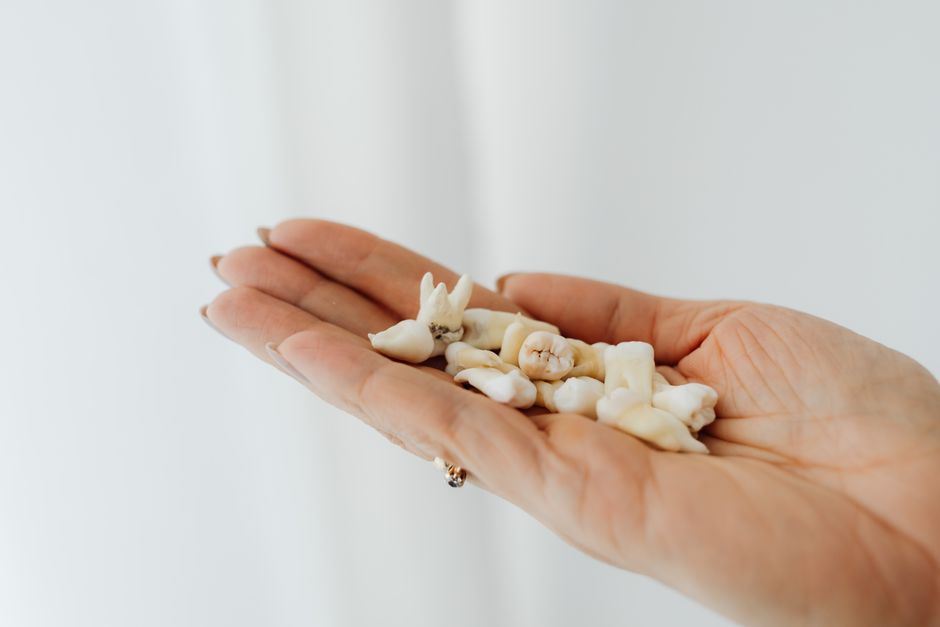
Swelling after wisdom teeth removal is not a sign that something went wrong. It is a normal part of healing. Your body sends fluid and immune cells to the area to repair the tissue. The swelling usually peaks about 48 hours after surgery. After that it slowly goes down. The most effective way to control it is ice for the first two days and then gentle heat. Keeping your head elevated even while sleeping also makes a real difference. Do not use heat in the first 48 hours and do not sleep flat. These two mistakes are why some people stay swollen longer than they need to.
What Causes Swelling After Wisdom Teeth Removal?
Swelling is your body’s inflammatory response to tissue damage. When the surgeon removes a wisdom tooth they cut through gum tissue and often through bone. The body treats this like an injury. It sends blood and fluid to the area to start the repair process. This fluid buildup is what you see and feel as swelling.
Research published in the Journal of Oral and Maxillofacial Surgery confirms that swelling is a predictable response to surgical trauma. It is not an infection. It is not a complication. It is a biological process. The amount of swelling depends on how difficult the extraction was. Impacted teeth cause more swelling than teeth that have already come through the gum. Lower wisdom teeth also tend to swell more than upper ones because the lower jaw has denser bone and less space for fluid to drain.
Some people swell more than others. Age plays a role. Younger patients tend to have more inflammation but also heal faster. Smoking significantly worsens swelling because nicotine constricts blood vessels and slows healing. If you smoke and are scheduled for surgery the American Dental Association recommends stopping for at least 48 hours before and after the procedure.
Does How To Get Rid Of Swelling From Wisdom Teeth Removal Actually Work?
Yes. The standard methods for reducing swelling are supported by decades of clinical evidence. Ice therapy works by constricting blood vessels which limits the amount of fluid that reaches the surgical site. Heat therapy after 48 hours works by dilating blood vessels which helps the fluid drain away. Both are effective but only when used at the right time.
A common mistake is using heat too early. Heat applied within the first 48 hours increases blood flow to an already inflamed area. This makes swelling worse not better. The same principle applies to exercise. Physical activity raises heart rate and blood pressure which pumps more fluid into the face. The American Association of Oral and Maxillofacial Surgeons recommends rest for at least the first 48 hours.
Elevation is another method that works. Keeping your head above your heart uses gravity to help fluid drain away from the face. Sleeping with two or three pillows is the simplest way to do this. People who sleep flat often wake up with noticeably more swelling on the second morning after surgery.
What Does Research on Swelling After Wisdom Teeth Removal Show?
Studies have found that ice therapy reduces swelling by about 30 to 40 percent when used consistently in the first 48 hours. A study in the International Journal of Oral and Maxillofacial Surgery compared patients who used ice packs with patients who did not. The ice group had significantly less swelling at 48 hours and reported less pain overall.
Research also shows that corticosteroid injections given during surgery can reduce swelling. Some oral surgeons inject steroids like dexamethasone directly into the surgical site before closing the wound. A meta-analysis in the Journal of Oral and Maxillofacial Surgery found that this reduced peak swelling by about 25 percent compared to patients who did not receive the injection. This is not something you can do at home. It is a decision the surgeon makes during the procedure.
There is less evidence for herbal remedies. Arnica and bromelain are widely claimed to reduce swelling after oral surgery. Some small studies suggest a modest benefit but the evidence is not strong enough to recommend them over standard care. The National Institutes of Health notes that arnica can cause side effects including skin irritation and digestive issues when taken orally. Stick with ice heat and elevation. These are the methods with the most reliable evidence.




What Are the Best Practical Steps to Reduce Swelling?
Here is what the evidence supports. Apply an ice pack to the outside of your face for 20 minutes on and 20 minutes off. Do this for the first 48 hours. Do not put ice directly on the skin. Wrap the pack in a thin cloth to prevent frostbite. The cheek is sensitive after surgery and direct ice can damage the tissue.
After 48 hours switch to moist heat. A warm washcloth or a heating pad on low setting works well. Apply for 15 to 20 minutes at a time. This helps the trapped fluid drain. Continue elevation during this phase. Keep your head propped up whenever you are resting or sleeping.
Stay hydrated but avoid using a straw. The suction from a straw can dislodge the blood clot that forms in the socket. This leads to a painful condition called dry socket which causes more swelling and delays healing. The Mayo Clinic advises against straws for at least one week after extraction.
Avoid salty foods. Salt causes your body to retain water which can make swelling worse. Stick with soft bland foods like yogurt applesauce and mashed potatoes for the first few days. Do not rinse your mouth vigorously. The surgeon may give you a syringe to flush the sockets but do not use it until they tell you to which is usually after the first week.
The table below summarizes the timing and effectiveness of each method.
| Method | When to Use | Effectiveness |
|---|---|---|
| Ice packs | First 48 hours | Reduces swelling by 30-40% |
| Heat packs | After 48 hours | Helps fluid drain |
| Head elevation | First 72 hours | Moderate reduction |
| Steroid injection | During surgery | Reduces peak swelling by 25% |
| Arnica or bromelain | Variable | Limited evidence |
What Should You Avoid After Wisdom Teeth Removal?
Do not take ibuprofen if you have been prescribed a different painkiller by your surgeon. Some surgeons prefer acetaminophen or a combination of acetaminophen and narcotics. Mixing pain medications without approval can cause liver damage or other complications. Always follow the specific instructions given to you.
Do not smoke or vape. Nicotine constricts blood vessels and reduces blood flow to the healing tissue. This slows healing and increases the risk of infection and dry socket. A study in the Journal of Dental Research found that smokers had a 40 percent higher rate of complications after tooth extraction compared to nonsmokers. If you cannot quit entirely try to avoid smoking for at least 72 hours after surgery.
Do not drink alcohol. Alcohol thins the blood and can increase bleeding. It also dehydrates you which makes swelling worse. Avoid alcohol for at least the first week. If you are taking prescription painkillers do not drink alcohol at all until you have stopped the medication.
Do not lie flat. This is one of the most common mistakes. Lying flat allows fluid to pool in your face. Sleeping with your head elevated is not optional. It is a core part of managing swelling. Use pillows or sleep in a recliner if you have one.
Do not exercise or do heavy lifting. Increased heart rate pumps more blood to the face and increases swelling. The American College of Oral and Maxillofacial Surgeons recommends avoiding strenuous activity for at least 72 hours. Light walking is fine. Anything that raises your heart rate significantly is not.
When Should You Call Your Surgeon About Swelling?
Swelling that gets worse after the third day is not normal. It may be a sign of infection. Other warning signs include fever redness that spreads beyond the cheek and pus draining from the socket. Pain that gets worse instead of better after the first few days is also a red flag. This could indicate dry socket which requires treatment from your surgeon.
Difficulty breathing or swallowing because of swelling is a medical emergency. This is rare after wisdom tooth extraction but it can happen if the swelling spreads to the throat. If you experience this go to the emergency room immediately.
Some swelling can last for up to two weeks but it should steadily decrease after the third day. If you notice a plateau or an increase call your surgeon. They may prescribe antibiotics or need to clean the socket. Do not wait and see. Infections in the jaw can spread quickly and become serious.
Frequently Asked Questions
How long does swelling last after wisdom teeth removal?
Swelling usually peaks at 48 hours and then slowly goes down over the next 5 to 7 days. Some mild swelling may last up to two weeks.
Can I use a heating pad on my face right after surgery?
No. Heat should not be used during the first 48 hours because it increases blood flow and makes swelling worse. Use ice packs only for the first two days.
Is it safe to sleep on my side after wisdom tooth extraction?
It is safer to sleep on your back with your head elevated. Sleeping on your side can put pressure on the surgical site and increase swelling on that side.
Does ibuprofen help reduce swelling after wisdom teeth removal?
Yes. Ibuprofen is an anti-inflammatory drug that can reduce swelling and pain. Follow your surgeon’s dosing instructions and do not exceed the recommended amount.
