
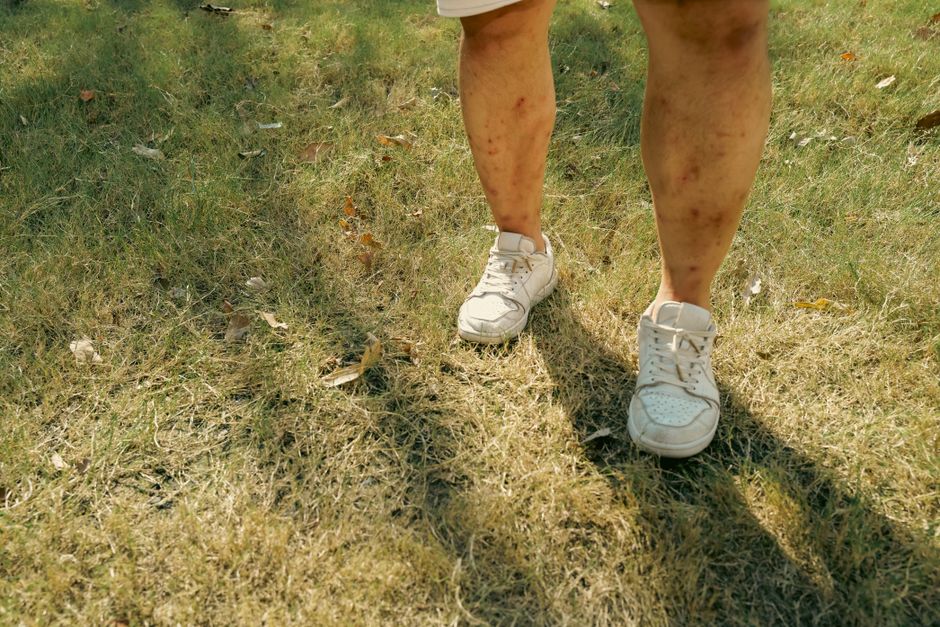
A calf cramp is a sudden, involuntary tightening of the muscle in the back of your lower leg. It can stop you mid-step or wake you from sleep. The direct reason is a muscle spasm, but the causes behind that spasm range from dehydration and electrolyte imbalance to nerve issues and medication side effects. To stop one, you need to lengthen the muscle against the contraction—think pulling your toes toward your shin or standing up and putting weight on the affected leg.
What Exactly Happens in Your Leg During a Calf Cramp?
A muscle cramp is a contraction that will not let go. Your calf muscle, specifically the gastrocnemius and soleus, gets a signal from your nerves to tighten. Normally, that signal stops quickly. During a cramp, the signal keeps firing.
This over-excitation can come from many places. Sometimes it is a problem in the spinal cord where the nerves originate. Other times it is the muscle itself being too irritable. The cramp can last a few seconds or stretch into several painful minutes. The muscle feels hard to the touch and you cannot relax it voluntarily.
Research published in the journal Muscle & Nerve found that the electrical activity during a cramp is much higher than during a normal contraction. The muscle fibers are essentially all firing at once with no coordination. That is why it hurts so much and why stretching works—it physically forces the muscle to stop the contraction cycle.
What Causes a Calf Cramp and How to Stop It? The Common Triggers
Dehydration is one of the most common triggers. When you lose fluids through sweat or not drinking enough water, your blood volume drops. This changes the balance of electrolytes like sodium, potassium, calcium, and magnesium that help your nerves and muscles communicate. The American Council on Exercise notes that even mild dehydration can increase cramp risk during exercise.
Electrolyte imbalance alone can cause cramps. Low potassium from sweating or a poor diet is often blamed. But research published in the Journal of the International Society of Sports Nutrition found that sodium loss is actually a bigger factor for exercise-related cramps. Magnesium deficiency is also linked to nighttime leg cramps, especially in older adults, though the evidence is not as strong as many supplement companies claim.
Overuse and muscle fatigue are another major cause. If you have been walking, running, or standing more than usual, your calf muscles can become exhausted. Fatigue makes the muscle more excitable and prone to cramping. This is why runners often get calf cramps at the end of a long run, not at the beginning.
Poor blood flow also plays a role. Conditions like peripheral artery disease narrow the arteries in your legs. When you exercise, the muscles do not get enough oxygen, which can trigger cramping. This type of cramp usually goes away quickly when you stop moving.
Medications can cause cramps too. Diuretics, often called water pills, flush out fluids and electrolytes. Statins for cholesterol are linked to muscle cramps in some people. A study in the American Journal of Medicine found that about 10 percent of people on statins report muscle symptoms, including cramps. If you started a new medication and noticed more cramps, that connection is worth discussing with your doctor.
| Common Trigger | How It Works | Who Gets It Most |
|---|---|---|
| Dehydration | Reduces blood volume and electrolyte balance | Athletes, people in hot climates |
| Electrolyte imbalance | Disrupts nerve signaling to muscles | People who sweat heavily or have poor diet |
| Muscle fatigue | Overexcited muscle fibers from overuse | Runners, walkers, people on their feet all day |
| Poor circulation | Reduced oxygen delivery to muscles | Older adults, people with PAD |
| Medications | Diuretics and statins affect fluid and muscle function | People on these specific drugs |
Does Stretching Actually Stop a Calf Cramp or Is That a Myth?
Stretching is not a myth. It is one of the few things that has consistent evidence behind it for stopping an active cramp. The mechanism is straightforward: stretching the calf muscle forces the muscle spindles to relax. This interrupts the nerve signal that is keeping the muscle contracted.
The most effective stretch during a cramp is to pull your toes and the top of your foot toward your shin. You can do this sitting down with your leg straight and pulling your foot back with a towel or your hand. Standing up and putting your weight on the affected leg with your heel flat on the ground also works because it lengthens the calf.
A study in the Journal of Athletic Training examined athletes who got cramps during competition. Those who stretched the affected muscle immediately reported faster relief than those who tried massage or waiting it out. The key is to hold the stretch gently. Do not bounce. Hold for 30 seconds or until the cramp releases.
Stretching is less useful for preventing cramps. Many people stretch before bed hoping to stop nighttime cramps. The evidence for this is mixed. Some studies show a small benefit. Others show no difference. Stretching during the cramp is effective. Stretching before the cramp is not reliably preventive.




What Does Research Say About Electrolyte Drinks and Pickle Juice for Calf Cramps?
Electrolyte drinks can help if dehydration caused the cramp. Sports drinks like Gatorade contain sodium, potassium, and sugar. The sodium helps your body hold onto water and restores electrolyte balance. A study in the Journal of the International Society of Sports Nutrition found that athletes who consumed electrolyte drinks during long exercise had fewer cramps than those who drank plain water.
But for a cramp that happens at rest or at night, electrolyte drinks are not likely to help. The cause is usually not dehydration. Nighttime cramps are more linked to nerve issues, medication side effects, or simply the position your foot is in while sleeping.
Pickle juice is a popular remedy that has some science behind it. Research from Brigham Young University found that drinking pickle juice stopped cramps faster than drinking water. The interesting part is that it worked too fast for the electrolytes to get into your bloodstream. The researchers think it triggers a reflex in the back of your throat that shuts off the overactive nerve signals. It is not the salt content. It is a nerve reflex.
This does not mean pickle juice is a cure. It works for some people and not others. It also tastes bad and contains a lot of sodium, which is a concern if you have high blood pressure. If you want to try it, a small amount—about one ounce—is enough. More does not work better.
What to Do When a Calf Cramp Hits in the Middle of the Night
Nighttime calf cramps are common and frustrating. They often happen during the transition from light sleep to deeper sleep. Your foot is usually pointed downward, which shortens the calf muscle and makes it more likely to cramp.
When a nighttime cramp wakes you, do not panic. Sit up and straighten your leg. Pull your toes back toward your knee. If you can, stand up next to the bed and put your weight on the leg. The weight helps stretch the muscle faster. Massaging the tight area can also help, but only after you have stretched first. Massaging a cramped muscle without stretching can make it worse.
Applying heat can help the muscle relax. A warm towel or a heating pad on low for 10 minutes increases blood flow and calms the muscle fibers. Cold packs are better if the muscle is still sore after the cramp stops because they reduce inflammation.
To prevent nighttime cramps, try stretching your calves before bed. A study in the Journal of Physiotherapy had older adults with frequent nighttime cramps do calf stretches before sleep for six weeks. The group that stretched had significantly fewer cramps than the control group. The stretch is simple: stand facing a wall, put your hands on the wall, step one foot back, and keep the heel flat. Hold for 30 seconds. Do each leg three times.
Check your sleeping position. If you sleep on your back with your toes pointed down, that position shortens the calf. Try sleeping on your side with a pillow between your knees. This keeps your feet in a more neutral position. Some people find that a weighted blanket helps because it prevents sudden foot movements during sleep.
When Should You See a Doctor About Calf Cramps?
Most calf cramps are harmless and do not signal a serious problem. But there are situations where medical attention is needed. If your calf is swollen, red, warm to the touch, or painful even when you are not cramping, that could be a blood clot. Deep vein thrombosis is a medical emergency. Do not stretch or massage a swollen, painful calf. Go to the emergency room.
If cramps happen frequently and interfere with sleep or daily activities, see your primary care doctor. They can check your electrolyte levels with a blood test. They can review your medications to see if a drug change might help. In some cases, cramps are a sign of nerve compression in your lower back, like a herniated disc pressing on the sciatic nerve.
Certain health conditions increase cramp risk. Diabetes can damage nerves in the legs. Kidney disease affects electrolyte balance. Thyroid disorders change muscle function. If you have any of these conditions and your cramps are getting worse, that is worth mentioning to your doctor.
There is no FDA-approved medication specifically for muscle cramps. Doctors sometimes prescribe quinine, but the FDA warns against it because of serious side effects like heart rhythm problems and bleeding. The evidence for magnesium supplements is mixed. A review in the Journal of the American Medical Association found that magnesium did not reduce nighttime cramps in older adults compared to placebo. Some people report benefit, but the clinical trials do not support it as a reliable treatment.
Common Misconceptions About Calf Cramps
- Bananas prevent cramps. Bananas are high in potassium, but most cramps are not caused by low potassium. Sodium and magnesium are more commonly involved. A banana after a cramp will not stop it from happening again.
- Drinking more water always fixes cramps. If you are already well-hydrated, drinking extra water does nothing. Overhydration can actually lower sodium levels and trigger cramps.
- Cramps only happen to athletes. Nighttime cramps are most common in people over 50. Pregnant women also get them frequently, especially in the third trimester. Athletes get them, but they are not the only ones.
- Massage alone stops cramps. Massage feels good and can help after the cramp releases, but it does not break the contraction cycle. Stretching is what stops the cramp. Massage comes second.
- Pickle juice works because of salt. It works through a nerve reflex in the throat, not through electrolyte absorption. That is why it works in seconds, not minutes.
Frequently Asked Questions
Can dehydration cause calf cramps even if I am not exercising?
Yes. Dehydration reduces blood volume and electrolyte balance even at rest. Nighttime cramps are sometimes linked to not drinking enough water during the day.
Is it safe to take magnesium supplements for calf cramps?
For most people, magnesium supplements are safe but the evidence they prevent cramps is weak. A large JAMA review found no benefit over placebo for nighttime leg cramps.
Why do I get calf cramps in bed but not during the day?
Your foot naturally points downward when you sleep, which shortens the calf muscle. This position makes the muscle more likely to spasm, especially if you are dehydrated or fatigued.
Can tight shoes or bad footwear cause calf cramps?
Poor footwear can change your walking mechanics and overwork your calf muscles. High heels in particular keep the calf shortened all day, which increases cramp risk later.
