
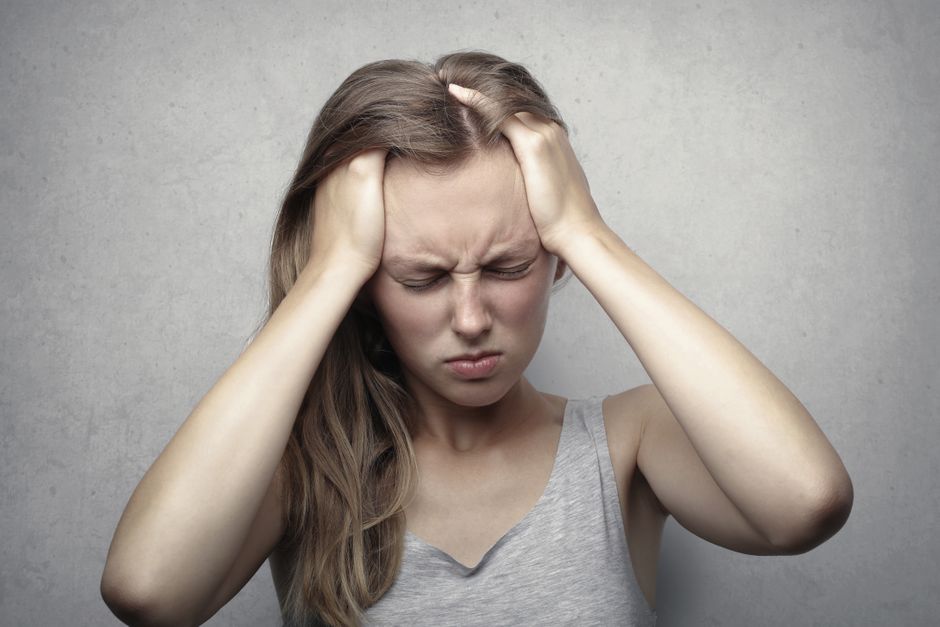
A stress headache builds slowly, wrapping around your head like a tight band. The fastest way to stop it is to act within the first 30 minutes. Take 400 milligrams of ibuprofen or 1000 milligrams of acetaminophen with a full glass of water. Apply a cold pack to your forehead or a warm compress to your neck and shoulders. Step away from your screen for five minutes. This combination stops most tension headaches before they peak.
What Exactly Is a Stress Headache?
A stress headache is the medical term for a tension-type headache. It is the most common kind of headache people get. The International Headache Society classifies it as a bilateral pressing or tightening feeling. It is not throbbing like a migraine. It feels more like constant pressure.
Muscles in your scalp, neck, and shoulders tighten when you are under stress. This muscle tension restricts blood flow and triggers pain signals to your brain. Unlike migraines, stress headaches rarely cause nausea or sensitivity to light. The pain is mild to moderate and lasts anywhere from 30 minutes to several hours.
The CDC reports that about 1 in 3 adults experience tension-type headaches each year. Women report them slightly more often than men. Most people who get them have fewer than 15 headache days per month. If you have more than that, you may have chronic tension-type headache, which requires different management.
What Is the Fastest Way to Stop a Stress Headache?
The fastest proven method is a combination of over-the-counter pain relievers and physical relaxation. Ibuprofen (Advil, Motrin) works by reducing inflammation in the muscles and blood vessels. Acetaminophen (Tylenol) works on pain signals in the brain. Both are effective for tension headaches according to research published in the journal Headache.
Take the medication as soon as you feel the headache starting. Waiting makes it harder to control. Drink a full glass of water with the pill because dehydration can worsen headaches. Do not take more than the label directs. Exceeding the recommended dose can damage your liver or kidneys.
While the medication kicks in, apply a cold pack to your forehead. Cold numbs the pain and reduces inflammation. Some people prefer a warm compress on their neck and shoulders. Warmth relaxes tight muscles. Both work. Try one and switch if it does not help after 15 minutes.
Step away from whatever is causing the stress. If you are at a computer, close your eyes for two minutes. If you are in a loud room, find a quiet space. A 2019 study in the Journal of Occupational Health found that even a five-minute break reduced headache intensity in office workers.
How To Get Rid Of A Stress Headache Fast Without Medication
If you cannot take pain relievers or prefer not to, several non-drug methods have real evidence behind them. Massage therapy is one of the best studied. A 2020 meta-analysis in the International Journal of Therapeutic Massage and Bodywork found that massage reduced tension headache frequency and intensity by about 40 percent. Focus on your neck, shoulders, and scalp.
Progressive muscle relaxation is another effective technique. Tense each muscle group for five seconds, then release. Start with your feet and work up to your face. This lowers overall muscle tension and interrupts the pain cycle. The American Academy of Family Physicians recommends this as a first-line treatment for tension headaches.
Acupressure also has decent evidence. A 2014 study in the Journal of Traditional Chinese Medicine found that pressing the LI4 point (the fleshy web between your thumb and index finger) for one minute reduced headache pain. The effect was modest but real. It is free and takes no preparation.
Caffeine can help in small amounts. One cup of coffee or tea can enhance the effect of pain relievers. Too much caffeine can cause rebound headaches later. Stick to one serving if you use it.





What Makes Stress Headaches Worse?
Several common habits can turn a mild stress headache into a severe one. Skipping meals drops your blood sugar, which triggers more muscle tension. The same happens when you are dehydrated. Even mild dehydration can cause headache pain according to research from the University of Connecticut.
Poor posture is a major contributor. When you slouch forward, your neck muscles have to work harder to hold your head up. This constant tension feeds the headache. A study in the Journal of Physical Therapy Science found that correcting posture reduced tension headache frequency by 50 percent over six weeks.
Grinding your teeth at night or clenching your jaw during the day adds unnecessary strain to your head muscles. If you wake up with a headache, this may be the cause. A mouthguard from your dentist can help. Over-the-counter night guards work too for mild cases.
Overusing pain relievers is a hidden problem. Taking headache medication more than 10 days per month can cause medication-overuse headaches. The treatment stops working, and you get more headaches. This creates a cycle that is hard to break. If you find yourself reaching for pills more than twice a week, talk to a doctor.
How Does Stress Headache Compare to Migraine?
Many people confuse stress headaches with migraines. They are different conditions that require different treatment. This table shows the key differences.
| Feature | Stress Headache | Migraine |
|---|---|---|
| Pain type | Pressing, tightening | Throbbing, pulsating |
| Location | Both sides of head | Usually one side |
| Duration | 30 minutes to 7 days | 4 to 72 hours |
| Nausea | Rare | Common |
| Sensitivity to light | Rare | Common |
| Triggers | Stress, posture, fatigue | Hormones, food, weather, stress |
| Response to OTC meds | Good | Variable |
If your headache has throbbing pain, nausea, or sensitivity to light or sound, you likely have a migraine. Over-the-counter pain relievers may not work well for migraines. You may need prescription medication like triptans. If you are unsure, keep a headache diary for two weeks and show it to your doctor.
When Should You See a Doctor for Stress Headaches?
Most stress headaches are manageable at home. But some situations need medical attention. See a doctor if your headaches happen more than 15 days per month. This is chronic tension-type headache and may need preventive treatment like amitriptyline or cognitive behavioral therapy.
Seek immediate care if you have a sudden, severe headache that feels like the worst of your life. This could be a sign of something serious like a subarachnoid hemorrhage. Also get help if your headache comes with fever, stiff neck, confusion, seizures, or vision changes. These are not stress headache symptoms.
If your headaches started after a head injury, see a doctor. Even mild concussions can cause persistent headaches that need specialized care. The same applies if your headache pattern changes significantly. A headache that was mild and becomes severe for no clear reason should be evaluated.
The American Headache Society recommends seeing a headache specialist if you have tried two different over-the-counter medications and they do not help. A specialist can rule out other causes and prescribe stronger treatments if needed.
What Habits Prevent Stress Headaches Long Term?
Prevention is more effective than treatment for frequent stress headaches. Regular exercise is one of the best preventive strategies. A 2015 study in the Journal of Headache and Pain found that 30 minutes of aerobic exercise three times per week reduced tension headache frequency by 30 percent. Walking, swimming, or cycling all work.
Sleep consistency matters more than sleep duration. Going to bed and waking at the same time every day stabilizes your body’s stress response. Even on weekends. A 2018 study in Sleep Medicine Reviews found that irregular sleep patterns were strongly linked to tension headaches.
Stress management techniques like mindfulness meditation have solid evidence. A 2014 study in the journal Cephalalgia found that mindfulness-based stress reduction reduced headache frequency by about 40 percent over eight weeks. The effect lasted for months after the training ended.
Stay hydrated throughout the day. The European Journal of Neurology reports that drinking an extra 1.5 liters of water per day reduced headache days in people who were prone to them. This is an easy habit with no side effects.
Common Misconceptions About Stress Headaches
One widespread myth is that stress headaches are “all in your head” or not real. They are real physiological events involving muscle tension and nerve signaling. The pain is genuine. Dismissing it does not help.
Another myth is that stronger medication works better. Higher doses of ibuprofen or acetaminophen do not provide faster or better relief for stress headaches. They only increase the risk of side effects. Stick to the standard dose.
Some people believe that stress headaches will go away on their own if you ignore them. Most do eventually, but they last longer and hurt more than necessary. Early treatment is more effective than waiting.
Finally, there is no evidence that stress headaches are caused by eye strain or need for glasses. While eye strain can cause discomfort, it rarely causes the specific pattern of a tension headache. If your headaches occur after reading or screen use, get your eyes checked. But do not expect glasses to fix all headaches.
Frequently Asked Questions
Can stress headaches last for days?
Yes, tension headaches can last from 30 minutes up to seven days. If one lasts longer than a week, see a doctor.
Is it safe to take ibuprofen every day for stress headaches?
No, taking ibuprofen daily for more than 10 days per month can cause stomach bleeding and kidney damage. It can also lead to medication-overuse headaches.
Does caffeine help or hurt stress headaches?
Caffeine can help in small amounts by boosting the effect of pain relievers. More than one serving per day can cause rebound headaches.
What is the best sleeping position to prevent stress headaches?
Sleeping on your back with a supportive pillow keeps your neck aligned. Stomach sleeping twists the neck and can trigger morning headaches.
