
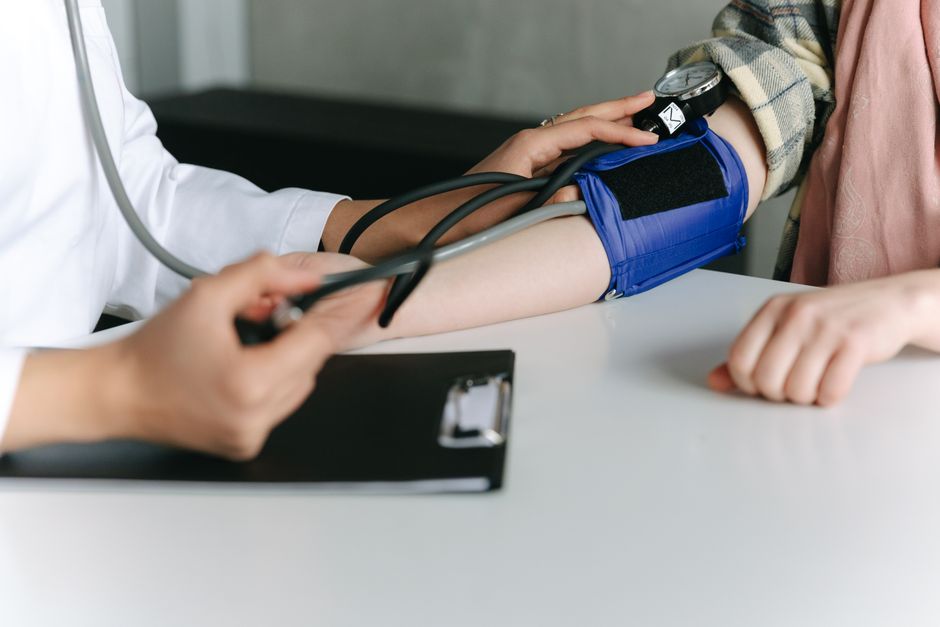
Low blood pressure is generally defined as a reading of 90/60 mmHg or lower. The first number, systolic pressure, measures the force when your heart beats. The second number, diastolic pressure, measures the force when your heart rests between beats. While high blood pressure gets most of the attention, low blood pressure can also cause problems, especially if it leads to symptoms like dizziness or fainting.
What Is Considered a Low Blood Pressure Reading?
Doctors use the same threshold for most adults. A blood pressure reading of 90/60 mmHg or lower is considered low. This is the standard cutoff used in clinical guidelines.
Some people naturally run below this number and feel perfectly fine. For them, low blood pressure is not a medical problem. It only becomes a concern when it causes symptoms or happens suddenly.
A normal blood pressure reading is usually around 120/80 mmHg. Readings between 90/60 and 120/80 fall into a range that doctors generally consider acceptable.
When Is Low Blood Pressure Dangerous?
Low blood pressure becomes dangerous when your organs do not receive enough blood flow. This can happen when the pressure drops too low for your body’s needs. The danger point varies from person to person.
Symptoms that signal trouble include dizziness, lightheadedness, blurred vision, nausea, fatigue, and fainting. If you experience confusion, cold clammy skin, rapid shallow breathing, or a weak rapid pulse, this may indicate a medical emergency.
A sudden drop in blood pressure can be more concerning than a chronic low reading. For example, a rapid drop can occur with severe dehydration, significant blood loss, or a serious infection. These situations require immediate medical attention.
What Causes Low Blood Pressure?
Several factors can cause blood pressure to drop. Dehydration is one of the most common causes. When your body loses more water than it takes in, blood volume decreases, which lowers pressure.
Certain medications lower blood pressure as a side effect. These include diuretics, beta-blockers, and some antidepressants. Heart conditions such as bradycardia, heart valve problems, and heart failure can also cause low blood pressure.
Endocrine disorders like thyroid conditions, adrenal insufficiency, and low blood sugar can contribute. Pregnancy often causes blood pressure to drop, especially during the first 24 weeks. This is typically not a problem and returns to normal after delivery.
Nutritional deficiencies, particularly low levels of vitamin B12 and folate, can prevent the body from producing enough red blood cells. This can lead to anemia and lower blood pressure.
What Are the Different Types of Low Blood Pressure?
There are several distinct types of low blood pressure, each with different triggers and patterns.
Orthostatic hypotension occurs when blood pressure drops suddenly when you stand up from sitting or lying down. This happens because gravity pulls blood into your legs, and your body fails to adjust quickly enough. It is more common in older adults and can cause dizziness or fainting upon standing.
Postprandial hypotension is a drop in blood pressure that happens after eating. Blood flow increases to the digestive system, which can cause pressure to fall elsewhere in the body. This type is most common in older adults, especially those with high blood pressure or Parkinson’s disease.
Neurally mediated hypotension affects some people after standing for long periods or during emotional stress. It results from a miscommunication between the heart and the brain.
How Is Low Blood Pressure Diagnosed?
Diagnosing low blood pressure typically starts with a simple blood pressure measurement. Your doctor may take multiple readings at different times because blood pressure fluctuates throughout the day.
If you experience symptoms, your doctor may order additional tests. A tilt table test measures how your blood pressure and heart rate respond to changes in position. Blood tests can check for anemia, blood sugar issues, or thyroid problems. An electrocardiogram can evaluate your heart’s rhythm and function.
Your doctor will also review your medications. Some drugs can cause blood pressure to drop, and adjusting the dose or switching medications may resolve the problem.
How Can You Manage Low Blood Pressure?
Treatment depends on whether you have symptoms and what is causing the low readings. If you feel fine, you likely do not need treatment. If you have symptoms, several strategies can help.
Increasing fluid intake is often the first recommendation. Water increases blood volume and helps prevent dehydration. Your doctor may suggest adding more salt to your diet, but you should only do this under medical supervision. Too much salt can cause other health problems.
Wearing compression stockings can help reduce blood pooling in your legs. These stockings apply gentle pressure that helps push blood back toward your heart.
Changing positions slowly can prevent dizziness. When getting up from a bed or chair, sit for a moment before standing. Avoid standing in one place for long periods.
Eating smaller, lower-carbohydrate meals can help prevent postprandial hypotension. Carbohydrates are digested quickly, which can trigger a larger drop in blood pressure after eating.
In some cases, doctors prescribe medications to raise blood pressure. These are typically reserved for people with persistent symptoms that do not improve with lifestyle changes. The evidence for these medications is limited, and they are not right for everyone.
Can Low Blood Pressure Be Prevented?
Not all cases of low blood pressure can be prevented. Some people naturally have lower readings, and that is simply their normal baseline.
For orthostatic hypotension, staying well hydrated and moving slowly when changing positions can reduce episodes. Regular physical activity helps maintain healthy blood pressure regulation. Avoiding alcohol, which can lower blood pressure, may also help.
If you take blood pressure medication, never stop or adjust it without talking to your doctor. Sudden changes can cause dangerous swings in your blood pressure.
Frequently Asked Questions
What is the normal range for blood pressure?
A normal blood pressure reading is usually around 120/80 mmHg. Readings below 90/60 mmHg are considered low.
Is 90/60 blood pressure too low?
A reading of 90/60 mmHg is the threshold for low blood pressure, but it is not automatically a problem. It only requires attention if you have symptoms like dizziness, fainting, or fatigue.
What should I do if my blood pressure drops suddenly?
Sit or lie down immediately to prevent falling from dizziness. If symptoms are severe, include confusion or chest pain, or do not resolve quickly, seek emergency medical care.
Can dehydration cause low blood pressure?
Yes, dehydration is one of the most common causes of low blood pressure. When you lose more water than you take in, your blood volume drops, which lowers your blood pressure.
Low blood pressure is not always something to worry about. Many people live with readings below 90/60 and never experience symptoms. The key is to pay attention to how you feel. If low readings come with dizziness, fainting, or fatigue, talk to your doctor about what might be causing it and what steps can help.
