
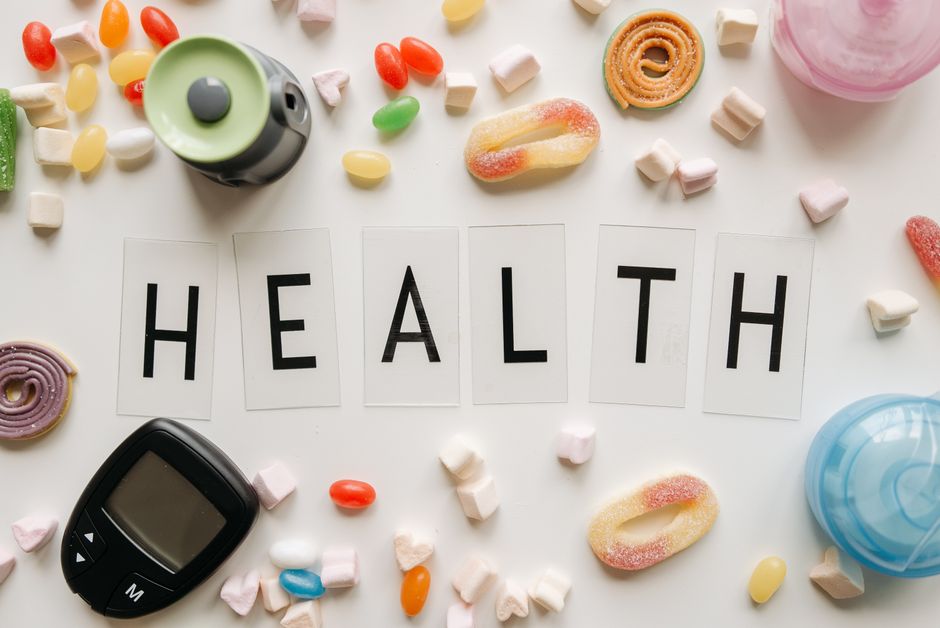
Blood sugar levels are a key marker of metabolic health, and knowing what counts as “high” can help you understand your risk for conditions like prediabetes and type 2 diabetes. In simple terms, a fasting blood sugar level of 100 mg/dL or higher is considered elevated, and a level of 126 mg/dL or higher on two separate tests indicates diabetes. For most people without diabetes, a normal fasting glucose level is between 70 and 99 mg/dL, and a reading two hours after a meal should typically be less than 140 mg/dL.
What Is a Normal Blood Sugar Range?
Your body regulates blood sugar tightly. When you fast, meaning you haven’t eaten for at least eight hours, your blood sugar should stay within a narrow window. The standard reference range for fasting plasma glucose is 70 to 99 mg/dL. This range reflects the balance between glucose entering the bloodstream from the liver and glucose being taken up by cells for energy.
After you eat, blood sugar naturally rises. For a person without diabetes, the peak typically occurs about one to two hours after the start of a meal. The American Diabetes Association suggests that a post-meal reading of less than 180 mg/dL is the target for many adults with diabetes, but for people without diabetes, the level usually stays below 140 mg/dL. Readings above these thresholds signal that glucose regulation is not working optimally.
What Blood Sugar Level Is Considered High?
Clinicians define high blood sugar using specific numeric cutoffs. A fasting glucose level between 100 and 125 mg/dL is classified as impaired fasting glucose, also known as prediabetes. This is not yet diabetes, but it is a warning sign. A fasting level of 126 mg/dL or higher on two separate occasions meets the diagnostic criteria for diabetes.
For random glucose tests, which are taken at any time of day regardless of when you last ate, a level of 200 mg/dL or higher combined with symptoms like increased thirst and frequent urination suggests diabetes. The hemoglobin A1c test provides a three-month average of blood sugar. An A1c of 5.7% to 6.4% indicates prediabetes, while 6.5% or higher indicates diabetes. These thresholds are established by major medical organizations and are used consistently in clinical practice.
What Are the Symptoms of High Blood Sugar?
High blood sugar, or hyperglycemia, produces recognizable symptoms. The most common ones include increased thirst, frequent urination, fatigue, and blurred vision. These symptoms occur because the kidneys work to excrete excess glucose in urine, which pulls water along with it. That process leads to dehydration and the urge to drink more fluids.
Other symptoms can include headaches, difficulty concentrating, and slow-healing wounds. Some people experience recurrent infections, particularly yeast infections, because high glucose levels can feed fungal growth. If blood sugar rises very high, such as above 300 mg/dL, symptoms can become more severe. In extreme cases, very high blood sugar can lead to a dangerous condition called diabetic ketoacidosis, which requires emergency medical care. This is most common in type 1 diabetes but can occur in type 2 diabetes under severe stress or illness.


What Causes Blood Sugar to Rise?
Blood sugar rises when the body cannot effectively move glucose from the bloodstream into cells. Insulin, a hormone produced by the pancreas, is the primary regulator of this process. In type 2 diabetes, cells become resistant to insulin’s effects, so the pancreas must produce more insulin to compensate. Over time, the pancreas may lose its ability to keep up, and blood sugar levels climb.
Diet plays a direct role. Foods high in refined carbohydrates and added sugars cause rapid spikes in blood glucose. White bread, sugary drinks, and processed snacks are common culprits. Physical activity helps lower blood sugar because muscles use glucose for energy during exercise. A sedentary lifestyle makes it harder for the body to clear glucose from the blood.
Stress and illness also raise blood sugar. Stress hormones like cortisol and adrenaline signal the liver to release stored glucose, preparing the body for a “fight or flight” response. Certain medications, including corticosteroids and some diuretics, can also elevate glucose levels. Sleep deprivation has been shown to impair insulin sensitivity, meaning a single poor night of sleep can temporarily raise blood sugar the next day.
How Do You Know If Your Blood Sugar Is High?
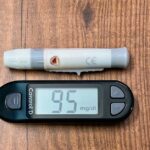
The only way to know your blood sugar level is to test it. A simple finger-prick test using a glucose meter gives a current reading. A lab test called fasting plasma glucose requires an eight-hour fast. The oral glucose tolerance test measures your response to a sugary drink, with readings taken before and two hours after consumption.
Another option is the hemoglobin A1c test, which does not require fasting. This test reflects average blood sugar over the past two to three months by measuring how much glucose has attached to red blood cells. It is a useful screening tool because it does not fluctuate with daily meals or stress.
Home glucose monitors are widely available without a prescription. However, a single high reading does not mean you have diabetes. Stress, illness, or a large meal can temporarily raise glucose. A diagnosis requires confirmation with repeat testing, usually on a different day. If you are concerned about your blood sugar, a healthcare provider can order the appropriate tests and interpret the results in context.
What Happens If High Blood Sugar Goes Untreated?
Persistent high blood sugar damages blood vessels and nerves throughout the body. Over years, this damage contributes to serious complications. These include cardiovascular disease, kidney disease, nerve damage, and eye problems. The risk of these complications increases with both the duration and severity of hyperglycemia.
Nerve damage, called neuropathy, often affects the feet and hands, causing numbness, tingling, or pain. Kidney damage can progress to chronic kidney disease and may eventually require dialysis. Eye damage, known as retinopathy, can lead to vision loss. People with poorly controlled diabetes also have a higher risk of infections and slower wound healing, particularly in the lower extremities.
These complications are not inevitable. Research consistently shows that maintaining blood sugar in a target range significantly reduces the risk of long-term complications. The landmark Diabetes Control and Complications Trial demonstrated this in people with type 1 diabetes, and the UK Prospective Diabetes Study showed similar benefits in type 2 diabetes. The takeaway is that early detection and management matter.
How Can You Lower High Blood Sugar?
Lifestyle changes are the first line of defense for lowering blood sugar. Regular physical activity is one of the most effective tools. Exercise increases insulin sensitivity, meaning your cells become better at using glucose. Both aerobic exercise and resistance training have been shown to improve glucose control.
Dietary changes also have a strong impact. Reducing intake of sugary beverages and refined carbohydrates can lower average glucose levels. Increasing fiber intake, particularly from vegetables, whole grains, and legumes, slows glucose absorption and helps stabilize blood sugar after meals. Some research suggests that eating protein and fat with carbohydrates can blunt post-meal glucose spikes.
Weight loss, even modest amounts, improves insulin sensitivity. Studies have shown that losing about 5% to 7% of body weight can reduce the risk of progressing from prediabetes to type 2 diabetes. If lifestyle changes are not enough, medications are available. Metformin is the most commonly prescribed first-line medication for type 2 diabetes. Other medications work through different mechanisms, and some people with advanced diabetes require insulin therapy.
If you have been diagnosed with diabetes, your healthcare provider will set individualized targets. These targets may differ based on your age, health status, and history of hypoglycemia. The key is to work with a clinician to develop a plan that fits your circumstances. Do not attempt to manage high blood sugar with over-the-counter supplements or unverified remedies. No clinical evidence currently confirms that any supplement can replace standard medical treatment.
Frequently Asked Questions
What is a dangerous high blood sugar level?
A blood sugar level above 250 mg/dL is considered dangerously high and requires attention. Levels above 300 mg/dL carry a higher risk of severe complications and warrant prompt medical evaluation.
Is 140 blood sugar high after eating?
For most people without diabetes, a blood sugar level of 140 mg/dL two hours after a meal is at the upper limit of normal. A reading above 140 mg/dL may indicate impaired glucose tolerance, and a reading of 200 mg/dL or higher suggests diabetes.
Can drinking water lower blood sugar?
Drinking water helps your kidneys flush out excess glucose through urine, which can modestly lower blood sugar. However, water alone is not a treatment for high blood sugar and cannot replace medication or lifestyle changes.
How often should I check my blood sugar?
If you have diabetes, your healthcare provider will recommend a testing schedule based on your treatment plan. If you do not have diabetes but are concerned about your risk, a fasting test and A1c test ordered by a clinician provide a clearer picture than daily home monitoring.
