
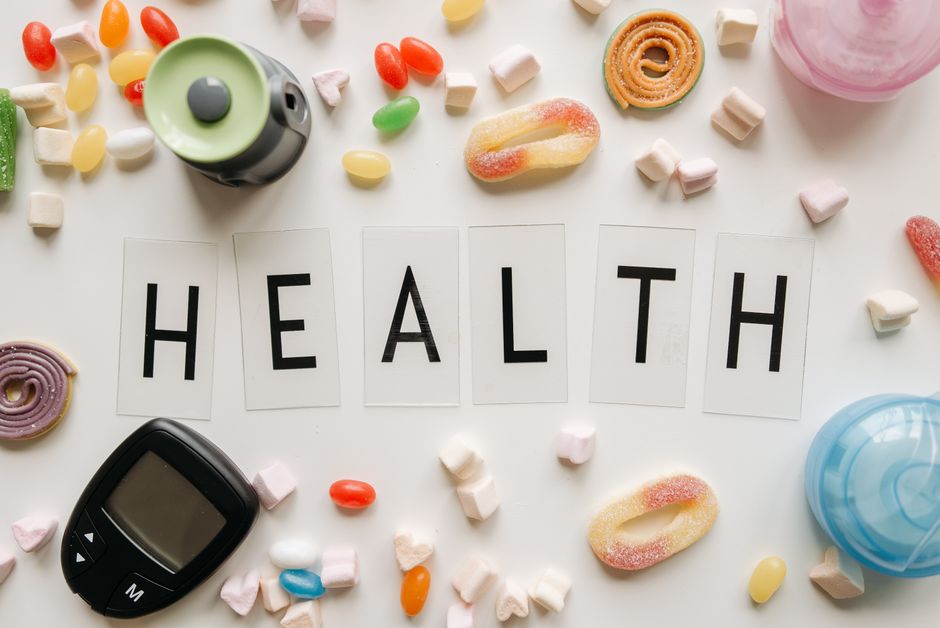
When your blood sugar is running high, the food on your plate can either help bring it down or push it higher. The most useful choices are foods that release glucose slowly, pair carbohydrates with protein, fat, or fiber, and add very little sugar on their own. Non-starchy vegetables, lean proteins, beans, nuts, and whole grains are the reliable starting points. Water instead of sugary drinks matters just as much as what you eat.
That is the short answer. The longer answer involves understanding why certain foods help, which ones get more credit than they deserve, and what “high” actually means in numbers you can track.
What does it mean when your blood sugar is high?
Blood sugar is the amount of glucose circulating in your blood at any given moment. For most adults without diabetes, a fasting level between 70 and 99 mg/dL is considered normal. A fasting reading of 100 to 125 mg/dL falls into the prediabetes range. A fasting level of 126 mg/dL or higher on two separate tests is one of the criteria used to diagnose diabetes.
After a meal, blood sugar rises in everyone. The body releases insulin, which moves glucose out of the bloodstream and into cells. In people with insulin resistance or diabetes, that process is slower or less effective, so glucose stays elevated longer than it should.
What you eat affects both how high the peak goes and how long it lasts. That is why food choices matter so much when readings are running above target.
What To Eat When Blood Sugar Is High To Lower It
The foods that help most are the ones that either contain very little carbohydrate or combine carbohydrate with fiber, protein, or fat so glucose enters the bloodstream gradually rather than all at once.
Non-starchy vegetables are the safest bet. Broccoli, spinach, peppers, zucchini, cauliflower, green beans, and salad greens have minimal effect on blood sugar. They also add fiber, which slows the absorption of other carbohydrates eaten in the same meal.
Protein foods — chicken, fish, eggs, tofu, Greek yogurt, cottage cheese — do not raise blood sugar much on their own. When eaten alongside carbohydrates, they slow digestion and blunt the spike. This is one of the most practical tools available.
Beans and lentils are unusually useful. They contain both protein and fiber, and their carbohydrates digest slowly. Some research suggests that meals built around legumes produce a gentler glucose response than equivalent meals based on refined grains.
Nuts and seeds are low in carbohydrate and high in fat and protein. A small handful alongside a meal can reduce the speed at which glucose appears in the blood.
Whole grains — oats, barley, quinoa, brown rice — are carbohydrates, but they behave differently than white bread or white rice. The fiber content slows digestion. Portion size still matters.
Water deserves a mention here. High blood sugar causes the kidneys to pull fluid from the body to flush excess glucose out through urine. Drinking water supports that process and helps prevent dehydration, which can make readings look worse.
Which foods make high blood sugar worse?
Sugary drinks are the biggest offender. Regular soda, sweet tea, fruit juice, and sports drinks deliver large amounts of glucose and fructose with almost no fiber, protein, or fat to slow absorption. The spike can be rapid.
Refined carbohydrates behave similarly. White bread, white rice, most crackers, and many breakfast cereals are digested quickly and push blood sugar up fast. That does not mean they are forbidden, but eating them alone — without protein or fat — tends to produce a sharper rise than eating them as part of a mixed meal.
Some foods marketed as healthy are worth a closer look. Flavored yogurt, granola bars, and many “whole grain” breakfast products contain substantial added sugar. Reading the nutrition label is more useful than reading the front of the package.
Alcohol is a separate issue. It can cause blood sugar to drop hours later, especially on an empty stomach, which makes it risky for people on insulin or certain medications. The interaction is not simple.




Does the order you eat food in matter?
Some studies suggest that eating vegetables and protein before carbohydrates in the same meal can reduce the post-meal glucose rise compared with eating the carbohydrates first. The effect appears modest but consistent across several small trials.
It is a low-cost strategy. If you are going to eat rice, bread, or potatoes, eating them after the protein and vegetables on your plate is worth trying. It will not replace medication or solve a high reading on its own, but it costs nothing and may help.
Vinegar has also been studied in this context. Some small trials found that consuming vinegar before a carbohydrate meal slightly reduced post-meal glucose. The effect was small, the studies were short, and the results are not strong enough to treat vinegar as a reliable tool. It is not a substitute for anything.
How do fiber, protein, and fat change the picture?
Fiber slows the rate at which the stomach empties and glucose enters the bloodstream. Soluble fiber, found in oats, beans, apples, and barley, appears to have the strongest effect on glucose response. Most adults in the US do not eat enough fiber, and increasing it is one of the more reliable dietary changes for blood sugar control.
Protein takes longer to digest than carbohydrate and triggers a smaller insulin response. It also increases satiety, which can reduce how much carbohydrate you eat overall.
Fat slows digestion further. This is why a meal with olive oil, avocado, or nuts tends to produce a flatter glucose curve than the same meal without them. The tradeoff is calories, so the amount matters.
None of these nutrients lower blood sugar on their own the way insulin does. They change the shape of the curve — the peak and the duration — rather than the total amount of glucose that eventually enters the blood.
| Food type | Effect on blood sugar | Notes |
|---|---|---|
| Non-starchy vegetables | Minimal rise | High fiber, low carbohydrate |
| Lean protein | Small rise | Slows digestion of carbohydrates eaten together |
| Beans and lentils | Moderate, slow rise | Contain both protein and fiber |
| Whole grains | Moderate rise | Slower than refined grains; portion matters |
| White bread, white rice | Fast rise | Little fiber to slow absorption |
| Sugary drinks | Very fast rise | Liquid sugar with no fiber or protein |
What about exercise and timing?
Physical activity lowers blood sugar by helping muscle cells take up glucose. A short walk after a meal is one of the better-supported habits for reducing post-meal spikes. The effect is real and does not require intense exercise.
Timing meals consistently can also help. Eating at roughly the same times each day makes it easier to predict how blood sugar will behave and to match medication timing if you take it.
If your blood sugar is very high — particularly above 240 mg/dL with symptoms like thirst, frequent urination, or fatigue — food choices are not the right tool. That situation calls for medical attention, not a dietary adjustment. Exercise can sometimes raise blood sugar further when levels are already very high, so it is worth checking with a clinician before adding activity during an episode like that.
When food alone is not enough
Diet is one lever among several. Sleep, stress, illness, medication timing, and hormonal changes all affect blood sugar. A meal that works well on a calm day may produce a different reading during an infection or a stressful week.
For people with type 1 diabetes, food choices matter but insulin dosing is the primary tool. For type 2 diabetes, diet and exercise can meaningfully change readings, but many people still need medication. Needing medication is not a failure of diet. It reflects how the body is responding.
Anyone whose readings are consistently above target should talk to a clinician. Self-adjusting medication based on food choices alone is not safe.
Frequently Asked Questions
What is the fastest food to lower blood sugar?
No food lowers blood sugar quickly the way insulin does. Non-starchy vegetables, protein, and water are the safest choices when readings are high because they add little glucose to the bloodstream.
Does drinking water lower blood sugar?
Water helps the kidneys flush excess glucose through urine and prevents dehydration, which can make readings look worse. It does not directly lower blood sugar the way medication does.
Can I eat fruit when my blood sugar is high?
Fruit contains natural sugar, so portion and type matter. Berries and apples tend to have less impact than bananas or grapes, and eating fruit with protein or fat slows the glucose rise.
Should I skip meals to bring my blood sugar down?
Skipping meals is not a reliable strategy and can be risky for people on insulin or certain diabetes medications. Consistent meals with the right composition are generally safer than skipping food altogether.
