
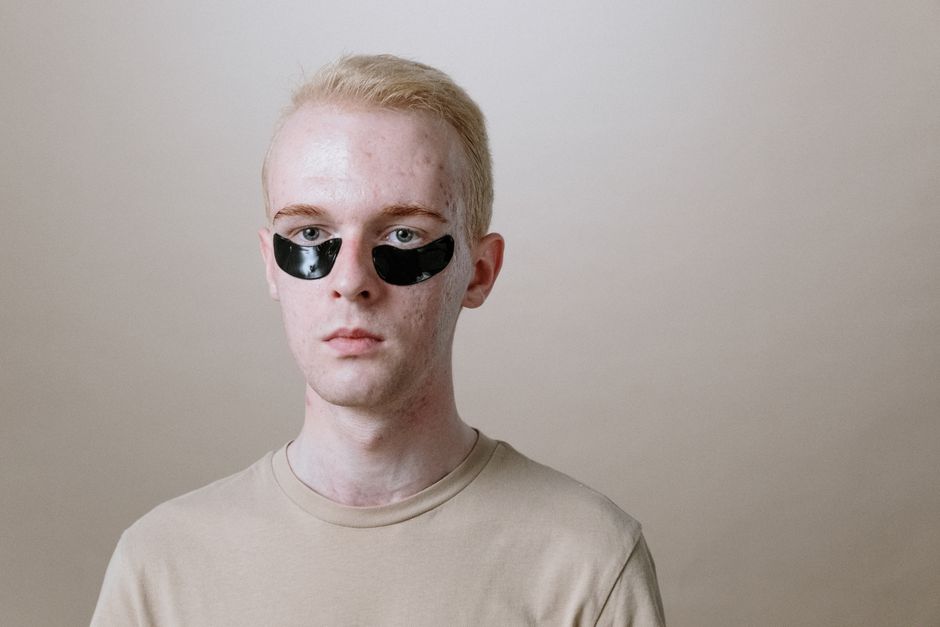
Acne scars are frustrating because the breakouts are gone but the marks stay behind. The good news is that most acne scars can be improved with the right treatment. The treatments that actually help depend entirely on the type of scar you have, and a dermatologist is the only person who can accurately tell you which type you are dealing with.
Deep, pitted scars need different care than flat, dark spots. Red or brown marks left after a pimple heals are not true scars at all; they are post-inflammatory hyperpigmentation and often fade on their own. Real scars are permanent changes in the skin’s texture, and they require professional procedures to reshape the collagen beneath the skin.
Why Do Acne Scars Form in the First Place?
Acne scars form when a deep breakout damages the skin’s collagen. Collagen is the protein that gives skin its structure and support. When the body tries to repair that damage, it either produces too little collagen, leaving a depression, or too much collagen, leaving a raised bump.
Inflammation is the driving force. The more inflamed a pimple is, the higher the chance it will leave a scar. This is why dermatologists stress that you should never pick or pop pimples. Popping pushes bacteria and oil deeper into the skin, which increases inflammation and makes scarring more likely.
Some people are simply more prone to scarring than others. Genetics play a major role in how your skin heals. If your parents have acne scars, you have a higher chance of developing them too. Delaying acne treatment also raises your risk because the longer acne goes uncontrolled, the more opportunities there are for deep inflammation to occur.
What Are the Different Types of Acne Scars?
There is no single treatment that works for every scar because scars are not all the same. Identifying the type is the first and most important step. A dermatologist can classify your scars into one of these main categories.
Ice pick scars are narrow, deep pits that look like the skin was punctured with a sharp instrument. They extend deep into the dermis and are the most difficult to treat.
Boxcar scars are broad, shallow depressions with sharp, defined edges. They look similar to chickenpox scars and sit closer to the skin’s surface than ice pick scars.
Rolling scars have a wavy, uneven appearance. The skin looks like it undulates because the scar tissue pulls down on the skin from below. These are often caused by bands of fibrous tissue tethering the skin to deeper layers.
Hypertrophic scars are raised bumps of excess collagen. These are more common on the chest, back, and jawline rather than the face. They remain within the original boundary of the wound.
Most people have a combination of scar types. This is why a single at-home product rarely produces visible results. Professional treatment plans usually combine multiple procedures to address each scar shape and depth.
What Works For Acne Scars Treatments That Actually Help?
Laser therapy is one of the most effective treatments for acne scars. Fractional lasers, both ablative and non-ablative, create microscopic wounds in the skin that trigger the body to produce fresh collagen. Over several months, this new collagen fills in depressed scars and smooths the skin’s texture.
Ablative lasers remove the top layer of skin and produce the most dramatic results, but they require significant downtime. Non-ablative lasers heat the deeper layers of skin without removing the surface, which means less downtime but more sessions are needed to see results.
Microneedling is another proven option. This procedure uses fine needles to create controlled micro-injuries in the skin. Like lasers, this stimulates collagen production. Radiofrequency microneedling adds heat energy to the deeper layers, which some studies suggest produces stronger collagen remodeling than standard microneedling alone.
Chemical peels remove the outer layer of dead skin cells. They are most effective for shallow boxcar scars and for the dark discoloration left behind by acne. Deeper peels, such as those using high concentrations of trichloroacetic acid, can treat deeper scars but carry a higher risk of complications and require longer recovery.
Subcision is a minor surgical procedure specifically for rolling scars. A dermatologist inserts a needle under the skin to break up the fibrous bands tethering the scar down. Once released, the skin lifts and sits level with the surrounding tissue. This procedure is often combined with microneedling or lasers for best results.
Dermal fillers are used to lift depressed scars by injecting hyaluronic acid directly under the scar. Results are immediate, but they are temporary. Fillers typically last anywhere from six months to two years depending on the product used. This is a good option for deep scars that do not respond fully to collagen-stimulating treatments.





Do At-Home Products for Acne Scars Work?
At-home skincare products can improve the appearance of scars, but they cannot remove them. No cream, serum, or oil can rebuild deep collagen loss in the way that professional procedures can. Anyone claiming a topical product erases deep scars is not being honest.
Still, some ingredients have genuine value for mild scarring and discoloration. Retinoids are the most evidence-backed topical option. Prescription-strength tretinoin speeds up cell turnover and stimulates collagen production over months of consistent use. Over-the-counter retinol is weaker but still beneficial.
Vitamin C is effective for fading dark marks. It blocks the enzyme responsible for producing melanin, which helps reduce post-inflammatory hyperpigmentation. It does nothing for depressed scar tissue.
Azelaic acid is another option that targets both active acne and dark spots. It is well tolerated by most skin types and is available in both prescription and over-the-counter strengths.
Silicone sheets and gels are proven treatments for raised hypertrophic scars. They create a protective barrier that hydrates the scar and regulates collagen production. They are most effective when used on newer scars and are less useful for mature scars that have existed for years.
Consistency is everything with topical products. Expect to use them daily for at least three to six months before judging whether they work. If you see no improvement after six months, a topical approach is probably not enough for your scar type.
What About Dark Spots and Red Marks?
Dark spots and red marks are often mistaken for scars, but they are actually forms of post-inflammatory hyperpigmentation or post-inflammatory erythema. These are temporary color changes in the skin, not permanent structural damage.
Dark brown or black spots occur when inflammation triggers excess melanin production. These fade over time but can take months or even a year to resolve completely. Sunscreen is the single most important product for preventing these spots from darkening and helping them fade faster.
Red or pink marks occur when blood vessels dilate in response to inflammation. These are more common in lighter skin tones. They also fade over time, though they can persist for several months. Some lasers and light therapies can speed up the fading of both types of discoloration.
Hydroquinone is a prescription-strength skin lightener that is effective for dark spots. It works by inhibiting melanin production. Due to safety concerns, it should only be used under the supervision of a dermatologist and for limited periods of time.
What Is the Best Treatment Timeline?
There is no single timeline that works for everyone. Treatment length depends on scar type, severity, skin tone, and how your body responds to procedures. Most people need multiple sessions spaced weeks apart to see meaningful improvement.
Collagen remodeling is not immediate. After a laser or microneedling session, the skin continues to produce new collagen for several months. You may see some initial improvement from skin tightening, but the full effect takes time.
One important point: you must control active acne before treating scars. Treating scars while new pimples are forming is a waste of money and time. Your dermatologist will want your breakouts under control first, often for several months, before starting scar treatments.
Expect realistic outcomes. Professional treatments can significantly improve the appearance of scars, but they do not make skin perfectly smooth. The goal is improvement, not perfection. Most patients see a 50 to 80 percent improvement in scar appearance after a full course of treatment.
Which Treatment Is Right for Your Skin Tone?
Skin tone matters when choosing scar treatments. People with darker skin have a higher risk of developing hyperpigmentation after any procedure that causes inflammation. This includes lasers, peels, and even microneedling.
Non-ablative lasers and microneedling are generally safer for darker skin tones because they cause less surface damage. Ablative lasers carry a higher risk of permanent pigment changes in darker skin. A dermatologist experienced in treating diverse skin tones is essential.
Chemical peels can be used in darker skin, but the concentration and depth must be carefully controlled. Superficial peels are safer than deep peels. Your dermatologist may also recommend pre-treatment with skin lightening agents to reduce the risk of post-procedure hyperpigmentation.
Frequently Asked Questions
Can acne scars go away naturally?
True acne scars do not go away on their own because they involve permanent changes to the skin’s collagen structure. Dark spots and red marks can fade naturally over months, but depressed or raised scars require professional treatment to improve.
What is the fastest way to get rid of acne scars?
There is no fast fix for acne scars. The most effective approach combines professional procedures like lasers, microneedling, or subcision with consistent use of topical retinoids over several months.
Is microneedling or laser better for acne scars?
Both are effective, but they work differently. Lasers are often better for shallow scars and discoloration, while microneedling is effective for deeper scars with less downtime. Your dermatologist determines which is better based on your specific scar type and skin tone.
Do acne scar creams really work?
Over-the-counter creams can improve skin texture and fade dark marks, but they cannot remove deep scars. Prescription retinoids are the most effective topical option, but even they produce modest results compared to in-office procedures.
