
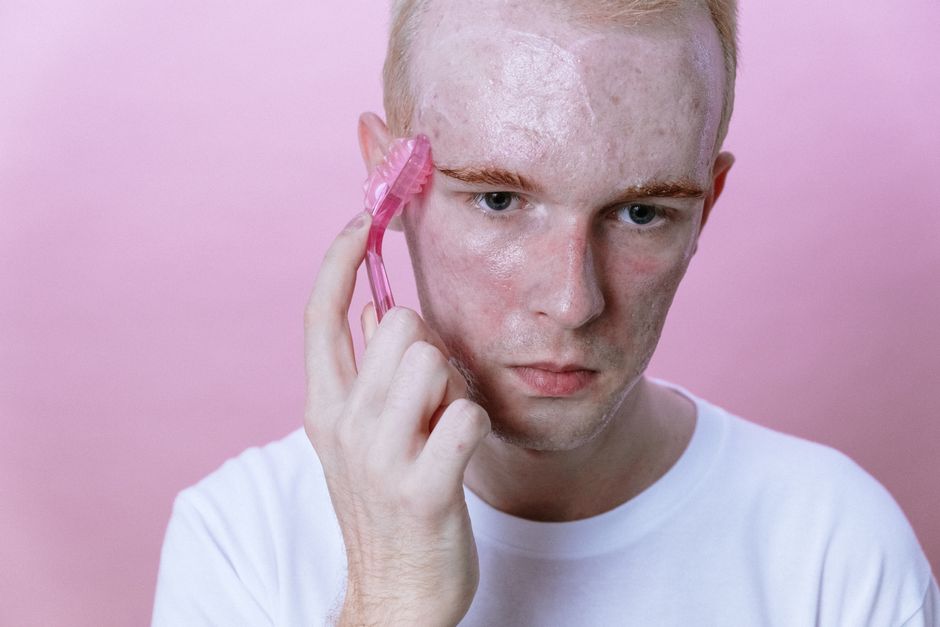
Facials can help acne-prone skin, but only a few types have real evidence behind them. The ones that work are treatments a dermatologist or trained esthetician performs with proven methods — gentle extractions, certain chemical exfoliants, and professional light therapy. The ones that don’t work, or that make acne worse, are the aggressive “deep clean” facials that scrub, steam, and squeeze skin into a breakout.
If you have acne, the single most important fact is this: a facial is a supporting treatment, not a cure. It can calm inflammation and clear clogged pores for a while. It does not change the underlying process that causes acne, which is why results fade within weeks and why medical treatment is often the real answer.
What Actually Causes Acne (And Why It Matters For Facials)
Acne starts in the hair follicle, the tiny canal that holds a hair and a sebaceous gland. Three things happen together: the gland produces more oil, dead skin cells shed abnormally and stick together, and the bacterium Cutibacterium acnes multiplies in the blocked pore. The immune system then responds with redness, swelling, and pus.
That sequence explains why facials have limits. A facial works on the surface and the upper layers of skin. It can remove dead cells, soften a clogged pore, and reduce surface bacteria. It cannot reliably change how much oil your glands produce or how your follicles behave. Those are driven by hormones and genetics.
This is also why acne is not a hygiene problem. People with acne are not dirty, and scrubbing harder does not help. In fact, harsh scrubbing damages the skin barrier and can make inflammation worse. Understanding this separates facials that help from facials that harm.
Which Facials Actually Work For Acne Prone Skin?
The facials with the best support are those built around proven ingredients and gentle technique. A trained provider matters as much as the treatment itself.
Chemical exfoliation facials. These use acids to loosen dead skin cells and unclog pores. Salicylic acid is the best studied for acne because it is oil-soluble and can penetrate into the pore. Glycolic and lactic acid are also used. A professional treatment uses stronger concentrations than at-home products, which is part of why results can be faster. The trade-off is more irritation risk.
Gentle extractions. When a trained provider removes blackheads and soft closed comedones with sterile tools and light pressure, it can clear pores that products cannot reach. The word “gentle” is doing real work here. Forceful squeezing pushes inflammation deeper and can cause scarring and dark marks.
Professional light therapy. Blue light and red light devices are used in some clinics. Blue light targets acne bacteria; red light is used for inflammation. Evidence for these is moderate and results are usually modest. They tend to work better as an add-on than as a standalone treatment.
Hydrating and calming facials. For people using prescription acne treatments, skin is often dry and irritated. A gentle hydrating facial without exfoliation can support the skin barrier. This does not treat acne directly, but it can make prescription treatment easier to tolerate.
Which Facials Don’t Work Or Can Make Acne Worse
Several popular facials are either unproven or actively risky for acne-prone skin.
- Steam-heavy “deep cleaning” facials. Steam feels good but does not clear acne. Heat and humidity can increase oil production and swelling in some people.
- Aggressive extraction facials. Picking and squeezing at a spa is one of the most common ways people turn mild acne into scarring.
- Heavy massage with oily products. Rich oils and creams can clog pores. Coconut oil, in particular, is comedogenic for many people.
- Facial “detox” treatments. The skin does not detox. This is a marketing term with no clinical meaning.
- At-home extraction tools and suction devices. These are widely sold and poorly studied. They often cause bruising and broken capillaries.
One non-obvious point: a facial that leaves your skin red, tight, and stinging for days is not “working.” That is a sign of barrier damage, and it can trigger a new breakout. Calm skin after a treatment is a better sign than dramatic peeling.





How Often Should You Get A Facial For Acne?
There is no single evidence-based schedule for acne facials. Clinical practice varies, and no large trials have established an ideal frequency. Many providers suggest spacing treatments several weeks apart so skin can recover between sessions. More frequent is not better, and over-treating is a common cause of irritation.
What matters more than frequency is what happens between facials. Daily use of proven acne ingredients — such as salicylic acid, benzoyl peroxide, or a prescription retinoid — does more for most people than any single spa visit. A facial can reset the surface, but daily care is what keeps it clear.
If your acne is moderate to severe, or if it is leaving scars or dark marks, facials are not the right first step. See a dermatologist. Prescription treatments, including topical retinoids and, for some people, oral medications, have far stronger evidence for clearing acne and preventing scarring.
What To Look For In A Provider
The person performing the facial matters as much as the treatment. Estheticians are trained in skin care but are not physicians and cannot prescribe medication. Dermatologists are medical doctors who can diagnose acne and prescribe treatment.
Before booking, ask what products and methods will be used. A provider who listens when you say your skin is sensitive, and who avoids forceful extraction, is a better fit than one who promises a dramatic overnight result. Overnight results are not how acne works.
Also tell your provider about any prescription acne treatment you use. Retinoids and other actives make skin more sensitive, and combining them with a strong professional exfoliation can cause a serious irritation reaction. This is a real risk, not a minor one.
Do Facials Cure Acne?
No. Facials do not cure acne. They can improve the look of skin temporarily by clearing surface debris and calming inflammation, but they do not address the hormonal and genetic drivers of the condition. Anyone promising a permanent cure from facials is not being honest with you.
Acne is often a long-term condition. It can improve with age, but for many people it requires ongoing management rather than a one-time fix. The most reliable approach combines daily evidence-based skin care, professional treatment when needed, and medical care for moderate to severe cases.
Think of a facial as one tool in a larger plan. Used gently and with realistic expectations, it can help. Used as a substitute for real acne treatment, it will disappoint — and it can sometimes make things worse.
Frequently Asked Questions
Do facials help acne?
Some facials help by clearing dead skin and calming inflammation, but they do not cure acne or change its underlying causes. Results are temporary and fade within weeks.
What is the best facial for acne-prone skin?
Facials built around salicylic acid or other chemical exfoliants, gentle professional extractions, and light therapy have the most support. Aggressive deep-cleaning facials are more likely to cause harm.
Can a facial make acne worse?
Yes. Forceful extractions, harsh scrubbing, heavy oily products, and over-treatment can damage the skin barrier and trigger new breakouts or scarring.
How often should I get a facial if I have acne?
No clinical trials have established an ideal schedule, and practice varies. Many providers space treatments several weeks apart to let skin recover between sessions.
