
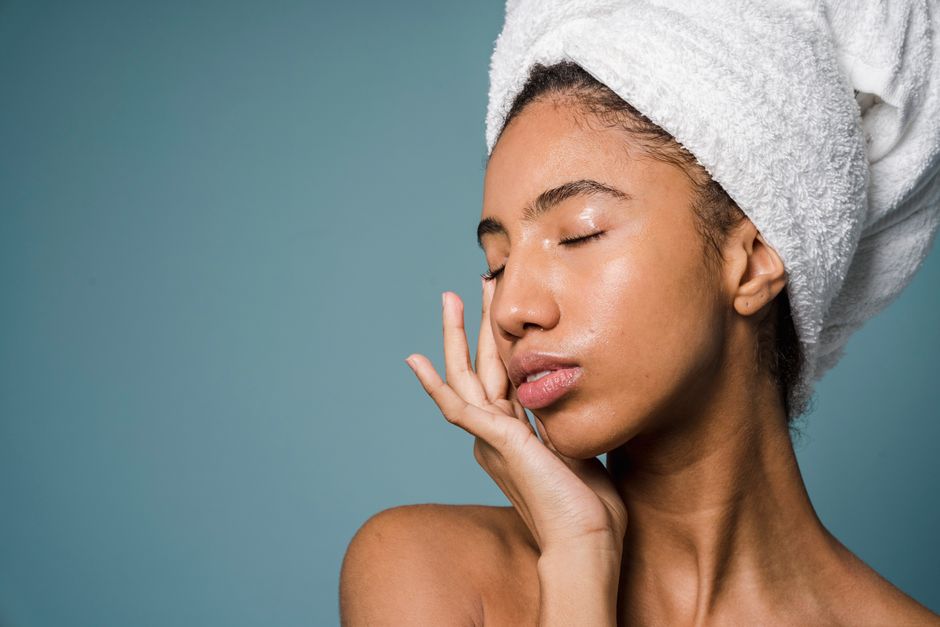
Dark spots left behind after acne are not scars. They are marks called post-inflammatory hyperpigmentation (PIH). They happen when skin makes too much melanin after inflammation. The good news is these spots almost always fade. The bad news is it takes time. What helps with dark spots from acne treatments that work is a consistent routine that includes a few proven ingredients. Sunscreen is the most important piece. Without it, nothing else works well. Ingredients like vitamin C, niacinamide, azelaic acid, and retinoids have the best evidence. Procedures like chemical peels and laser treatments can help too. The key is patience. Most treatments take 8 to 12 weeks to show real change.
What Causes Dark Spots After Acne?
When you have a pimple, your skin sends immune cells to fight bacteria. This process creates inflammation. In some people, the inflammation triggers melanocytes — the cells that make pigment — to go into overdrive. The result is a flat, darkened patch of skin where the pimple used to be.
This is not scarring. True acne scars are raised or indented. Dark spots are surface-level pigment changes. They are much easier to treat. People with darker skin tones tend to get more hyperpigmentation. This is because their melanocytes are more active by nature. That does not mean lighter skin is immune. Anyone can get PIH after a bad breakout.
Picking at pimples makes it worse. Every squeeze or scratch adds more inflammation. More inflammation means more pigment. It is the single worst thing you can do for dark spots. Current research suggests that the intensity of the original inflammation directly predicts how dark and long-lasting the spot will be.
What Helps With Dark Spots From Acne Treatments That Work — The Top Ingredients
The most effective approach is combining ingredients that slow pigment production, speed up skin turnover, and protect from UV light. No single ingredient does all three well. A layered routine works best.
Vitamin C (L-ascorbic acid) is one of the best-studied brightening agents. It stops an enzyme called tyrosinase from making melanin. It also acts as an antioxidant. Apply it in the morning under sunscreen. Look for serums with 10 to 20 percent concentration. Lower strengths are less effective. Higher strengths can irritate.
Niacinamide (vitamin B3) blocks pigment transfer from melanocytes to skin cells. It does not stop melanin production itself. It stops the pigment from reaching the surface where you can see it. Studies show 4 to 5 percent niacinamide reduces hyperpigmentation noticeably in 8 to 12 weeks. It is gentle and pairs well with almost everything.
Azelaic acid is a direct tyrosinase inhibitor. It is also anti-inflammatory and kills acne bacteria. This makes it a two-for-one for people who still get breakouts. Prescription strength is 15 to 20 percent. Over-the-counter versions are usually 10 percent. It is safe for all skin tones and is actually preferred for darker skin because it rarely causes further discoloration.
Retinoids (retinol, tretinoin, adapalene) speed up cell turnover. They push pigmented cells out faster so new, even-toned cells replace them. Tretinoin is prescription-only and works fastest. Adapalene is available over the counter at 0.1 percent. Retinol is weaker but still effective with consistent use. Retinoids can cause irritation initially. Start slow — every third night — and build up.
What Does the Research Say About Sunscreen for Dark Spots?
This is not a suggestion. It is a requirement. UV light activates melanocytes directly. If you are using any brightening ingredient but skipping sunscreen, you are working against yourself. The treatment slows pigment production. Sun exposure speeds it back up. You cannot win that race.
Research shows that broad-spectrum sunscreen with SPF 30 or higher significantly improves the speed of fading. One study found that using sunscreen alongside a brightening cream led to 50 percent more improvement than the cream alone. Sunscreen also prevents new spots from forming. That matters because many people get repeat breakouts in the same areas.
Physical blockers like zinc oxide and titanium dioxide are often better for sensitive skin. They sit on top and reflect light. Chemical sunscreens absorb UV and convert it to heat. That heat can sometimes worsen pigmentation in darker skin tones. As of 2026, mineral sunscreens are the safer bet for anyone prone to hyperpigmentation.





Professional Treatments for Stubborn Spots
Some dark spots do not budge with creams alone. This is especially true for spots that have been present for more than a year. Professional treatments can help when topicals are not enough.
Chemical peels use acids like glycolic, lactic, or salicylic acid to remove the top layers of skin. A light peel every 3 to 4 weeks can fade spots gradually. Deeper peels work faster but carry more risk, especially for darker skin. Always see a dermatologist for peels. At-home peels are much weaker and rarely produce meaningful results.
Laser and light therapies target pigment directly. The most common options are:
- Intense pulsed light (IPL) — works well for light skin but can worsen pigmentation in darker skin
- Fractional lasers — create tiny injuries that trigger collagen and cell turnover
- Picosecond lasers — deliver energy in trillionths of a second to shatter pigment without heat
Evidence indicates that picosecond lasers cause less damage to surrounding skin than older lasers. They are becoming the preferred option for darker skin tones. Cost is a barrier. A single session can run 300 to 600 dollars. Most people need 3 to 5 sessions.
Microneedling is sometimes used for pigmentation, but the evidence is weaker. It works better for true scars than for flat dark spots. Some dermatologists combine it with topical brightening serums during the procedure to push ingredients deeper into the skin.
Comparison of Common Dark Spot Treatments
| Treatment | How It Works | Time to See Results | Best For |
|---|---|---|---|
| Vitamin C serum | Blocks melanin production | 8-12 weeks | Mild to moderate spots |
| Niacinamide | Blocks pigment transfer | 8-12 weeks | All skin tones, gentle |
| Azelaic acid | Inhibits tyrosinase, reduces inflammation | 8-12 weeks | Active acne + spots, darker skin |
| Retinoids | Speeds cell turnover | 12-24 weeks | Stubborn spots, aging skin |
| Chemical peels | Removes pigmented surface layers | 4-8 weeks per session | Multiple spots, even tone |
| Picosecond laser | Shatters pigment particles | 2-4 weeks per session | Deep or persistent spots |
Common Misconceptions About Dark Spot Treatments
A lot of what you read online is wrong. Here are a few myths that keep people from getting real results.
Myth: Lemon juice lightens dark spots. Lemon juice is acidic enough to irritate skin. It can cause chemical burns and make pigmentation worse. There is no clinical evidence it works. Avoid it.
Myth: Dark spots fade on their own quickly. Some do. Most take months. Without treatment, a dark spot can last 6 to 12 months. With consistent treatment, that drops to 8 to 16 weeks. The idea that spots vanish in a week is marketing, not reality.
Myth: More ingredients are better. Layering five brightening serums at once is a recipe for irritation. Irritation causes more inflammation. More inflammation causes more pigment. Stick to one or two active ingredients at a time. Let your skin adjust before adding more.
Myth: Hydroquinone is the only thing that works. Hydroquinone is effective and has strong evidence behind it. But it is not the only option. It also carries risks with long-term use, including ochronosis — a bluish-darkening of the skin. Many people get excellent results with the gentler ingredients listed above. Hydroquinone should only be used under a doctor’s supervision and for limited periods.
Frequently Asked Questions
How long does it take for dark spots to fade with treatment?
Most people see noticeable fading in 8 to 12 weeks with consistent use of effective ingredients. Deeper or older spots can take 4 to 6 months.
Can I use vitamin C and retinol together for dark spots?
Yes but not at the same time. Use vitamin C in the morning and retinol at night. Using them together can cause irritation without added benefit.
Do dark spots come back after treatment stops?
They can if you stop using sunscreen. UV exposure reactivates melanocytes. Continued sunscreen use is the best way to prevent return.
Is glycolic acid good for dark spots from acne?
Yes. Glycolic acid exfoliates the top layer of skin and helps fade surface-level pigment. Start with a low concentration like 5 percent to avoid irritation.
