
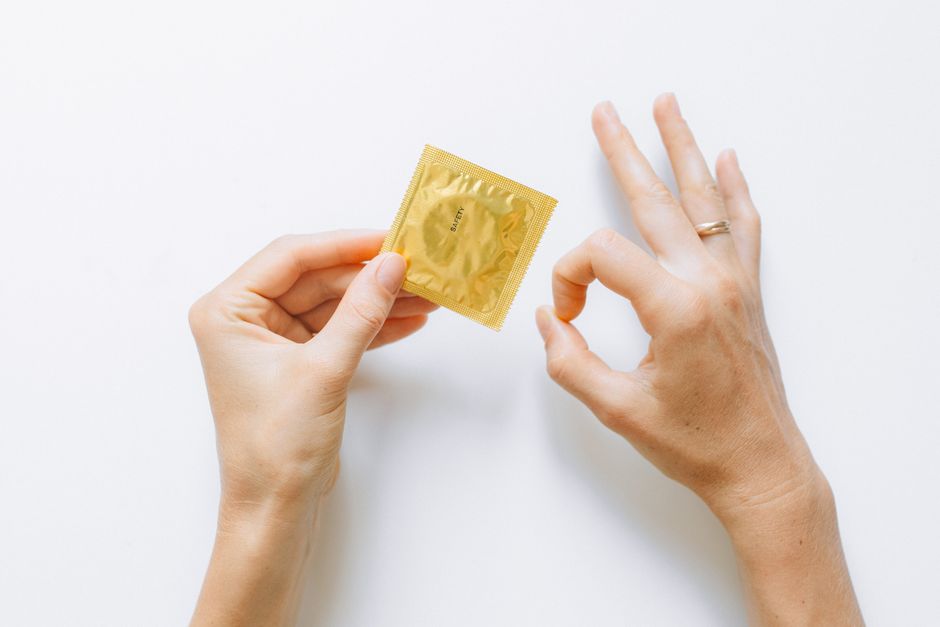
If you are choosing birth control partly to clear up acne, the short answer is this: combined hormonal contraceptives — the pill, the patch, and the vaginal ring that contain both an estrogen and a progestin — are the only birth control methods with good evidence for improving acne. Progestin-only methods are a mixed bag. Some help, some do nothing, and a few can make acne worse. The specific type of progestin matters as much as the method itself.
Why Do Hormones Cause Acne in the First Place?
Acne is not just a skin problem. It is a hormone-driven process that plays out inside the oil glands.
Androgens — hormones like testosterone that everyone produces, though in different amounts — stimulate the sebaceous glands in your skin to produce more oil, called sebum. More sebum, combined with dead skin cells, can plug a hair follicle. That plug becomes a comfortable home for Cutibacterium acnes, a bacterium that normally lives on skin. The immune system responds, and you get the redness, swelling, and pus that define inflammatory acne.
This is why acne often shows up or worsens during puberty, around menstrual periods, and in conditions where androgen levels are high. It also explains why blocking androgen signaling — which is what certain contraceptives do — can reduce acne rather than just cover it up.
One clarification that gets lost in a lot of online advice: acne is not caused by “bad hygiene” or by eating a specific food in most people. Those factors can play a role at the margins, but the core driver for most acne is hormonal and genetic.
Which Birth Control Actually Helps With Acne?
Combined oral contraceptives are the most studied option, and the evidence for them is stronger than for any other birth control method.
Combined pills contain an estrogen (almost always ethinyl estradiol) and a progestin. The estrogen raises levels of a protein called sex hormone-binding globulin, which binds testosterone and lowers the amount of free, active testosterone circulating in the blood. Less free testosterone means less stimulation of the oil glands. The progestin also matters — some progestins have anti-androgenic properties, meaning they block androgen receptors or reduce androgen production.
Three combined oral contraceptives have been specifically approved by the FDA for the treatment of acne:
- Norgestimate with ethinyl estradiol
- Norethindrone acetate with ethinyl estradiol
- Drospirenone with ethinyl estradiol
FDA approval for acne is a meaningful signal. It means the manufacturer submitted clinical trial data showing the product reduced acne lesion counts compared with placebo. That is a higher bar than simply being “thought to help.”
Other combined pills may also help acne even without that specific approval, particularly those containing progestins with anti-androgenic activity like drospirenone or cyproterone acetate (available in some countries but not the US). The evidence is strongest for the approved products and for the general principle that combined methods reduce free androgens.
The patch and the vaginal ring also contain an estrogen and a progestin and work through the same basic mechanism. They are not FDA-approved specifically for acne, but the hormonal effect is similar. If you are choosing between a pill, patch, or ring for acne purposes, the progestin type in the product matters more than the delivery method.
What About Progestin-Only Birth Control?
This is where the picture gets complicated, and where a lot of misinformation circulates.
Progestin-only methods include the mini-pill, the implant, the hormonal IUD, and the injectable shot (depot medroxyprogesterone acetate, or DMPA). They do not contain estrogen, so they do not raise sex hormone-binding globulin the way combined methods do. Their effect on acne depends almost entirely on the specific progestin and its androgenicity.
Some progestins are androgenic — they can activate androgen receptors and potentially worsen acne. Others are anti-androgenic or neutral. Levonorgestrel, used in many IUDs and some pills, is considered somewhat androgenic. Drospirenone is anti-androgenic. The mini-pill containing norethindrone is generally considered mildly androgenic.
DMPA (the shot) has been associated with worsening acne in some users. This is not universal, but it is a recognized possibility and worth discussing with a clinician if acne is a concern for you.
The hormonal IUD releases levonorgestrel mostly locally in the uterus, so blood levels are lower than with systemic methods. Many users report no change in acne, but some report worsening. The evidence here is mixed and individual responses vary.
The copper IUD contains no hormones at all. It has no effect on acne either way.


How Long Does It Take to See Results?
Acne improvement from hormonal birth control is not immediate. Clinical trials of combined oral contraceptives for acne typically show measurable improvement after two to three months, with continued improvement over six months.
This timeline reflects the biology. Hormonal changes take time to affect sebum production, and existing acne lesions need to resolve. If you start a combined pill for acne, giving it at least three months before judging whether it is working is reasonable. Some people see results sooner; some take longer.
If acne is worse after three months rather than better, that is useful information. It may mean the specific progestin in your method does not agree with your skin, and a different formulation might work better.
What If Birth Control Alone Is Not Enough?
Hormonal birth control can reduce acne, but it is not a cure for everyone. Moderate to severe acne often needs additional treatment.
Established options that can be used alongside hormonal birth control include topical retinoids, benzoyl peroxide, and topical or oral antibiotics. For severe or scarring acne, isotretinoin is the most effective treatment available, though it requires careful monitoring and is not compatible with pregnancy.
Spironolactone is another option. It is an anti-androgen that blocks androgen receptors and is used off-label for acne in women. It is not a contraceptive — it can cause birth defects, so effective contraception is required if you take it and could become pregnant. Some clinicians combine spironolactone with combined oral contraceptives for stubborn hormonal acne.
If your acne is severe, painful, or leaving scars, a dermatologist can help you build a treatment plan that addresses both the hormonal component and the skin itself.
Who Should Not Use Combined Hormonal Birth Control?
Combined methods are not safe for everyone. Estrogen-containing contraceptives increase the risk of blood clots, and certain conditions make that risk unacceptable.
Combined hormonal contraceptives are generally not recommended for people who:
- Have a history of blood clots, stroke, or heart attack
- Have certain types of migraine with aura
- Smoke and are over 35
- Have uncontrolled high blood pressure
- Have certain liver diseases
- Have a history of breast cancer
- Are breastfeeding in the first weeks after delivery
This is not a complete list. A clinician needs to review your personal and family history before prescribing any hormonal method.
If combined methods are not an option for you, progestin-only methods or non-hormonal methods may still be appropriate. The acne benefit may be smaller or absent, but other treatments can address the skin separately.
Does the Type of Progestin Really Matter?
Yes, and this is one of the most practical things to understand when choosing a method.
Progestins are not interchangeable. They differ in whether they activate androgen receptors, block them, or do neither. The three FDA-approved acne contraceptives all contain progestins with low androgenicity or anti-androgenic activity. That is not a coincidence.
If you are already on a combined pill and your acne is not improving — or is worse — the progestin may be the reason. Switching to a formulation with norgestimate, norethindrone acetate, or drospirenone is a reasonable conversation to have with your clinician.
This is also why “the pill” is not a single thing. There are dozens of formulations, and they do not all behave the same way on skin.
Frequently Asked Questions
Which birth control pill is best for acne?
The three combined oral contraceptives FDA-approved for acne contain norgestimate, norethindrone acetate, or drospirenone. These have the strongest evidence for reducing acne among birth control options.
Can the implant or IUD make acne worse?
Progestin-only methods like the implant and hormonal IUD can worsen acne in some users because some progestins have androgenic effects. Responses vary, and the evidence is mixed.
How long until birth control clears up acne?
Clinical trials typically show improvement after two to three months, with continued improvement over six months. If acne worsens after three months, a different formulation may work better.
Is the copper IUD a good choice if I have acne?
The copper IUD contains no hormones and has no effect on acne either way. It will not help or hurt your skin, but it also will not treat the hormonal driver of acne.
