
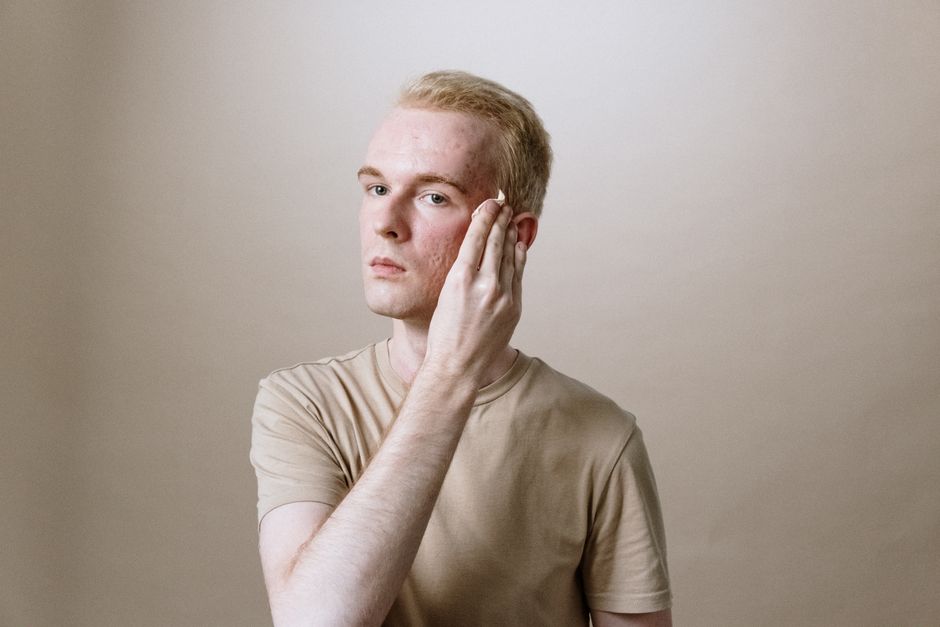
Acne marks fade, but not on their own timeline. Some treatments speed things up noticeably. Others do almost nothing. The difference comes down to knowing what type of mark you have and picking an approach backed by real evidence. Red or brown spots respond to different things than true scars. This article walks through what research actually supports.
What Causes Acne Marks in the First Place?
Acne marks are not all the same. This is the first thing to understand. Red or purple spots after a pimple heals are called post-inflammatory erythema (PIE). They happen because blood vessels in the area stayed dilated after the inflammation went away. Brown or dark spots are post-inflammatory hyperpigmentation (PIH). Melanin overproduced in response to the inflammation causes those.
Neither PIE nor PIH is a true scar. Scarring means the skin texture changed permanently. Marks are flat. They sit on top of the skin. The American Academy of Dermatology explains that PIH is more common in people with darker skin tones. PIE shows up more in lighter skin. Both can last weeks to months. Sometimes longer.
Knowing which one you have matters because treatments differ. Something that fades brown spots well may do nothing for red spots. And some treatments for scarring are too aggressive for marks and can make things worse.
How To Fade Acne Marks Treatments That Really Work: The Evidence
The treatments that work best depend on the type of mark. For brown spots (PIH), ingredients that block melanin production have the strongest evidence. Studies published in the Journal of the American Academy of Dermatology show that hydroquinone is effective but comes with risks if used long term. Safer alternatives include azelaic acid, kojic acid, and vitamin C.
For red spots (PIE), the approach is different. Calming the blood vessels and reducing lingering inflammation helps more than melanin blockers. Niacinamide, centella asiatica, and green tea extracts have some evidence behind them. Laser treatments like pulsed dye laser specifically target blood vessels and can clear PIE faster than topical creams.
Retinoids like tretinoin work for both types by speeding up skin cell turnover. They push pigment out faster and help rebuild collagen. But they require patience. Results take three to six months. And they can cause irritation that makes redness worse at first.
Does Sunscreen Actually Matter for Fading Marks?
Yes. This is not a suggestion. It is a requirement. Research is clear that UV exposure darkens existing marks and slows healing. A study in the British Journal of Dermatology found that consistent sunscreen use significantly improved how fast PIH faded compared to no sunscreen.
Use a broad-spectrum sunscreen with at least SPF 30. SPF 50 is better if you spend time outdoors. Reapply every two hours. Mineral sunscreens with zinc oxide or titanium dioxide may work better for sensitive skin than chemical ones. Many people skip sunscreen on cloudy days or indoors near windows. UV rays still reach you through glass. Marks take longer to fade when you skip protection.
This is one area where the evidence is not debated. Sunscreen is not optional in a fading routine. It is the foundation everything else sits on.




Comparing Popular Treatments: What the Research Says
Not every treatment that goes viral online has real science behind it. Here is a straightforward comparison of common options based on what studies actually show.
| Treatment | Best For | Evidence Level | Typical Timeline |
|---|---|---|---|
| Azelaic Acid (15-20%) | PIH, mild acne | Strong. Multiple clinical trials support it. | 8-12 weeks |
| Vitamin C (L-ascorbic acid) | PIH, general brightness | Moderate. Works well combined with other ingredients. | 12-16 weeks |
| Niacinamide (4-5%) | PIE, PIH | Moderate. Good for sensitive skin. | 8-12 weeks |
| Hydroquinone (2-4%) | Stubborn PIH | Strong but caution needed for long-term use. | 4-8 weeks |
| Pulsed Dye Laser | PIE (red marks) | Strong. Directly targets blood vessels. | 1-3 sessions |
| Chemical Peels (light) | PIH | Moderate. Requires multiple sessions. | 4-8 weeks per session |
| Microneedling | True scars, not flat marks | Weak for marks. Better for atrophic scars. | 3-6 sessions |
Notice something. Microneedling gets a lot of hype for fading marks. But the evidence for flat marks specifically is thin. It works better for depressed scars where the skin texture is actually changed. Using it on flat marks may not hurt but you might get faster results from simpler topical options.
What to Avoid When Trying to Fade Acne Marks
Some common recommendations do more harm than good. Lemon juice is one. It is acidic enough to irritate skin and can make hyperpigmentation worse by causing more inflammation. There is no clinical evidence it fades marks. The same applies to toothpaste, baking soda, and raw garlic. These are kitchen ingredients not treatments.
Over-exfoliating is another mistake. Using strong acids every day or scrubbing aggressively damages the skin barrier. A damaged barrier takes longer to heal and marks may darken instead of fade. Stick to one exfoliating ingredient at a time. Do not layer multiple acids unless a dermatologist advises it.
Picking at pimples is the fastest way to create a mark that lasts months. The inflammation from picking is often worse than the original pimple. When you break the skin, melanin production goes into overdrive. Healing time doubles. Prevention is easier than treatment.
How Long Do Acne Marks Actually Take to Fade?
Realistic timelines matter. PIE usually fades within three to six months. PIH can take longer, sometimes up to a year. Treatment speeds this up but does not make it instant. If something promises to erase marks in a week, it is marketing not science.
The skin’s natural turnover cycle is about 28 days. That is how long it takes for new skin cells to reach the surface. Pigment sits deeper in the skin layers. It takes multiple cycles to push it out. Treatments that speed cell turnover can reduce that to eight to twelve weeks for noticeable improvement.
True scars do not fade on their own. They require professional treatments like laser resurfacing, microneedling, or subcision. Do not waste months on topical creams for a texture problem. If your marks are actually indentations in the skin, see a dermatologist for a proper assessment.
Common Misconceptions About Acne Mark Treatments
One widespread claim is that vitamin E oil fades scars and marks. The evidence does not support this. A study published in Dermatologic Surgery found that vitamin E did not improve the appearance of scars and actually caused contact dermatitis in some people. It is not harmful but it is not the fading solution many believe it to be.
Another myth is that darker skin tones cannot use certain treatments safely. This is partially true but oversimplified. People with darker skin are more prone to PIH and need to be careful with aggressive treatments. But ingredients like azelaic acid, niacinamide, and tranexamic acid are safe and effective across all skin types. The key is avoiding high concentrations of irritating ingredients without proper guidance.
Aloe vera is widely claimed to fade marks. Some people report improvement. However, strong clinical evidence is limited. It can soothe inflammation which may help PIE indirectly. But relying on aloe vera alone for significant fading will likely disappoint.
Frequently Asked Questions
Can acne marks go away without treatment?
Yes, but it can take months to over a year. PIE fades faster than PIH on its own. Treatment speeds the process significantly.
What is the fastest way to fade acne marks?
Combining a melanin-blocking ingredient like azelaic acid with consistent sunscreen use gives the fastest results for most people. Laser treatments can be faster for stubborn red marks.
Do acne scars ever fully go away?
True scars do not fully disappear without professional treatment. Topical products improve the appearance but cannot rebuild lost collagen in depressed scars.
Is vitamin C or niacinamide better for fading marks?
Both work well but differently. Vitamin C is stronger for brown spots. Niacinamide is gentler and works for both red and brown marks without irritation.
