
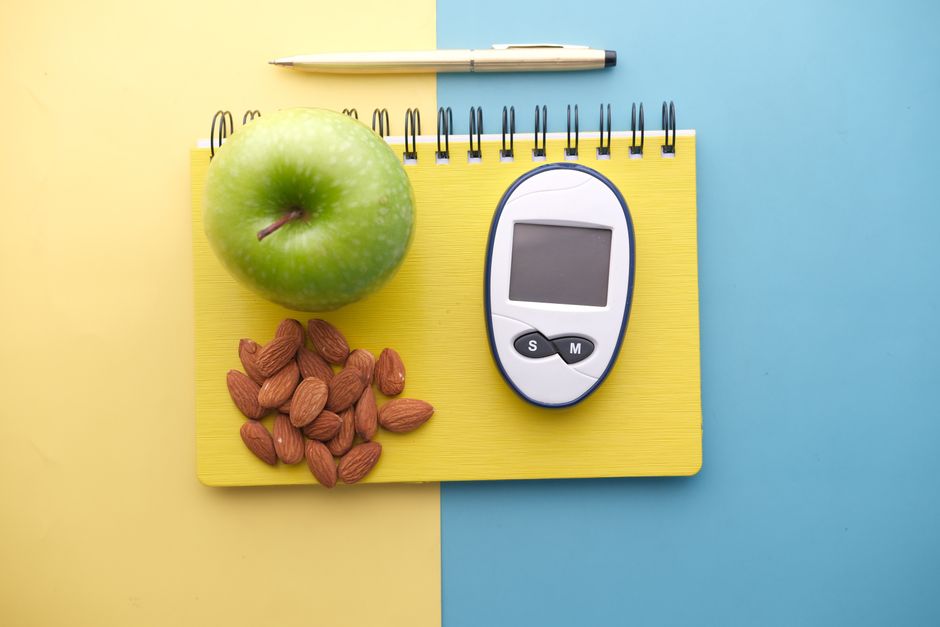
When your blood sugar spikes, you want it down fast. But “fast” and “safe” do not always mean the same thing. The quickest way to lower blood sugar is a short burst of physical activity, like a brisk 10-15 minute walk. If you cannot exercise, drinking water and taking your prescribed medication as directed are your next best options. For dangerously high levels, only medical treatment works — and that requires a call to your doctor or a trip to urgent care.
What Will Lower Blood Sugar Quickly And Safely?
The fastest safe option is movement. When your muscles contract, they pull glucose out of your bloodstream for energy — no insulin required. This effect starts within minutes and can last for hours after you stop moving.
A 10-15 minute brisk walk after a meal is the most studied approach. If walking is not possible, try seated leg lifts, arm curls with light weights, or marching in place. The goal is to use your large muscles, not to exhaust yourself.
Water also helps. Dehydration concentrates your blood, which makes glucose readings look higher. Drinking water helps your kidneys flush excess sugar out through urine. This is not a dramatic drop, but it supports your body’s natural correction.
If you take medication for diabetes, take it as prescribed. Do not double up. Do not take an extra dose to correct a high reading unless your doctor has specifically told you to.
How Fast Is “Fast” For Blood Sugar?
Exercise can lower blood sugar noticeably within 15-30 minutes. The effect depends on how high your sugar is, how long you exercise, and what type of exercise you do.
Insulin works faster. Rapid-acting insulin — the kind taken with meals — starts working in about 15 minutes and peaks within 1-2 hours. But insulin dosing is precise. Taking too much can cause hypoglycemia, which is a medical emergency. Never guess at an insulin dose.
Oral medications are not quick fixes. Most diabetes pills take weeks to build up in your system. They help with overall control, not with an immediate spike. If you are looking for something that works in minutes, exercise and water are your only safe non-medication options.
What Does Not Work — And What Is Dangerous
Several viral claims about lowering blood sugar are either useless or unsafe. Here is what to avoid:
- Cinnamon. Some small studies suggest cinnamon may slightly improve fasting blood sugar over weeks. No evidence shows it lowers a current spike quickly. It is not dangerous in food amounts, but it will not rescue a high reading.
- Apple cider vinegar. A few studies show vinegar before meals may blunt the post-meal rise. The effect is modest and it does nothing for an existing spike. Undiluted vinegar can damage your esophagus.
- Bitter melon or herbal supplements. No large human trials confirm these lower blood sugar quickly. Some supplements interact with diabetes medications and can cause dangerous drops.
- Vigorous exercise when your sugar is very high. If your blood sugar is above 240 mg/dL and you have ketones in your urine, exercise can make things worse. It can push your body into a state of more ketone production. Check for ketones if you have type 1 diabetes and your sugar is this high.
The honest position: no food, drink, or supplement has been proven to safely and rapidly lower blood sugar. Anyone claiming otherwise is selling something.



When High Blood Sugar Is An Emergency
Normal fasting blood sugar is between 70-99 mg/dL. After meals, it can rise to 140-180 mg/dL and still be considered acceptable for many people with diabetes. But there is a line where home management stops being appropriate.
Call your doctor or seek emergency care if you have blood sugar above 300 mg/dL along with any of these symptoms:
- Nausea or vomiting
- Fruity-smelling breath
- Rapid breathing or shortness of breath
- Confusion or difficulty concentrating
- Extreme thirst or frequent urination that will not stop
These can be signs of diabetic ketoacidosis (DKA) or hyperosmolar hyperglycemic state (HHS). Both are life-threatening conditions that require IV fluids and insulin in a hospital. No home remedy treats these.
If you have type 2 diabetes, DKA is less common but still possible. If you have type 1 diabetes, these symptoms require immediate medical attention — do not wait to see if they pass.
How To Prevent Spikes In The First Place
Prevention is more reliable than correction. The same tools that lower a spike quickly also prevent one when used consistently.
Walking for 10 minutes after each meal is one of the most effective habits for blood sugar control. Research consistently shows that post-meal walking reduces the glucose rise, especially after carbohydrate-heavy meals. The effect is strongest when you walk within 30-60 minutes after eating.
Meal composition matters too. Protein, fiber, and fat slow down carbohydrate absorption. A meal with chicken and vegetables will raise blood sugar less than the same amount of carbohydrates from white bread. This is not about avoiding carbs entirely — it is about pairing them with other foods.
Stress raises blood sugar. Cortisol signals your liver to release stored glucose. This is a normal survival response, but chronic stress means chronically elevated sugar. Deep breathing, adequate sleep, and regular movement all help keep stress hormones in check.
What If You Are Not Diabetic?
Non-diabetics can experience blood sugar spikes too, especially after large high-carbohydrate meals. The body usually corrects this on its own within a few hours. Exercise and water still help, but the urgency is lower.
If you are not diagnosed with diabetes but consistently see high readings — above 140 mg/dL two hours after meals — bring this to your doctor’s attention. This is where “prediabetes” is often detected. Catching it early gives you the best chance of preventing progression to type 2 diabetes.
Do not start taking diabetes medication on your own. Metformin and other diabetes drugs require a prescription for a reason. They have side effects and can cause dangerously low blood sugar when used without proper monitoring.
Monitoring: Know Your Numbers
If you are checking your blood sugar at home, consistency matters more than perfection. Check at the same times each day — typically fasting in the morning and 2 hours after meals. Keep a log. Bring it to your appointments.
Continuous glucose monitors (CGMs) give a more complete picture. They show you how specific foods and activities affect your sugar in real time. Many insurance plans now cover CGMs for people with diabetes. If you are prediabetic, some CGMs are available over the counter, but talk to your doctor about whether one is useful for your situation.
Finger-stick meters are accurate enough for daily management. If your meter gives a result that does not match how you feel, wash your hands and re-test. Food residue on fingers can skew readings.
The Bottom Line On Quick Blood Sugar Drops
Move your body. Drink water. Take your medication as prescribed. If your sugar is dangerously high, get medical help.
Anything advertised as a “natural” or “instant” blood sugar fix is not supported by clinical evidence. No supplement, tea, or food has been shown to rapidly and safely lower blood glucose. The body’s own mechanisms — muscle uptake of glucose and kidney filtration — are the fastest tools you have.
If you are unsure whether your blood sugar level requires medical attention, err on the side of calling your doctor. A phone call is free. An emergency room visit for untreated hyperglycemia is not.
Frequently Asked Questions
How long does it take for water to lower blood sugar?
Water does not directly lower blood sugar, but it helps your kidneys excrete excess glucose through urine over a few hours. It is a support measure, not a rapid fix.
Can walking lower blood sugar in 10 minutes?
Yes, a 10-15 minute brisk walk can noticeably lower blood sugar, with effects beginning within minutes. The drop may be modest, but it is real and it is safe.
Is it safe to exercise when blood sugar is high?
Exercise is generally safe below 240 mg/dL, but if your sugar is above that and you have ketones, exercise can worsen the situation. Check for ketones or call your doctor first.
What is a dangerously high blood sugar level?
Levels above 300 mg/dL are considered seriously high and require prompt medical attention, especially if you also have nausea, confusion, or fruity-smelling breath. Do not wait to see if symptoms improve.
