
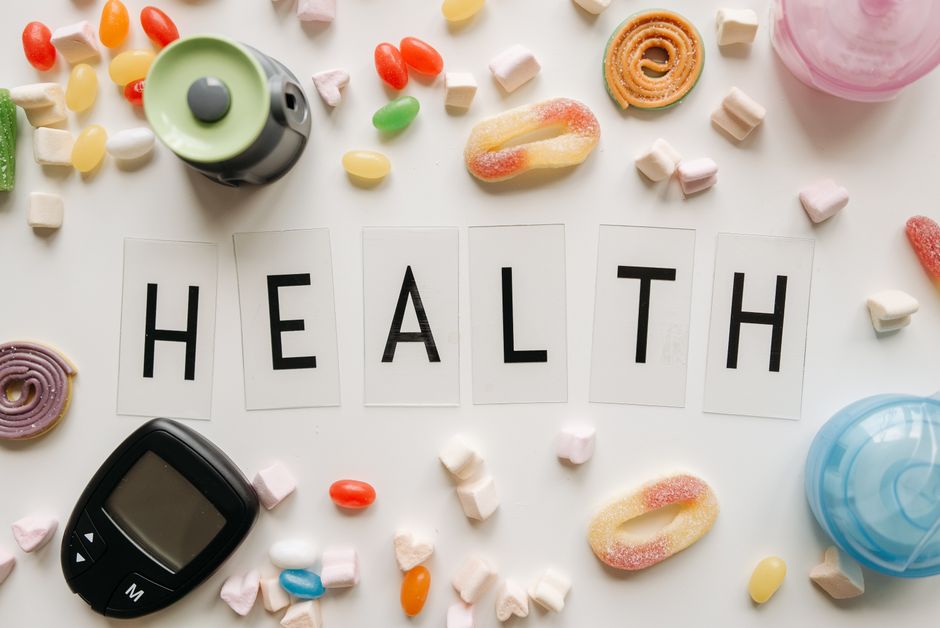
When your blood sugar spikes, you want it down fast. The quickest reliable ways are drinking water, moving your body, and taking your prescribed medication exactly as directed. For people with diabetes, these actions can start lowering glucose within 15 to 30 minutes, though the exact response varies from person to person.
Why Does Blood Sugar Spike?
Blood sugar rises when carbohydrates break down into glucose and enter your bloodstream. Insulin, a hormone from your pancreas, normally moves that glucose into your cells for energy. When insulin is missing, insufficient, or not working properly, glucose stays in the blood and levels climb.
Common triggers include large carb-heavy meals, missed diabetes medication, illness, stress, and certain steroids. Even a small amount of dehydration can concentrate glucose in your blood and push numbers higher.
Knowing what caused the spike matters. A high reading after a heavy meal responds differently than one caused by an infection or a missed insulin dose. Check your blood sugar frequently during a spike to see the trend, not just a single number.
How To Get Blood Sugar Down Quickly
Water is the fastest safe place to start. Dehydration makes blood sugar more concentrated, so drinking water helps your kidneys flush excess glucose through urine. Aim for a large glass of water right away, then continue sipping steadily. Sugar-free fluids only — juice and regular soda will make the problem worse.
Physical activity is the next most effective tool. Muscles use glucose for fuel without needing insulin. A brisk 10 to 15 minute walk after a meal can lower blood sugar measurably. If you cannot walk, try seated leg lifts, arm movements, or any activity that gets large muscles working.
Do not exercise if your blood sugar is above 240 mg/dL and you have ketones in your urine. This combination can mean your body is not getting enough insulin, and exercise may push blood sugar even higher. Check for ketones with a urine test strip before working out at very high levels.
For people on insulin, a correction dose is the most direct way to bring glucose down. This requires knowing your personal insulin sensitivity factor — how many points one unit of insulin drops your blood sugar. Your healthcare provider can help you calculate this. Never guess at a correction dose.
Does Insulin Work Faster Than Exercise?
Yes, rapid-acting insulin works faster than exercise when used correctly. Rapid-acting insulins begin working within 15 minutes and peak around one to two hours. Exercise also lowers glucose, but the effect depends on intensity, duration, and your current insulin levels.
Exercise has a catch. It can raise blood sugar temporarily if your levels are already very high because stress hormones released during activity signal your liver to release more glucose. This is why checking ketones before exercise matters.
Insulin is precise. Exercise is less predictable. For a severe spike above 300 mg/dL, insulin is the more reliable option for people who use it. For mild to moderate elevations, walking or water may be enough to bring numbers down gradually.


Foods That Help Lower Blood Sugar
No food lowers blood sugar directly. Some foods slow the rise, which keeps spikes from getting worse. This is an important distinction — you cannot eat your way down from a high reading.
Fiber slows digestion and glucose absorption. Vegetables, nuts, seeds, and legumes are all high in fiber. If you are spiking after a meal, adding a fiber-rich food to your next meal can flatten the curve.
Vinegar has some evidence behind it. Research published in the Journal of the American Dietetic Association found that vinegar taken before a high-carb meal reduced the post-meal blood sugar response. A tablespoon of vinegar in water before meals may help, but it is not a treatment for an existing spike.
Cinnamon gets a lot of attention, but the evidence is mixed. Some small studies show modest improvements in fasting blood sugar with cinnamon supplements. Others show no effect. The effect, if it exists, is small and develops over weeks — not minutes.
When To Seek Emergency Care
Very high blood sugar can become a medical emergency. Diabetic ketoacidosis (DKA) occurs when the body breaks down fat for fuel instead of glucose, producing acidic ketones. This condition requires hospital treatment and can be life-threatening.
Seek emergency care if you have high blood sugar along with:
- Difficulty breathing or deep, rapid breathing
- Fruity-smelling breath
- Severe nausea or vomiting
- Confusion or difficulty staying awake
- Extreme thirst with frequent urination
Hyperosmolar hyperglycemic state (HHS) is another emergency, more common in older adults with type 2 diabetes. It causes severe dehydration and can lead to seizures or coma. Blood sugar levels in HHS often exceed 600 mg/dL.
Do not wait at home trying to lower blood sugar when these symptoms are present. Call 911 or go to the nearest emergency room.
What Does Not Work To Lower Blood Sugar Fast
Several popular remedies have no evidence behind them. Apple cider vinegar pills, bitter melon supplements, and herbal teas will not bring down a current spike. They may have modest long-term effects in some people, but none act quickly enough to treat an acute high reading.
Stress reduction techniques like deep breathing are good for your overall health, but they do not lower blood sugar in the moment for most people. Stress hormones can raise glucose, so reducing stress may prevent future spikes rather than treat current ones.
Sleep is similar. One poor night of sleep can raise morning blood sugar, but you cannot nap your way down from an active spike.
Supplements marketed for blood sugar support are largely unregulated. Some interact with diabetes medications and cause dangerous drops. Tell your doctor about every supplement you take, including herbal products.
How To Prevent Blood Sugar Spikes
Prevention is more effective than treatment. Consistent meal timing, balanced plates, and regular medication use prevent most spikes before they start.
The plate method works well for many people. Fill half your plate with non-starchy vegetables, a quarter with lean protein, and a quarter with whole grains or starchy vegetables. This structure naturally limits carb portions and adds fiber.
Walking for 10 minutes after meals is one of the most studied habits for blood sugar control. Post-meal exercise uses the glucose your meal just provided, which reduces the peak. This works for both type 1 and type 2 diabetes.
Stay consistent with medication. The most common cause of unexplained high readings is a missed dose. Set alarms, use a pill organizer, or link medication to an existing habit like brushing your teeth.
Track patterns. If your blood sugar spikes at the same time every day, look back at what you ate, how you slept, and when you took medication. Patterns reveal causes. Causes point to solutions.
Frequently Asked Questions
How long does it take for blood sugar to come down?
Water and exercise can lower blood sugar within 15 to 30 minutes for many people. Rapid-acting insulin works in about 15 minutes, with peak effect at one to two hours.
Can drinking water lower blood sugar fast?
Yes, drinking water helps lower blood sugar by helping your kidneys flush excess glucose through urine. It works best for mild elevations and when dehydration is a factor.
Is it safe to exercise with high blood sugar?
Exercise is safe for mild to moderate spikes, but check for ketones first if your blood sugar is above 240 mg/dL. Exercising with ketones present can raise blood sugar further and increase risk of ketoacidosis.
What is a dangerous blood sugar level?
Blood sugar above 250 mg/dL is high and warrants monitoring. Levels above 600 mg/dL are considered dangerously high and require immediate medical attention, especially with symptoms like confusion, vomiting, or difficulty breathing.
