
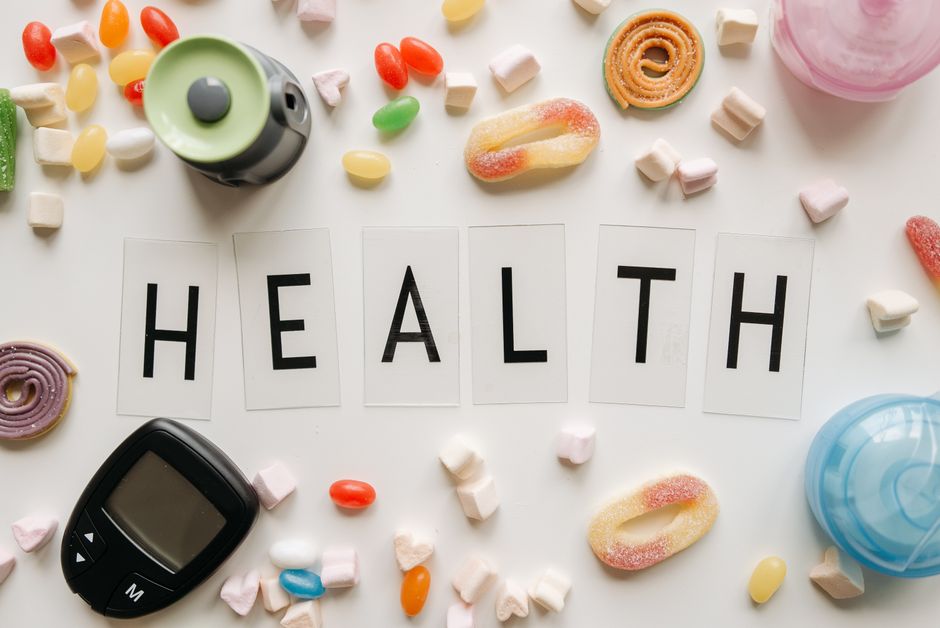
Low blood sugar feels awful. You might feel shaky, sweaty, confused, or suddenly very hungry. When your blood sugar drops too low, you need to act fast. The fastest way to bring it up is to eat or drink about 15 grams of fast-acting carbohydrates, wait 15 minutes, and check your blood sugar again. If it is still below your target range, repeat the process. This is called the 15-15 rule, and it is the standard first-aid response for mild low blood sugar.
What Counts as Low Blood Sugar?
Low blood sugar, also called hypoglycemia, is generally defined as a blood glucose level below 70 mg/dL. For most people with diabetes, this is the number that signals the need for treatment. However, symptoms can vary from person to person. Some people feel symptoms at 80 mg/dL, while others do not feel anything until their level drops much lower.
It is important to know your own target range. Your doctor may set a different threshold for you based on your health history, age, and other factors. If you are unsure what your target is, ask at your next appointment. In the meantime, if you feel symptoms of low blood sugar, treat them even if you cannot check your level right away.
How To Bring Up Blood Sugar Quickly And Safely
The fastest way to raise blood sugar is with simple carbohydrates. These are sugars that your body can absorb quickly into the bloodstream. The standard recommendation is 15 grams of fast-acting carbs. This amount is enough to raise blood sugar without sending it too high.
Good options for 15 grams of fast-acting carbohydrates include:
- 4 ounces (half a cup) of regular fruit juice or regular soda
- 1 tablespoon of sugar, honey, or corn syrup
- 3 to 4 glucose tablets
- 1 tube of glucose gel (check the label for the exact carb amount)
- 6 or 7 hard candies, such as jelly beans or gumdrops
After you eat or drink one of these, wait 15 minutes. Then check your blood sugar again. If it is still below 70 mg/dL, take another 15 grams of carbs. Repeat until your blood sugar is back in your target range.
Once your blood sugar is back to normal, eat a small snack with protein or complex carbs if your next meal is more than an hour away. This helps keep your blood sugar stable and prevents another drop.
Why Fast-Acting Carbs Work Best
Not all carbohydrates work the same way. Fast-acting carbs are simple sugars that do not need much digestion. Your body absorbs them quickly, which is exactly what you need when blood sugar is low.
Foods with fat, protein, or fiber slow down digestion. That means they take much longer to raise blood sugar. Chocolate, ice cream, and candy bars with nuts are not good choices for treating low blood sugar. The fat in these foods delays absorption, so your blood sugar stays low longer than it should.
This is a common mistake. People reach for a candy bar because it tastes sweet, but the fat and protein in it slow everything down. You end up waiting longer for your blood sugar to come up, and you may end up taking more carbs than you need.
Glucose tablets and gel are often considered the most reliable option. They contain pure glucose, which is the exact sugar your body uses for energy. They work predictably, and the dose is easy to measure. Many people keep them in their car, bag, or bedside table for emergencies.




What If You Cannot Swallow or Are Unconscious?
Severe low blood sugar is a medical emergency. If someone cannot swallow, is unconscious, or is having a seizure, do not give them anything by mouth. They could choke. Call emergency services immediately.
If the person has a glucagon emergency kit, use it. Glucagon is a hormone that raises blood sugar by telling the liver to release stored glucose. It comes as an injection or a nasal powder. Family members and caregivers should know how to use it before an emergency happens.
After glucagon is given, the person should be turned on their side and monitored until help arrives. Even if they wake up, they need medical evaluation. Severe hypoglycemia can cause lasting harm if not treated properly.
What To Eat After Your Blood Sugar Recovers
Treating low blood sugar is only the first step. Once your blood sugar is back above 70 mg/dL, you need to think about what happens next. If your next meal is more than an hour away, a small snack with protein or complex carbohydrates can help prevent another drop.
Good choices include:
- An apple with peanut butter
- A few whole-grain crackers with cheese
- Half a sandwich with turkey or egg salad
- A small handful of nuts and a piece of fruit
This snack is not the treatment. It is prevention. The fast-acting carbs already did the job of raising your blood sugar. The snack is there to keep it from falling again. Skipping this step is a common reason people see their blood sugar drop repeatedly throughout the day.
Why Does Low Blood Sugar Happen?
Low blood sugar most often affects people with diabetes who take insulin or certain oral medications. These medications lower blood sugar, and sometimes they lower it too much. Common triggers include skipping a meal, eating less than usual, exercising more than usual, or drinking alcohol without food.
People without diabetes can also experience low blood sugar, though it is less common. This is called non-diabetic hypoglycemia. It can happen after a large meal high in refined carbohydrates, which causes a rapid spike and then a crash in blood sugar. It can also be related to certain medical conditions, medications, or hormonal issues.
If you have repeated episodes of low blood sugar, talk to your doctor. You may need to adjust your medication, change your meal timing, or investigate an underlying cause. Repeated low blood sugar is not something to manage on your own. It is a sign that your current treatment plan needs review.
How To Prevent Low Blood Sugar
Prevention is always better than treatment. If you take insulin or other blood sugar-lowering medications, you should never skip meals. Eating regular meals and snacks keeps your blood sugar more stable throughout the day.
Check your blood sugar before exercise. Physical activity uses glucose, so your levels can drop during or after a workout. If you exercise, you may need a snack beforehand or an adjustment in your medication. Your doctor can help you figure out the right balance.
Alcohol can cause low blood sugar hours after you drink. This is especially true if you drink on an empty stomach. If you choose to drink, do so with food and check your blood sugar more frequently afterward.
Wear a medical ID bracelet if you take medication that can cause low blood sugar. This helps emergency responders know what is wrong if you cannot speak for yourself. It is a simple step that can make a big difference in an emergency.
When To Seek Emergency Care
Most low blood sugar episodes are mild and can be treated at home. But some situations require immediate medical help. Call emergency services if someone is unconscious, having a seizure, or cannot be woken up.
Also seek help if a person has taken glucagon and does not wake up within 15 minutes, or if their blood sugar stays dangerously low despite repeated treatment. Confusion, slurred speech, and extreme drowsiness are signs that the brain is not getting enough glucose. These are serious symptoms that should not be ignored.
If you have low blood sugar more than twice a week, tell your doctor. Frequent episodes mean your treatment plan is not working well enough. Adjustments to medication, diet, or both can often reduce how often this happens.
Frequently Asked Questions
How fast does juice raise blood sugar?
Regular fruit juice raises blood sugar within 10 to 15 minutes. That is why half a cup of juice is a standard treatment for mild low blood sugar.
Can I use chocolate to treat low blood sugar?
No, chocolate is not a good choice because its fat slows down sugar absorption. Use glucose tablets, juice, or regular soda instead for fastest results.
What if my blood sugar does not go up after 15 minutes?
Take another 15 grams of fast-acting carbs and wait 15 more minutes. If it still does not rise, seek medical help.
Should I eat protein with the fast-acting carbs?
No, protein slows digestion and delays the blood sugar rise. Eat protein only after your blood sugar is back to normal to help keep it stable.
